Can't find what
you're looking for?
Contact our support team and
we'll add it to our platform.
Explore tools for protein design, structure prediction, molecular docking, molecular dynamics, and drug discovery. Search the catalog or filter by category, input type, application, and tag.
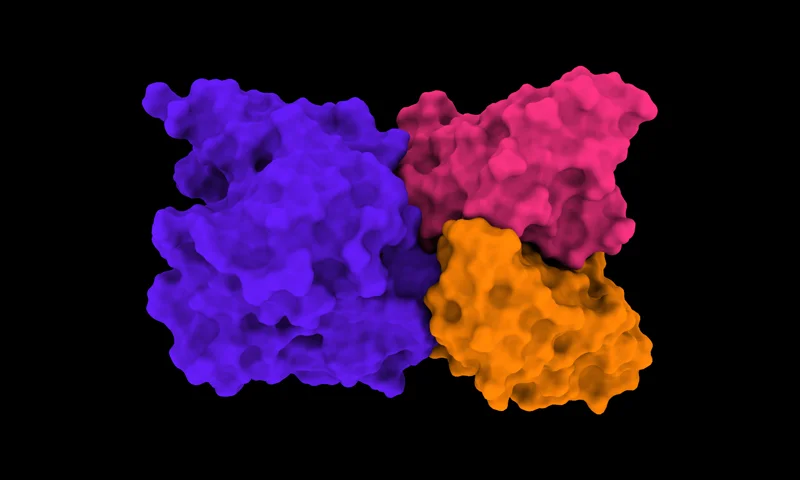
Design antibodies, nanobodies, scFvs, and peptides with high affinity and low immunogenicity.
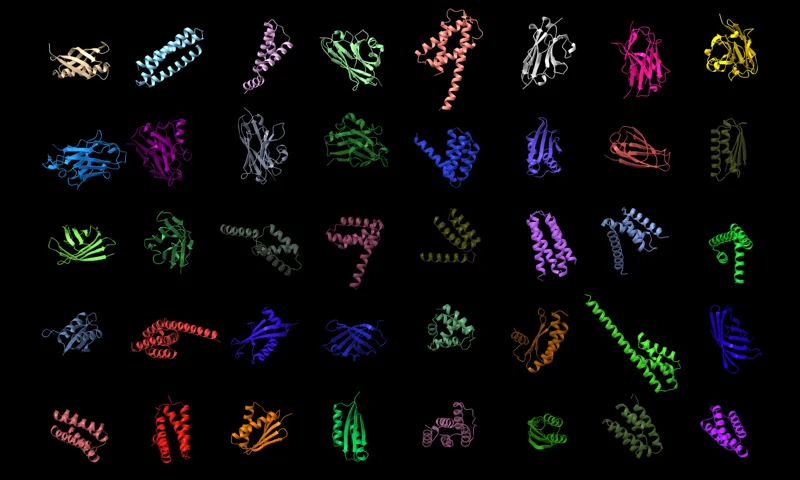
Fold and score many binder candidates with a unified, machine-readable output.
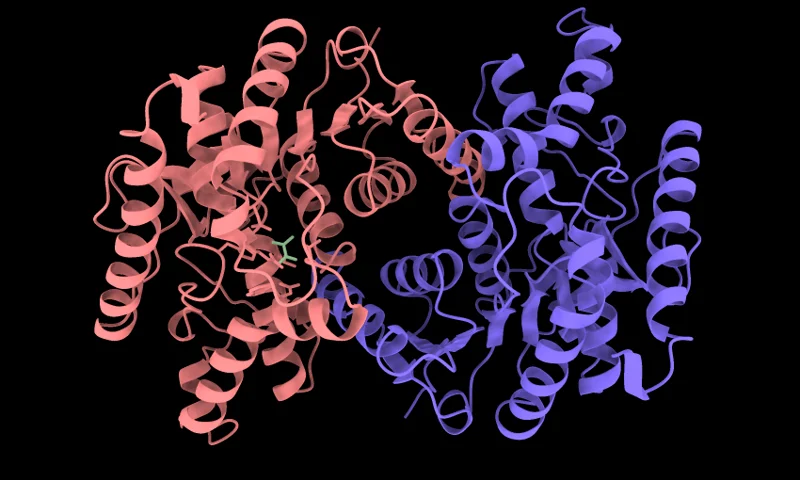
Design next-generation enzymes by co-optimizing for catalytic activity, stability, and solubility.
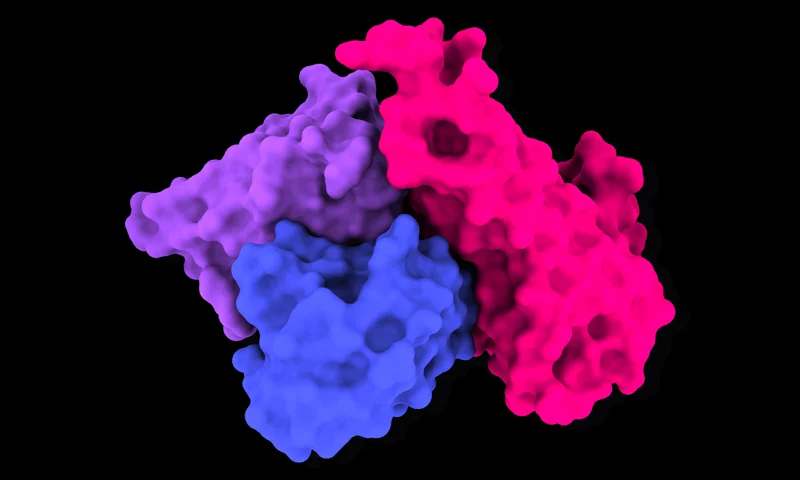
Open-source all-atom co-folding model for proteins, nucleic acids, ligands, and ions.
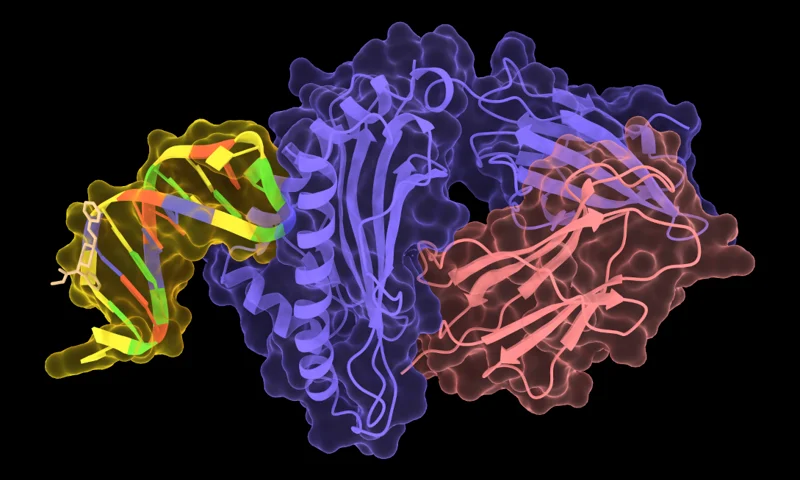
Commercial friendly alternative to AlphaFold3 with competitive MSA-less option.
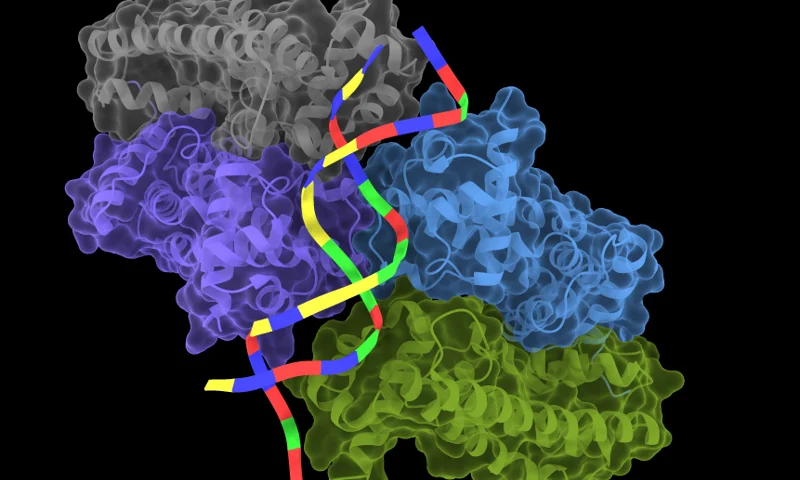
Open-source AlphaFold3-class model (Boltz-2) with built-in affinity prediction.
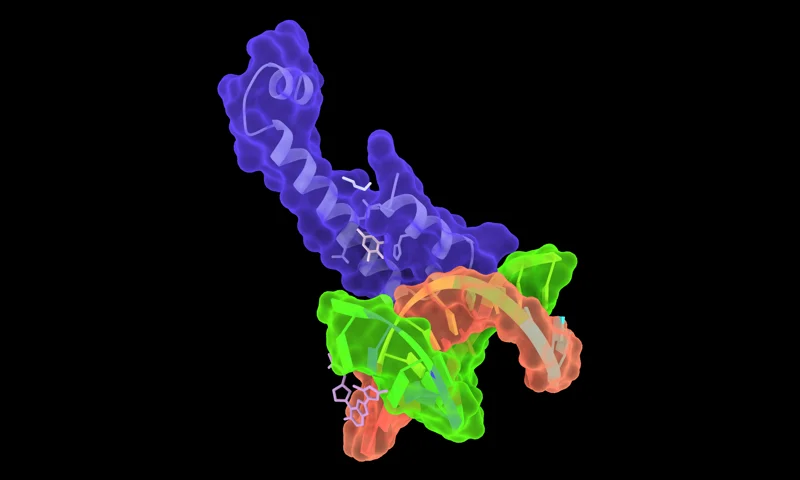
Another AlphaFold3 implementation developed by the ByteDance team.
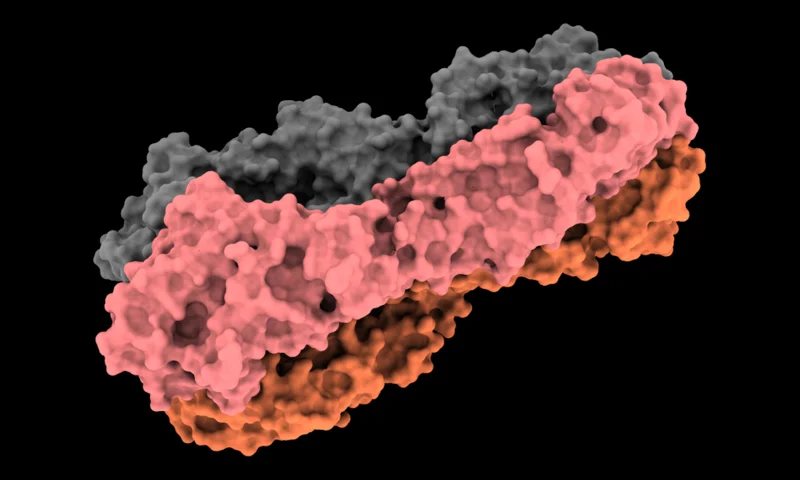
Open-source AlphaFold3-class model (IntelliFold) with fast, accurate structure prediction across biomolecules.
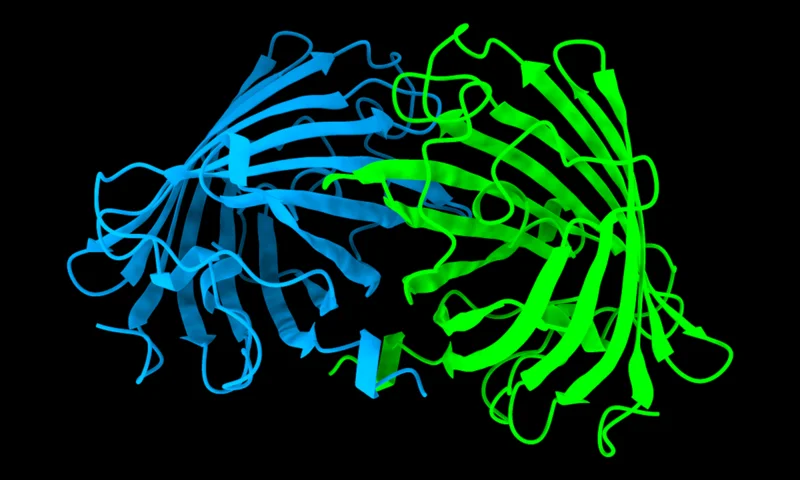
Accurately predict protein and complex structures at the atomic level using their amino acid sequence.
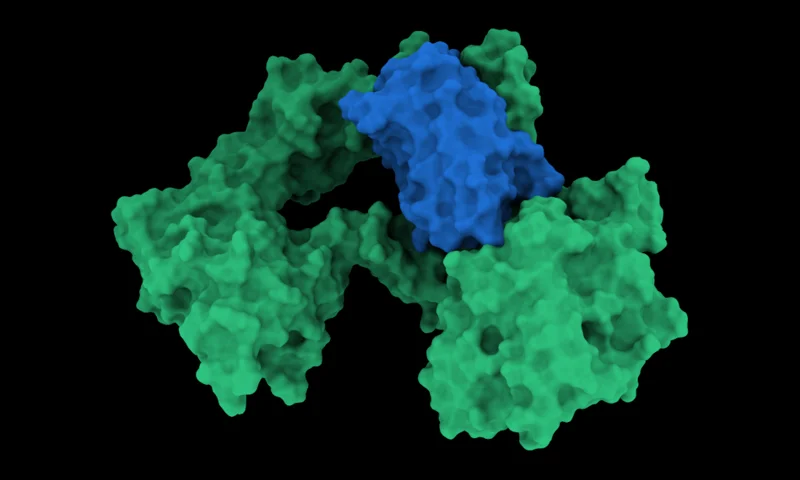
Generate high-affinity binders for proteins, nucleic acids, and small molecules using an all-atom diffusion model.
Predict multiple protein developability properties from sequence in one batch workflow.
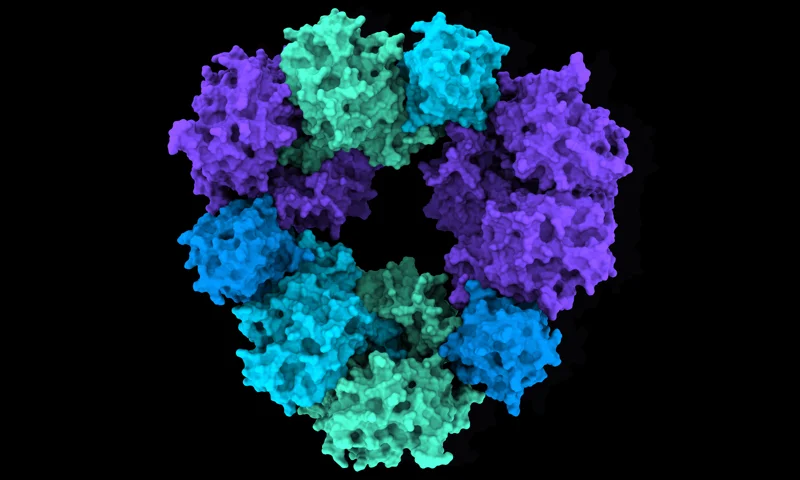
Chai-1 fork with Feynman-Kac steering for molecular-glue ternary complexes.
Boltz-2-compatible low-memory fork with extra chunking and bfloat16 controls.
User-configured BAGEL workflows for mini-enzyme, mimic-enzyme, and binder design.
Fully atomistic binder and motif design with generative search and structure-prediction validation.
Score, rank, and compare protein structures with ProteinEBM energy.
Sample ProteinEBM folding dynamics and export trajectories.
Structure- and ensemble-conditioned protein sequence design, scoring, and sidechain packing.
Campaign-based protein binder design across multiple binder modalities.
One-shot design of functional protein binders.
PyRosetta-free one-shot design of functional protein binders.
Open-source AlphaFold3 reproduction achieving near-parity accuracy across biomolecular modalities.
Biohub all-atom ESMFold2 for proteins, nucleic acids, ligands, and complexes.
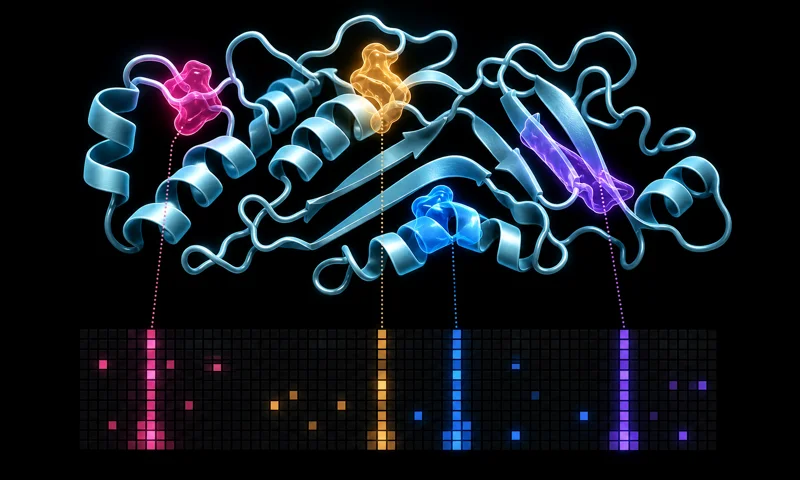
Interpret residue-level biological patterns learned by ESMC using sparse autoencoder features.
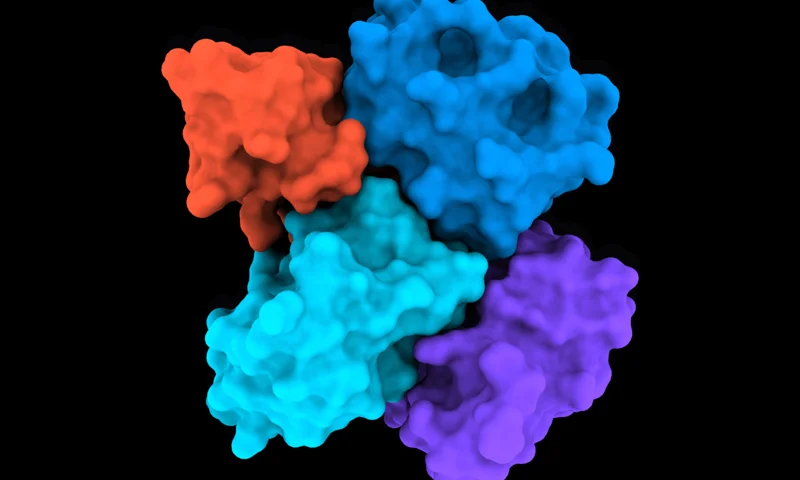
Design minibinders and antibody CDRs with ESMFold2 structural gradients and ESMC sequence regularization.
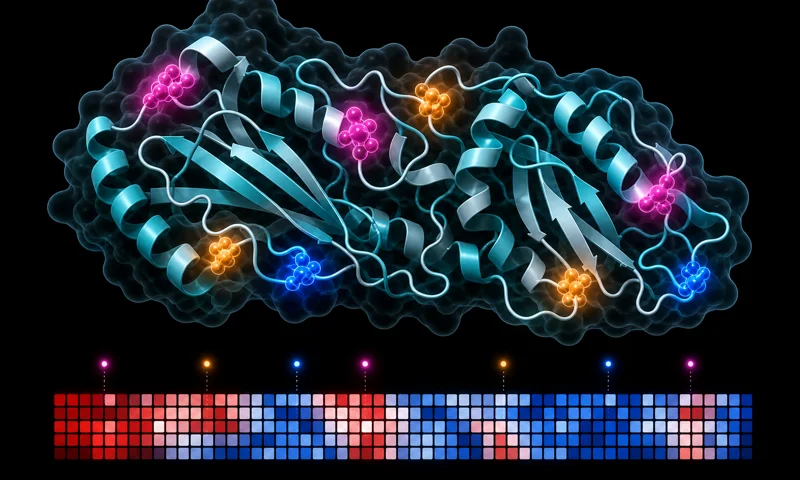
Zero-shot ESMC entropy and mutation scoring from sequence alone.
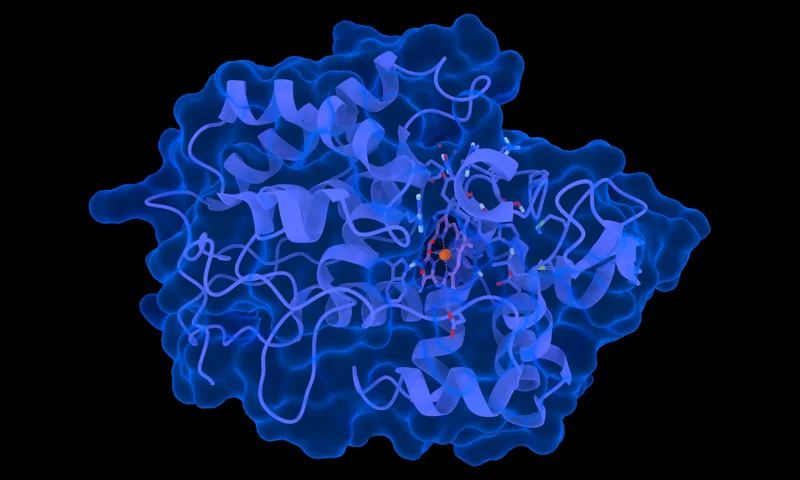
Enhanced molecular docking with deep learning.
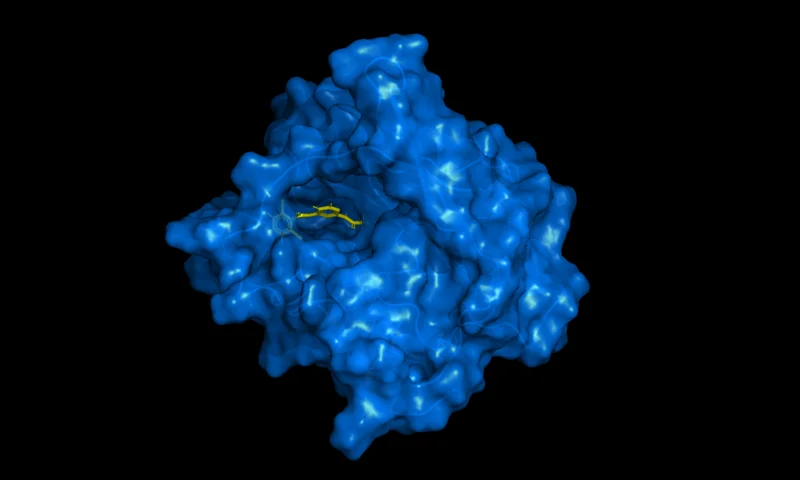
Predict protein-ligand complexes using protein structure files and ligands in SMILES format.
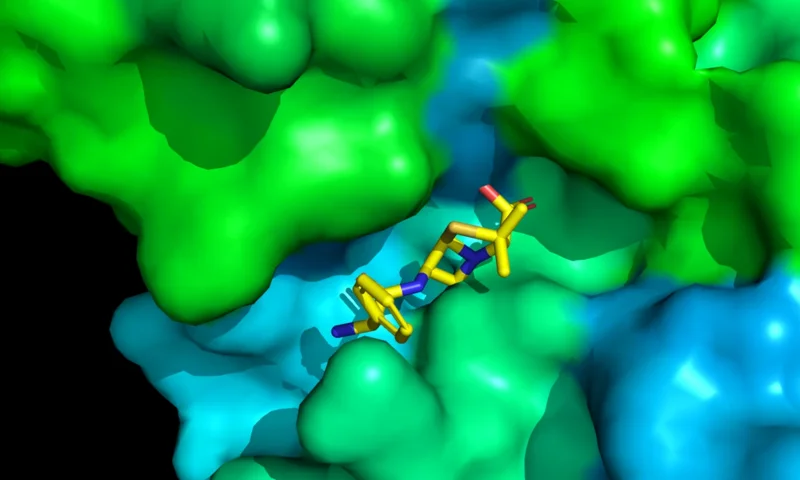
Dock a ligand onto any protein receptor with high accuracy.
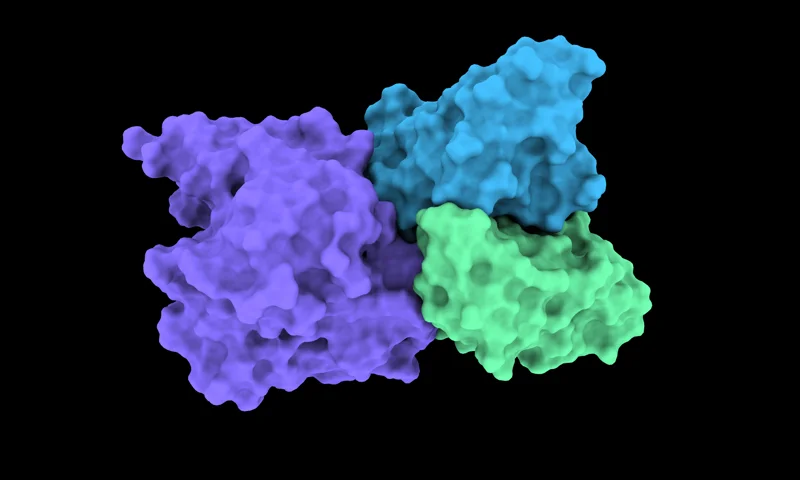
Generative antibody/nanobody design with fine-tuned RFdiffusion
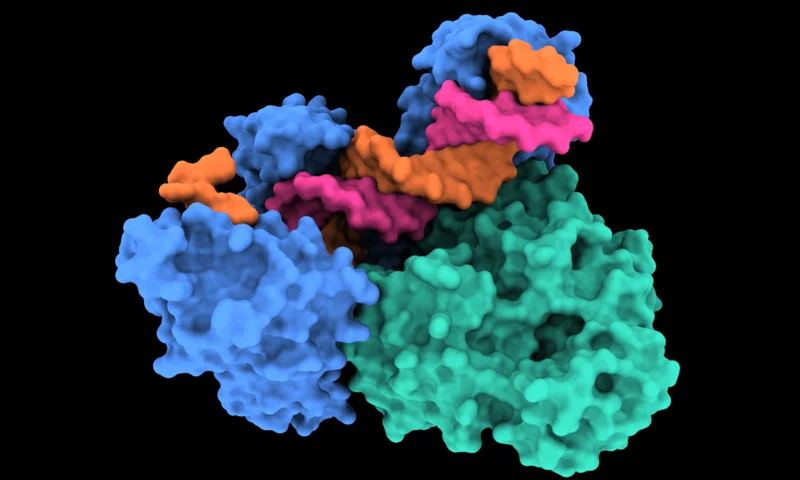
All-atom generative diffusion model for designing proteins, nucleic acid binders, and enzymes with precise non-protein interaction conditioning.
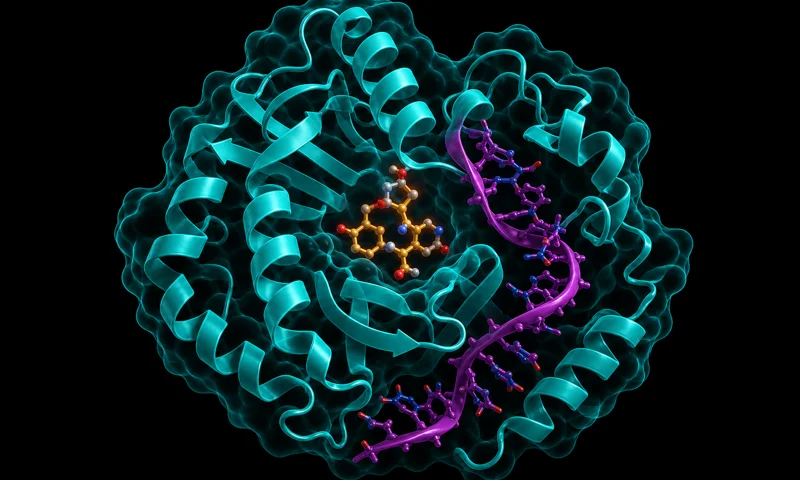
Joint protein sequence-structure co-design with ligand, RNA, and DNA conditioning in one diffusion workflow.
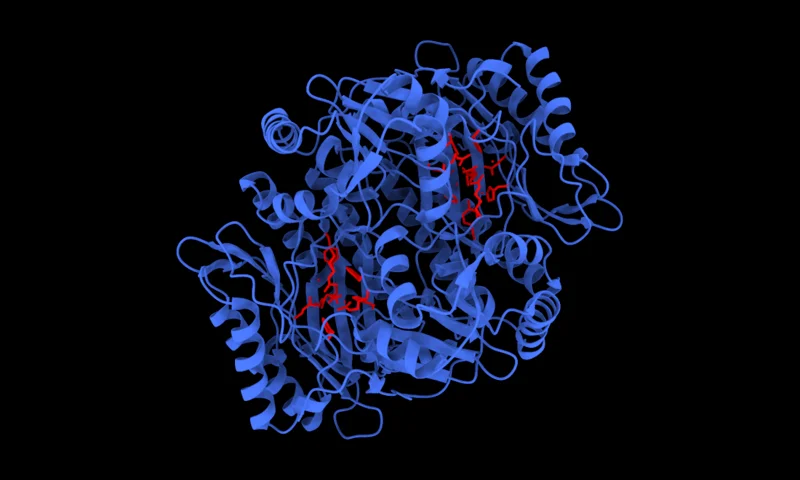
Design functional enzymes from their reaction mechanisms using an atom-resolution generative model.
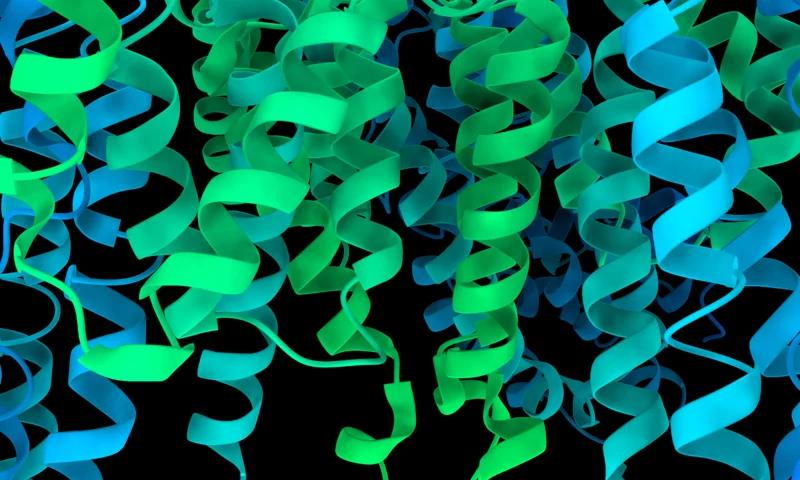
Design proteins, binders, and more with this protein diffusion model.
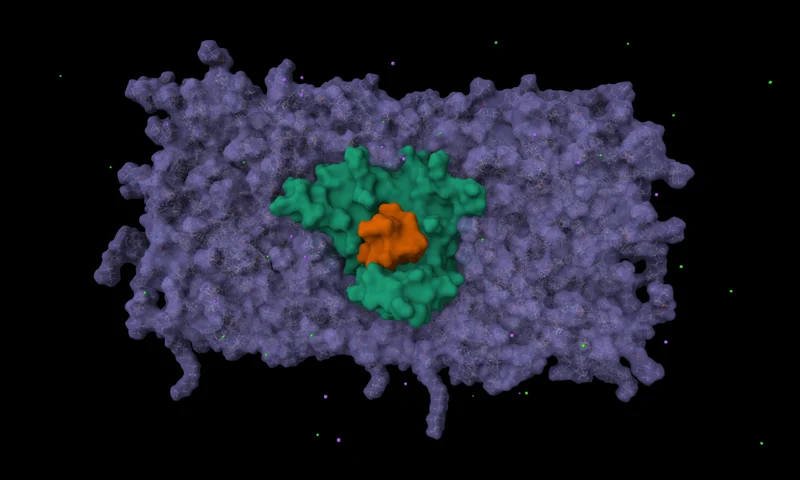
Run all-atom OpenMM molecular dynamics simulations with staged minimization, NVT, NPT, and production MD.
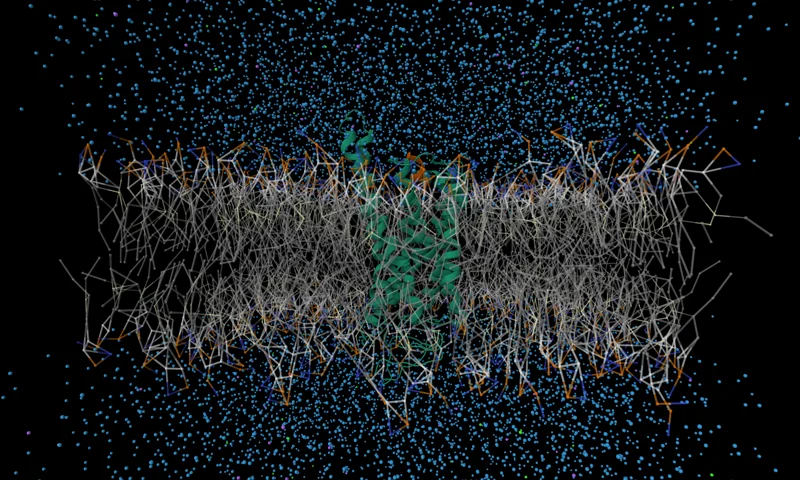
Run Martini coarse-grained OpenMM molecular dynamics simulations with staged minimization, NVT, NPT, and production MD.
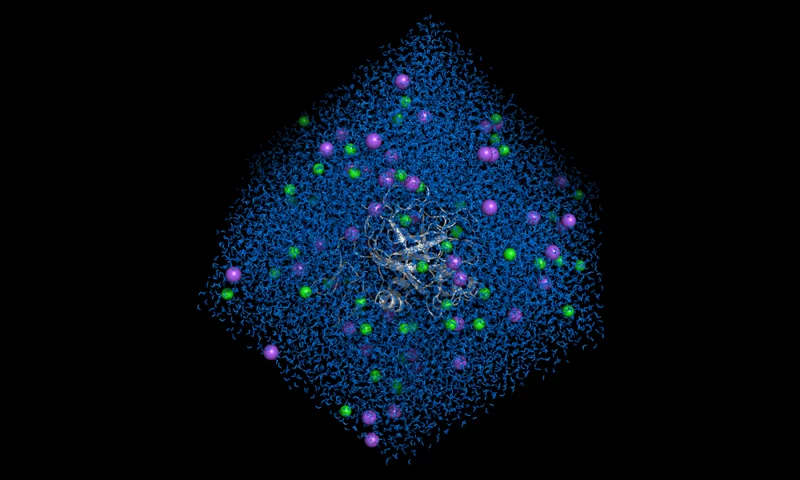
Perform Molecular Dynamics using GROMACS framework, simulating many different solvent solute systems.
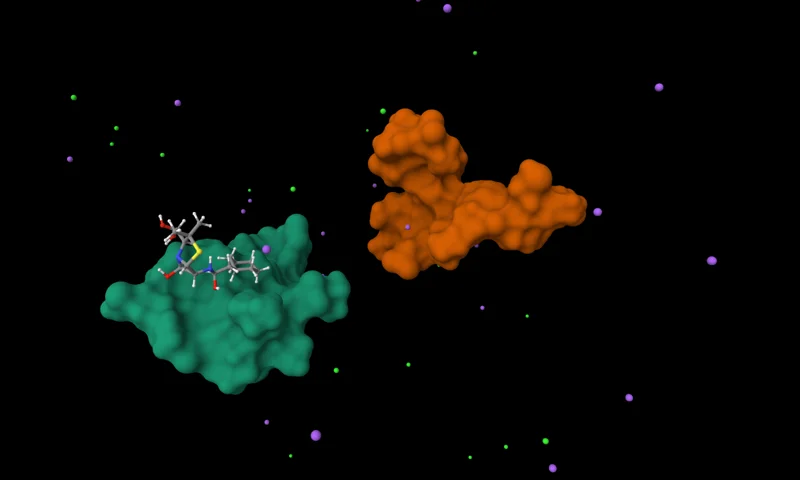
Calculate binding energetics for GROMACS trajectories using MMPBSA/MMGBSA calculations
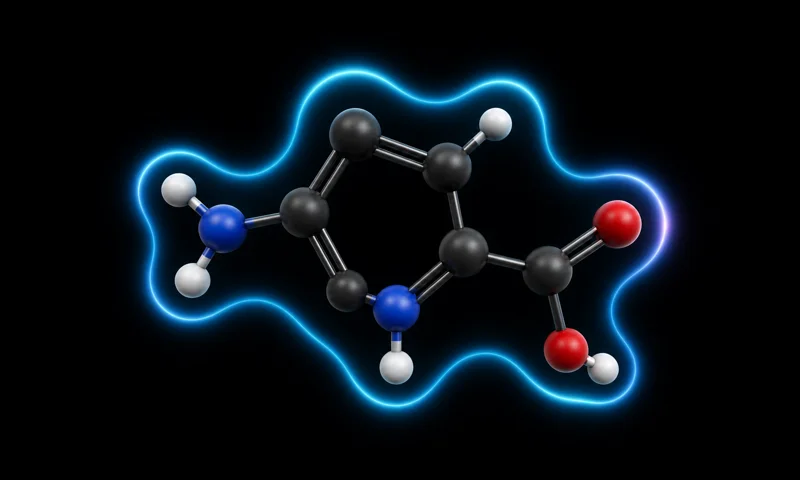
Evaluate a fixed molecular geometry across a broad, provenance-rich catalog of electronic-structure methods and molecular potentials.
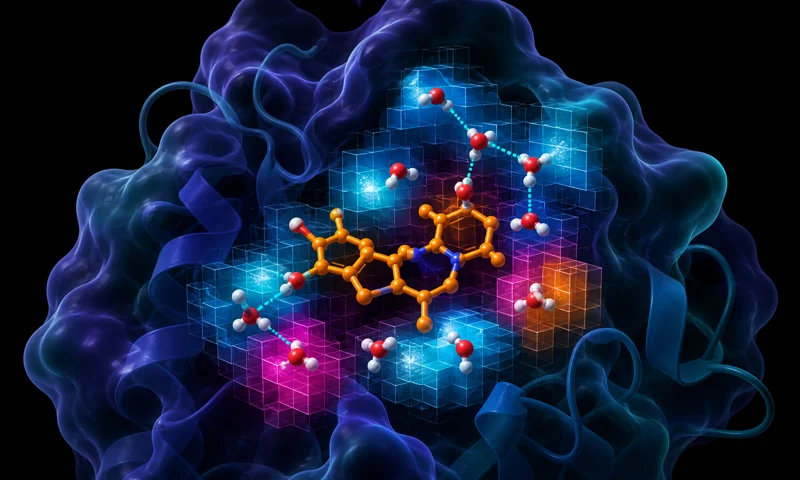
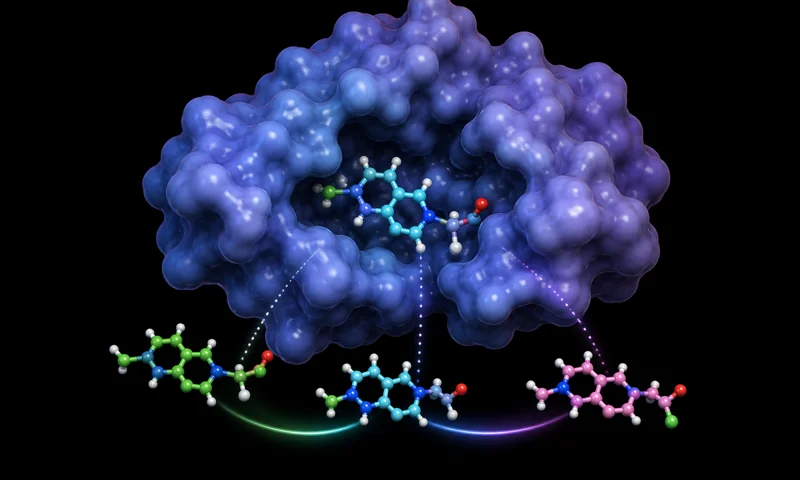
Simulate and map local binding-site hydration thermodynamics with a reproducible OpenMM and cpptraj GIST workflow.
BETA
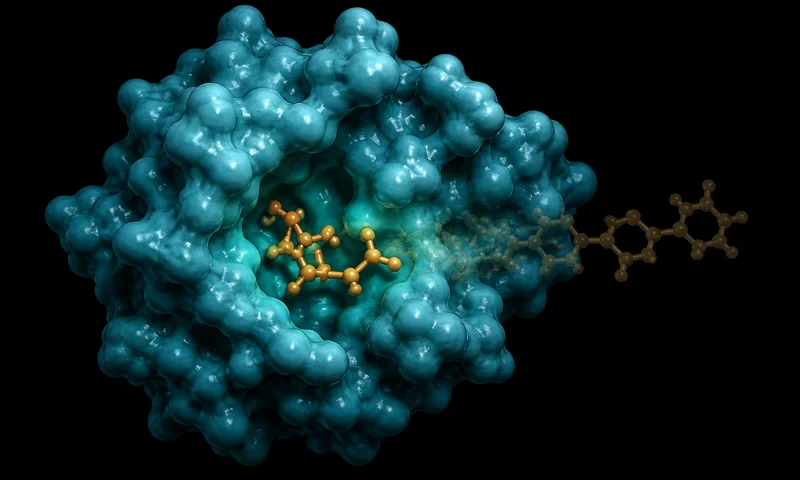
Rank a positioned ligand series with OpenFE relative binding free energy calculations.
BETA
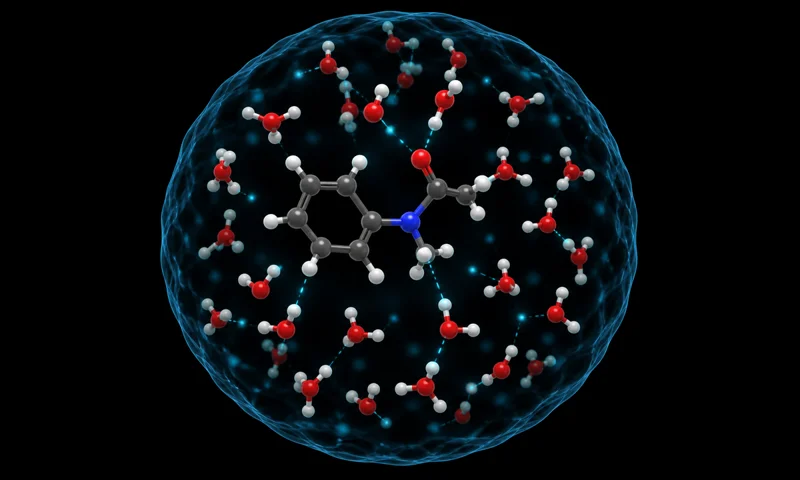
Compute an OpenFE absolute binding free energy from a positioned SDF ligand.
BETA
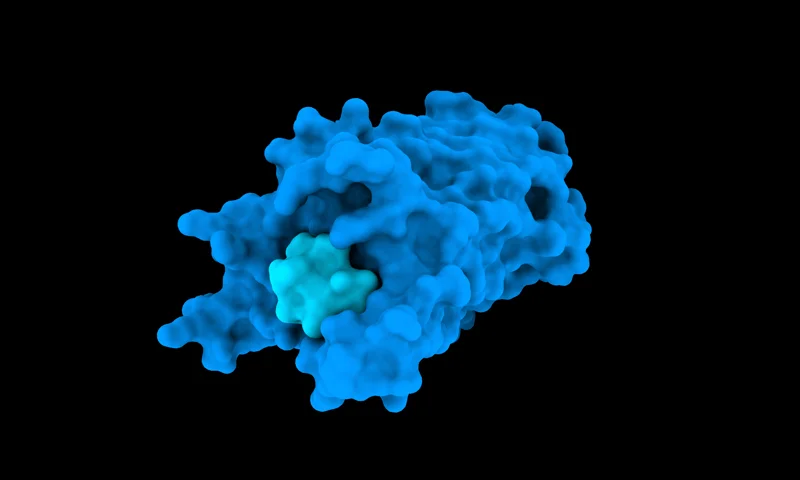
Compute OpenFE hydration free energies for small molecules.
Post-process molecular-dynamics trajectories into stability, flexibility, exposure, contact, and secondary-structure CSV outputs.
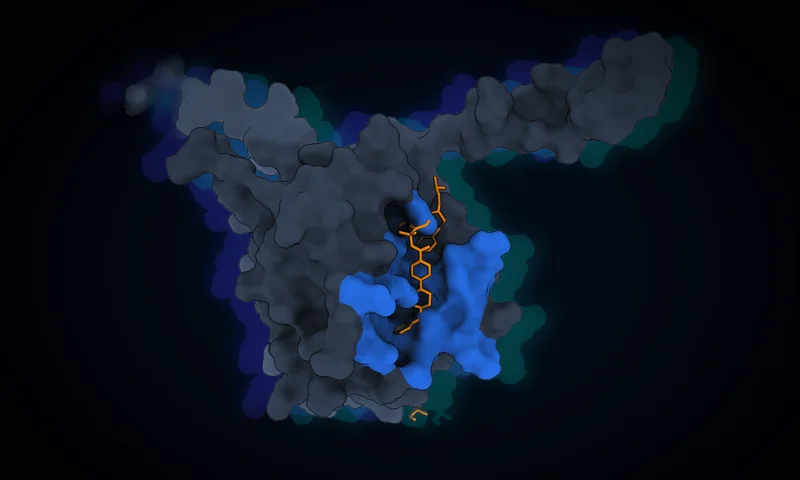
BETA
Discover and rank cryptic protein pockets through conformational ensemble analysis.
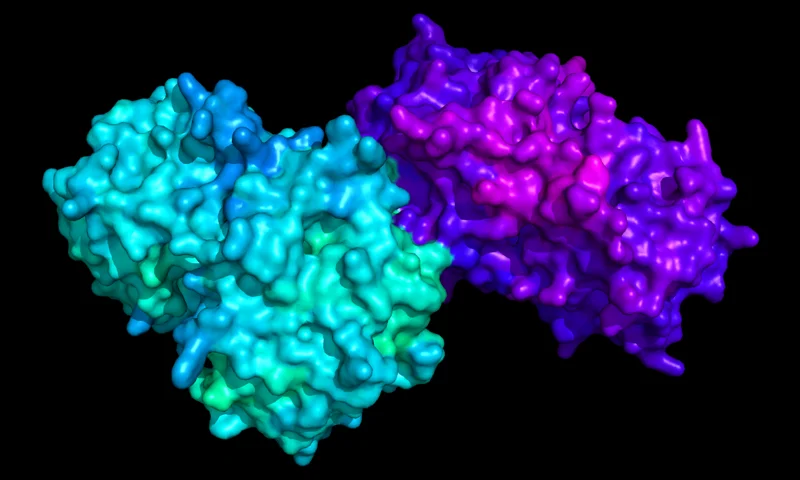
Accurately predict protein complexes with specialized restraints.
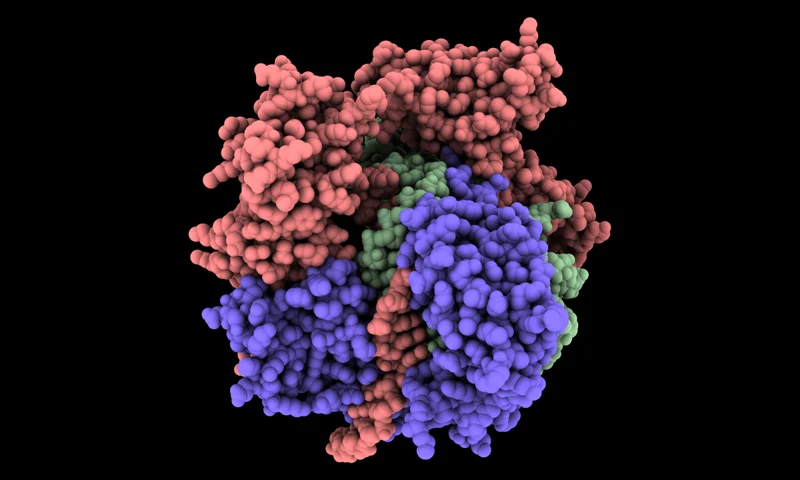
Open-source all-atom foundation model for structure prediction and generative design.
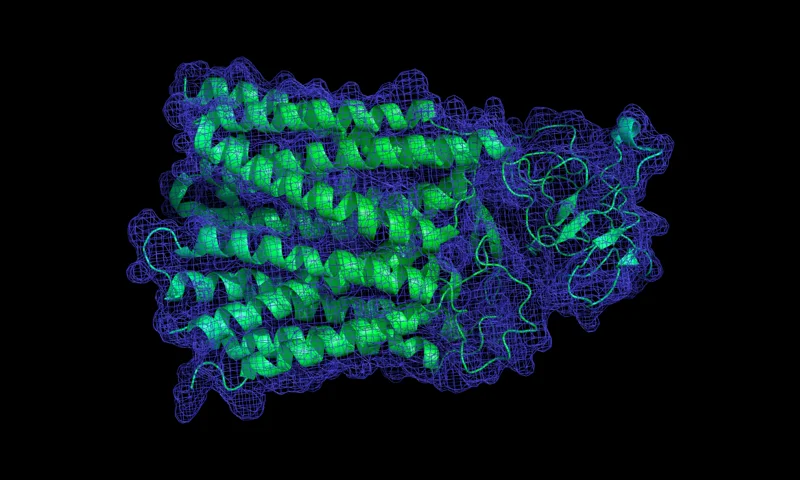
Protein structure prediction that's faster than AlphaFold2 and just as accurate.
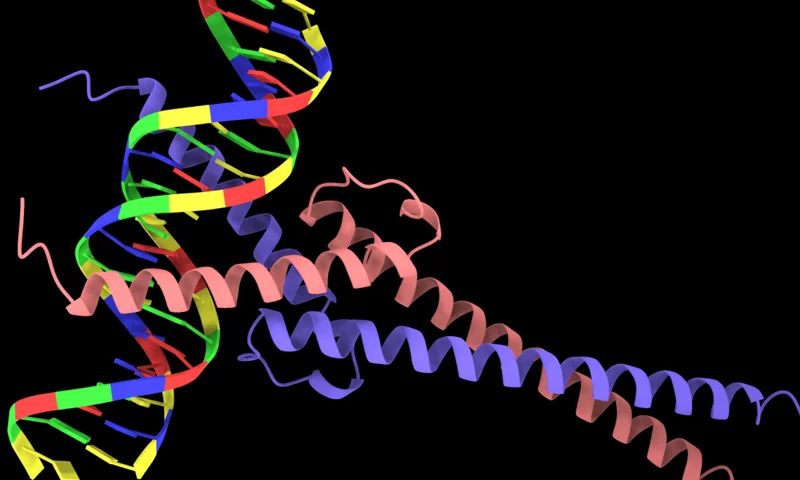
Protein folding model that supports proteins, nucleotides, ligands, metal ions, and other small molecules.
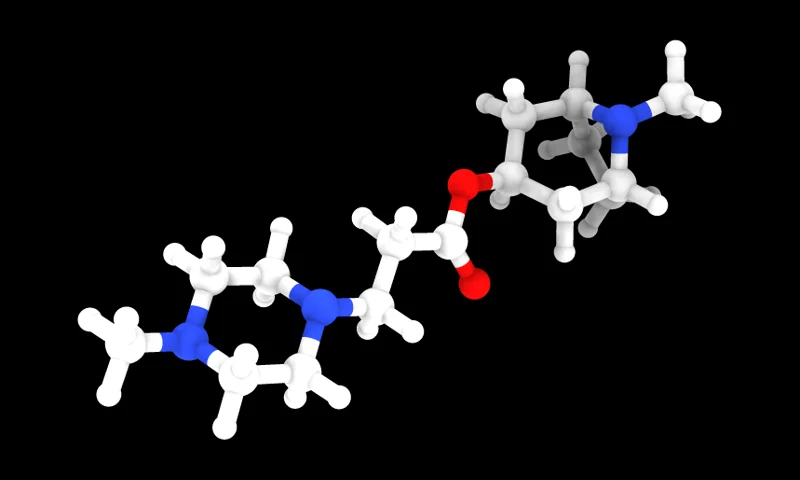
Generative AI for small molecule design and optimization.
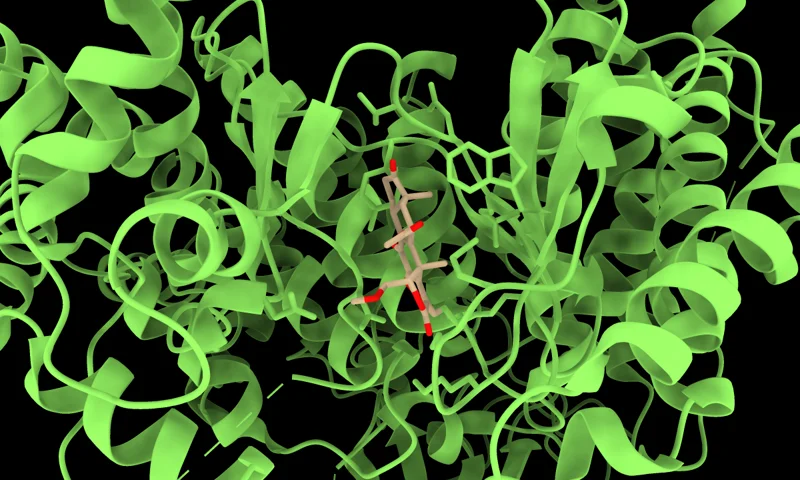
PocketFlow is a Deep Generative Model that generates ligands for target protein binding pockets.
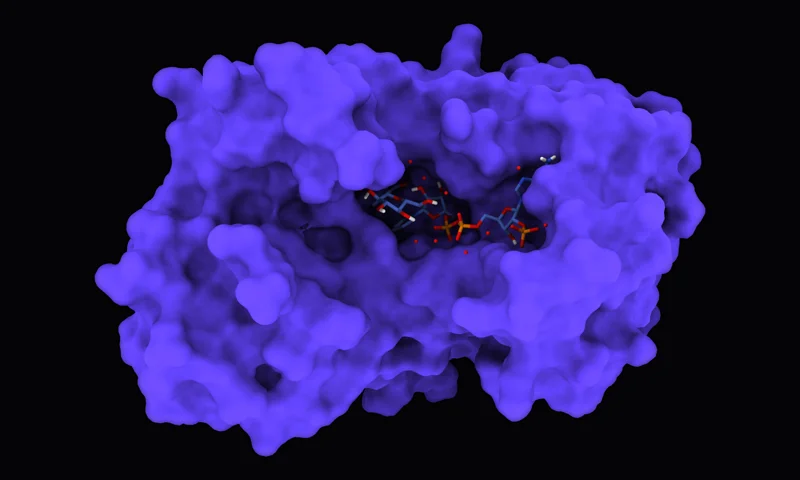
Pocket-conditioned docking for small molecules or peptides.
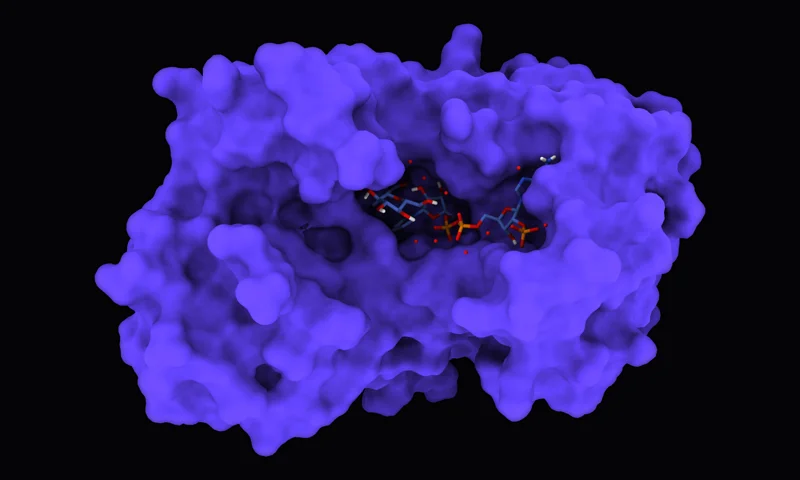
Pocket-conditioned peptide generation and redesign.
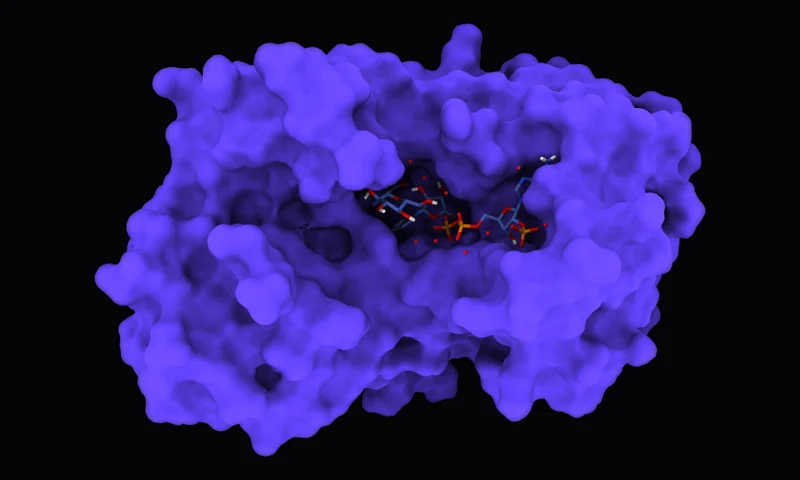
Pocket-conditioned small-molecule generation and fragment expansion.
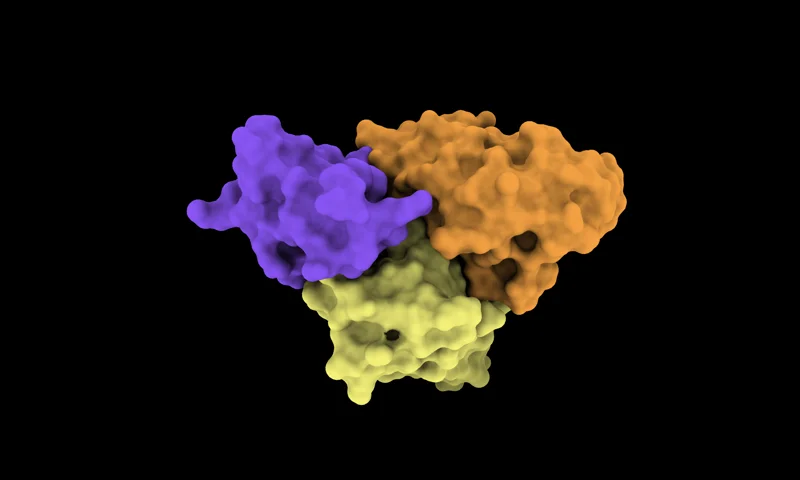
Protein stability and binding energy analysis using EvoEF2.
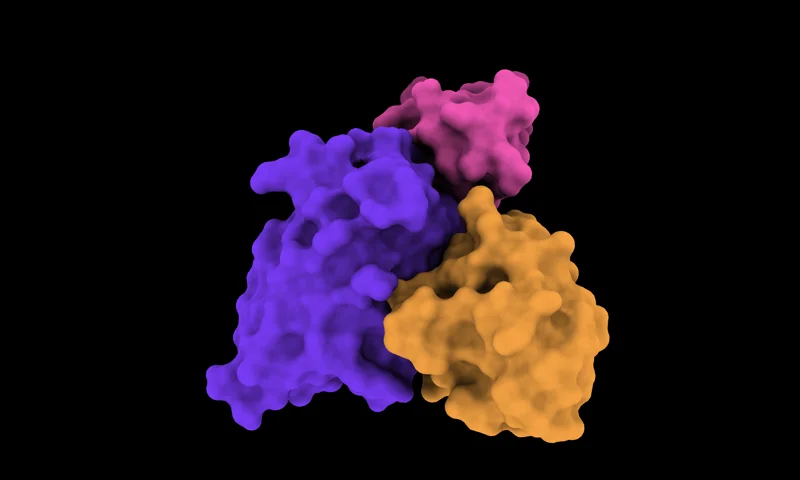
Analyze the impact of mutations on protein stability using EvoEF2.
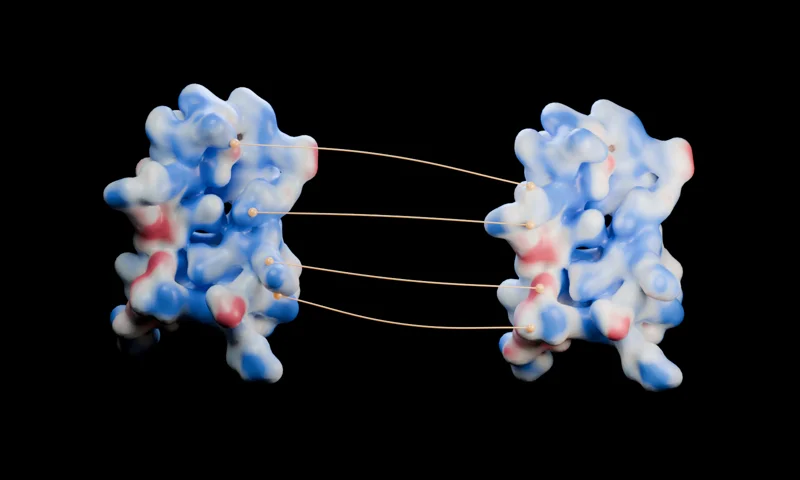
BETA
Compare two protein structures through their geometric and chemical surfaces.
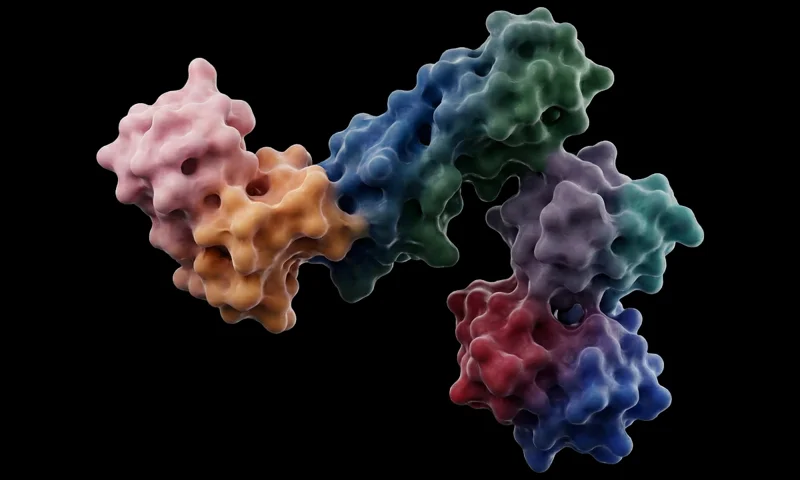
Sequence-only pI/pKa prediction (IPC 1/2).
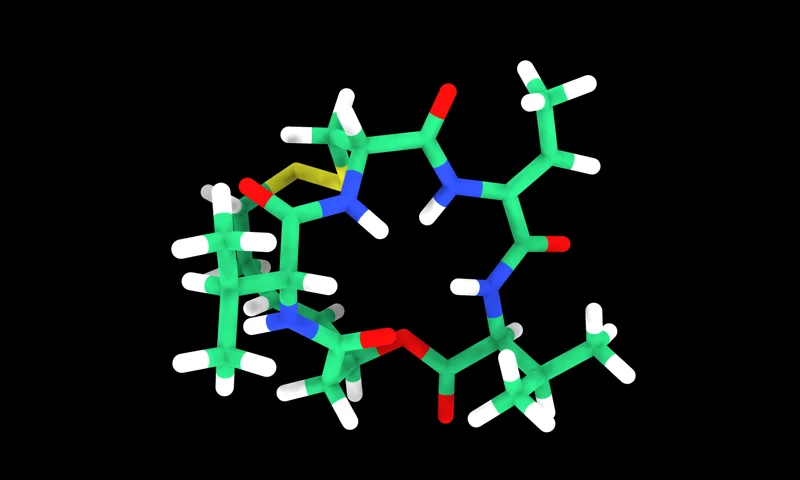
Screen and evaluate early-stage PPI-targeting compounds with a tailored drug-likeness index.
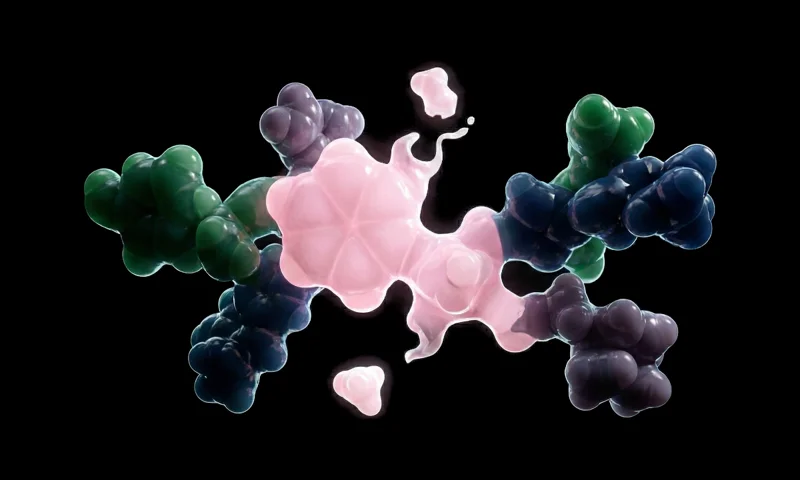
Fragment-based molecular generation and optimization tool.
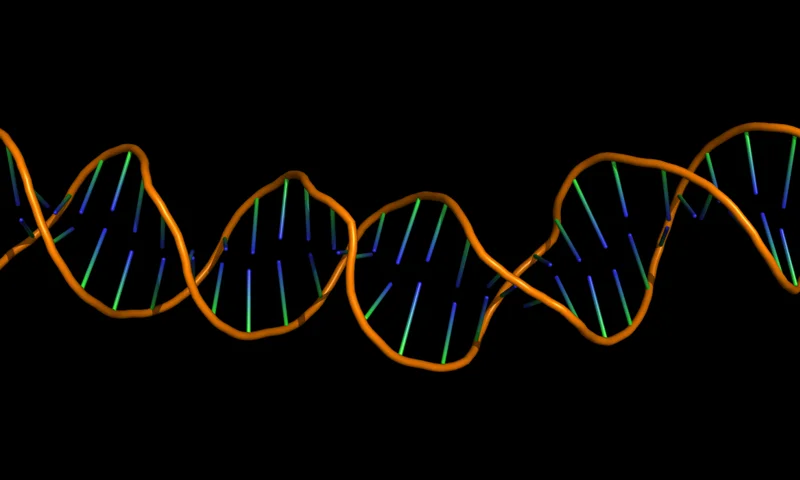
Easily perform transcript quantification using an input fastq file.
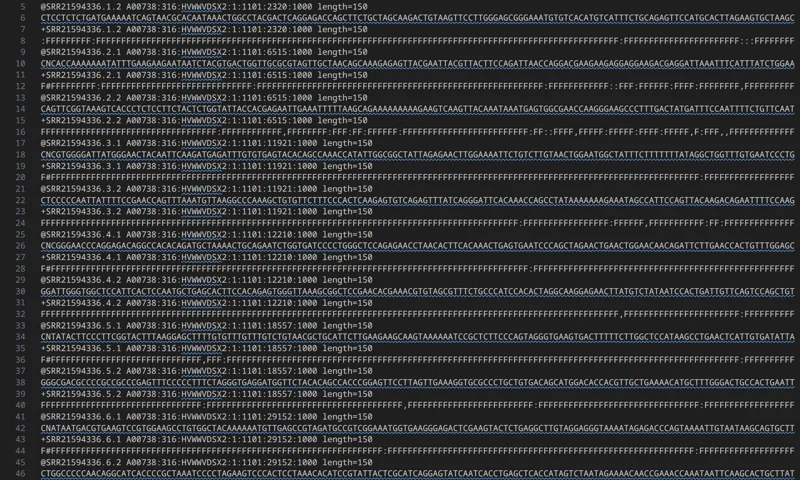
Split interleaved FASTQ into left/right FASTQ with validation.
Score genomic variants and generate DNA with Evo2.
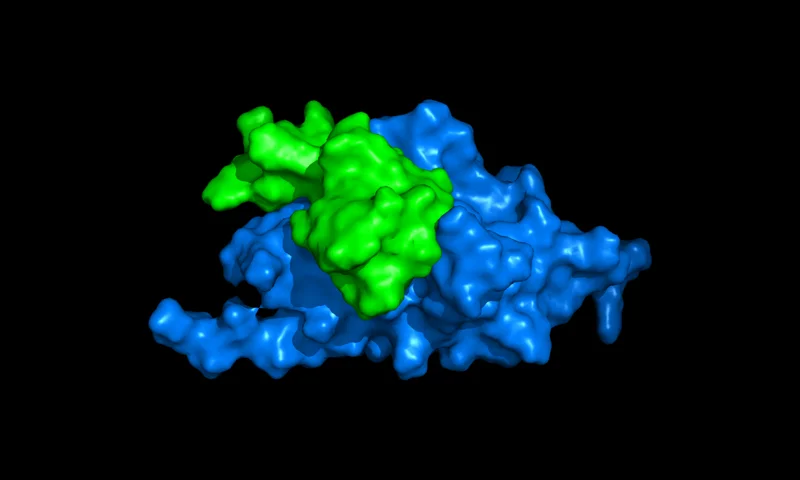
Powerful molecular docking algorithm for proteins and nucleotides.
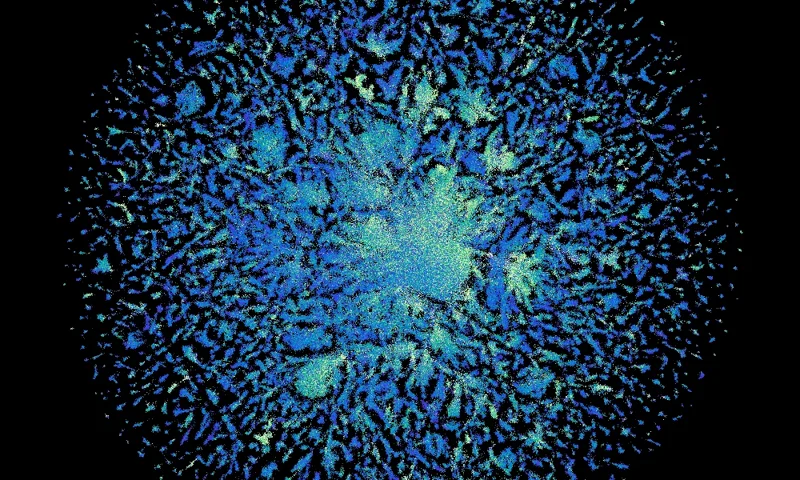
Accurately predict protein structures at the atomic level using its amino acid sequence.
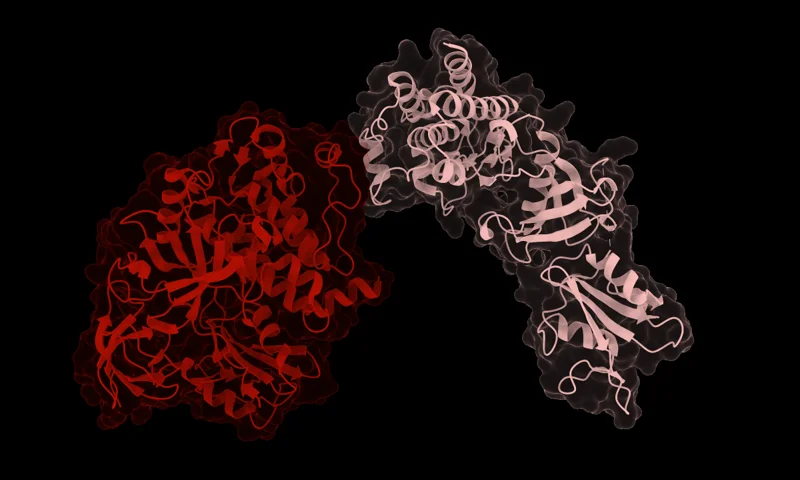
Predict alternative sequences for an input protein structure with high accuracy. Also supports ProteinMPNN and SolubleMPNN.
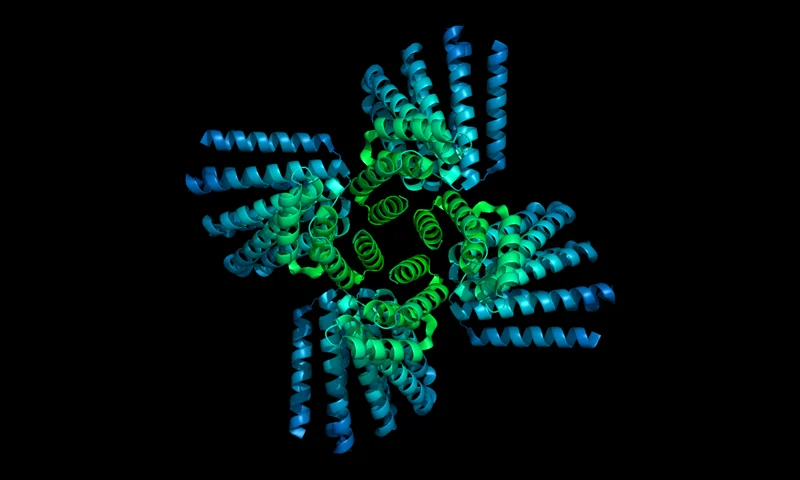
Predict alternative sequences for an input protein structure with high accuracy. Also supports SolubleMPNN.
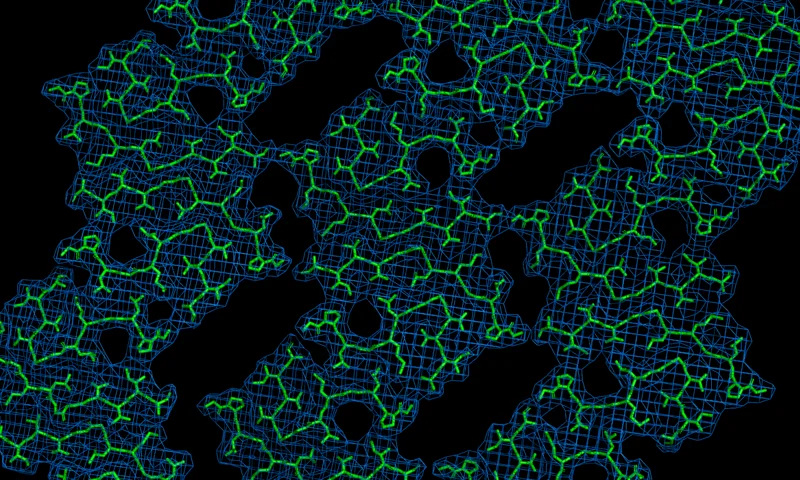
Accurately predict protein solubility and expression / usability from amino acid sequence.
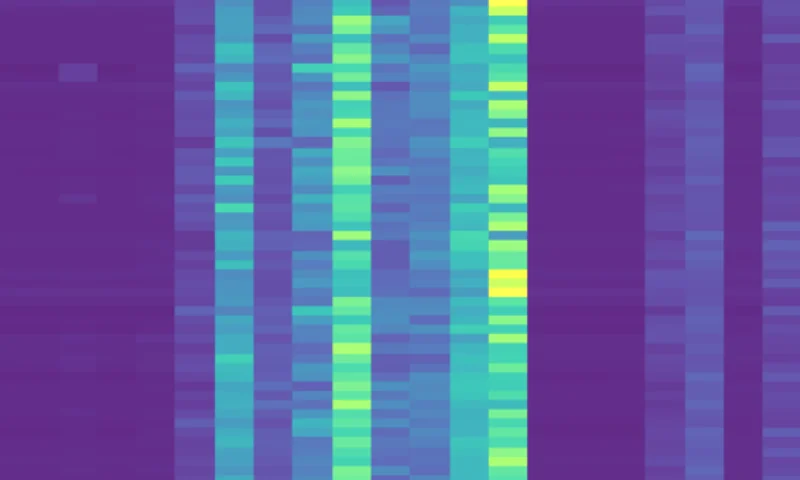
Differential Expression Analysis pipeline configured for two-condition experiments.
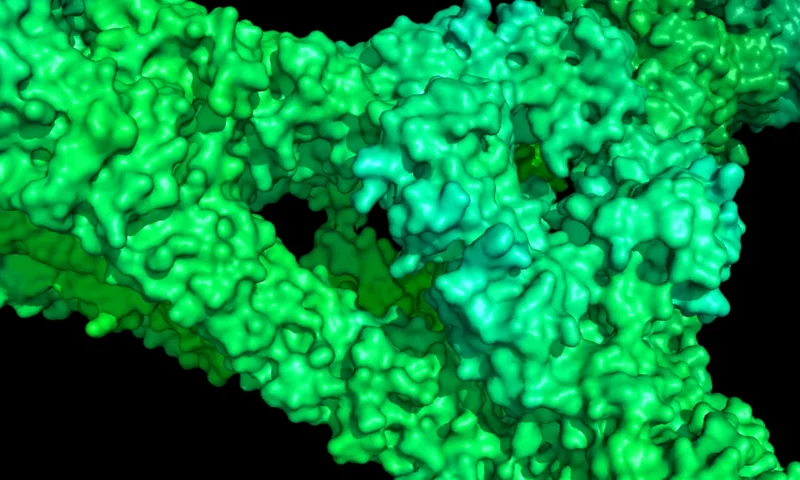
Predict alternative sequences for an input protein structure with high accuracy.
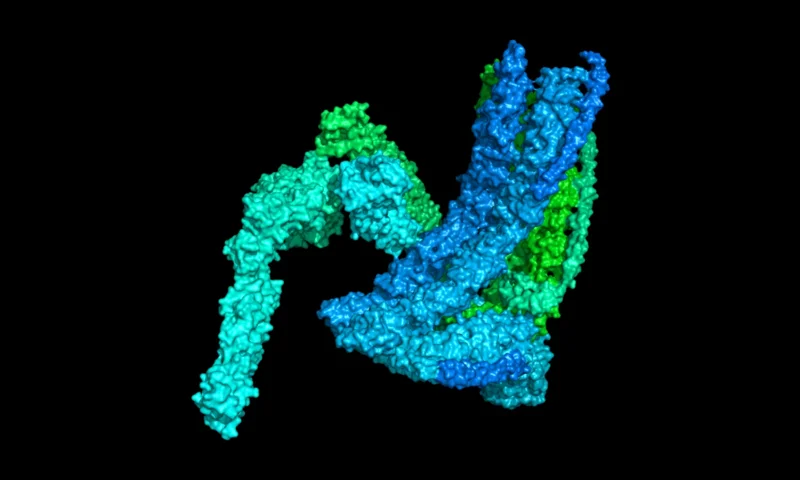
Predict alternative sequences for an input protein structure with high accuracy.
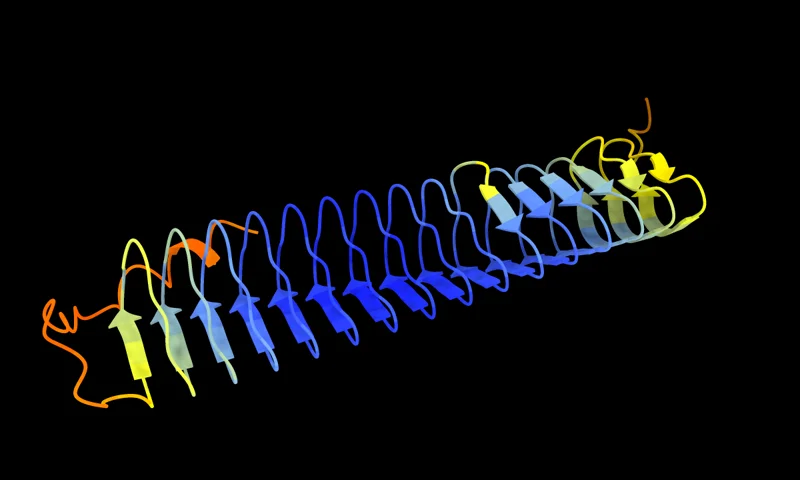
Generates improved cyclic protein structures using a modified AlphaFold network.
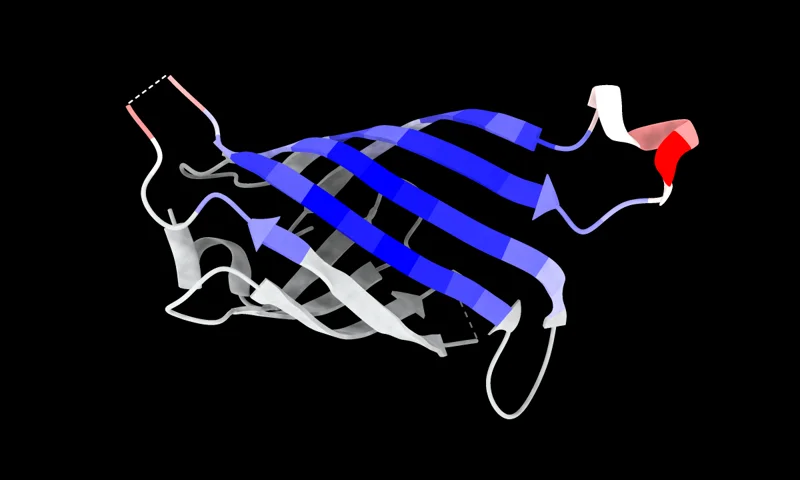
Accurately predict small-molecule-binding residues using AlphaFold2 pairwise representation.
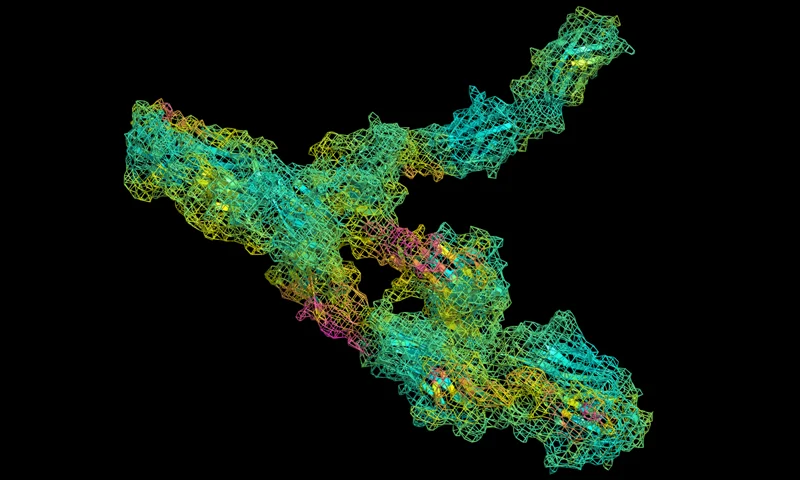
A geometric deep learning model for predicting binding site probability from a structure.
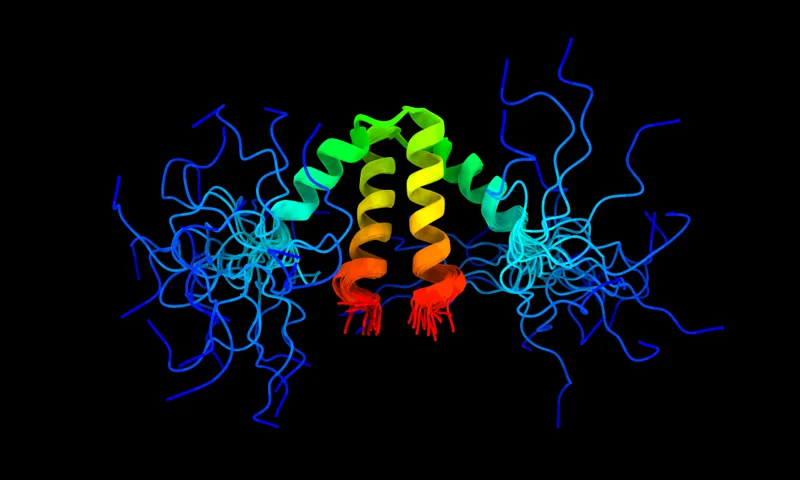
Predict conformational substates using AlphaFold2 on multiple sequence alignments.
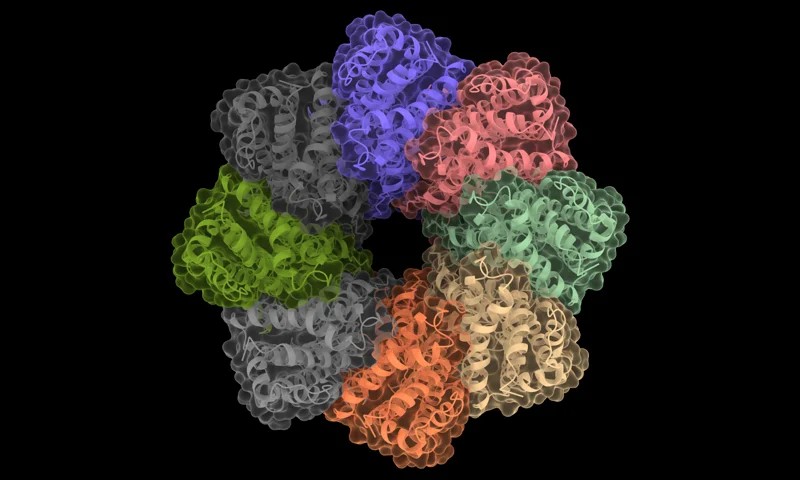
PRODIGY predicts binding affinity and dissociation constants for protein–protein complexes based on their 3D structures.
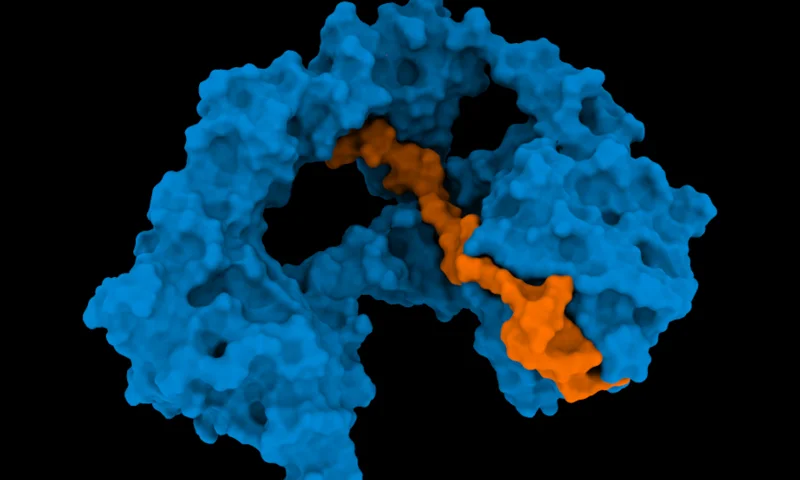
A structure-aware deep learning model for high-accuracy protein-protein binding affinity prediction (Kd).
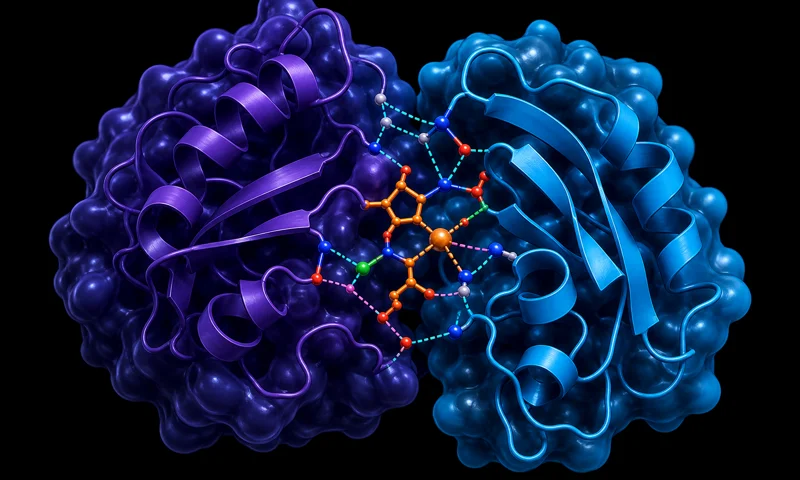
Detect and summarize molecular interactions across uploaded structures.
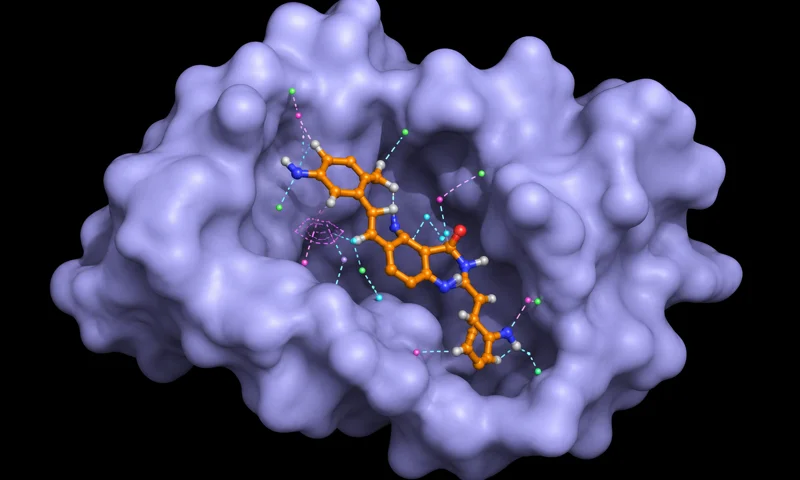
Compare protein-ligand interaction fingerprints across compounds with ProLIF.
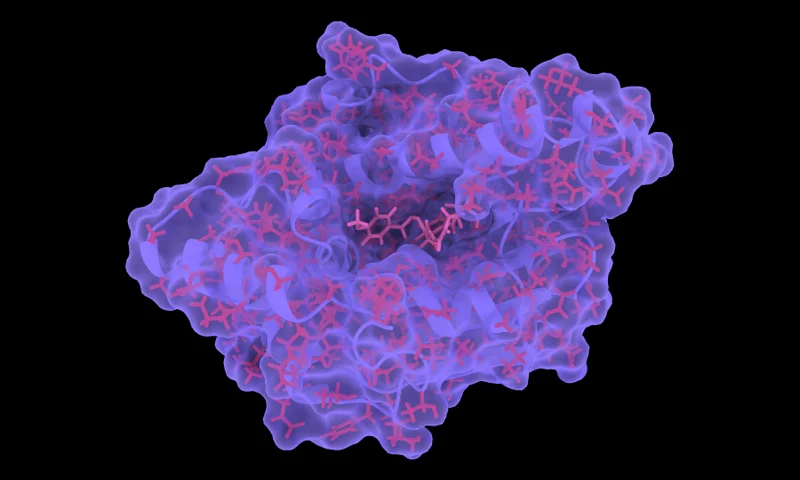
SPRINT is a fast, accurate, and scalable deep learning framework for virtual screening of thousands of molecules.
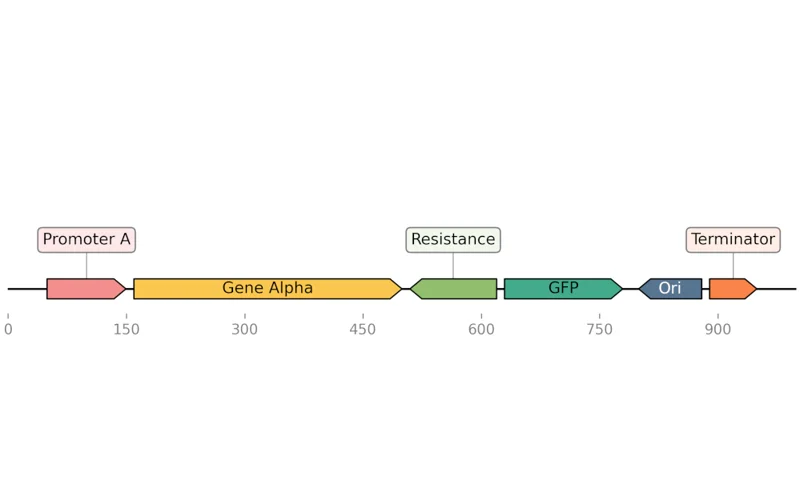
DnaChisel edits DNA sequences to satisfy biological constraints and optimize properties like codon usage, motif distribution, and GC content.
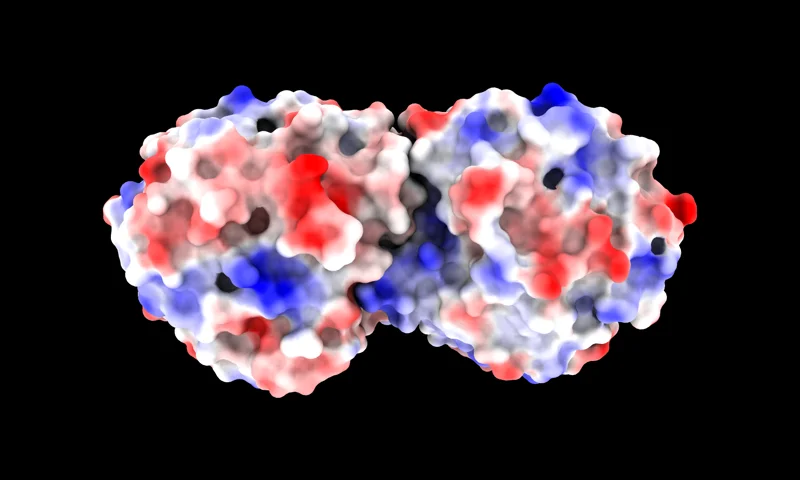
A deep learning-based tool for multispecies codon optimization.
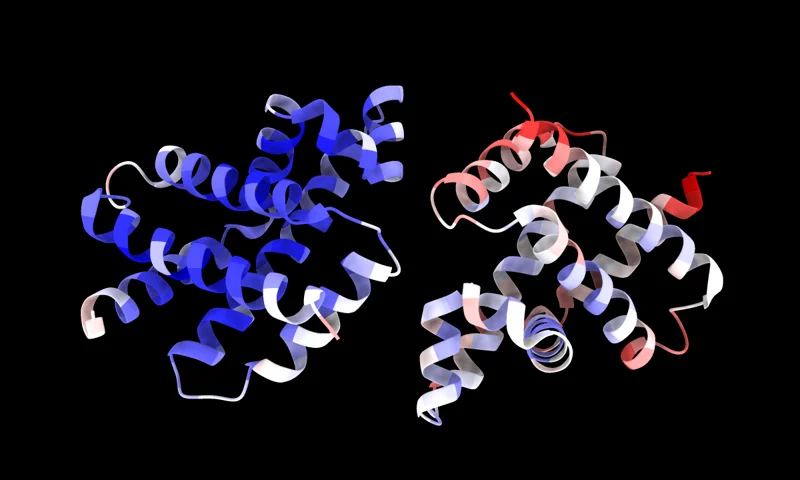
A nucleotide sequence based method for optimizing protein expression.
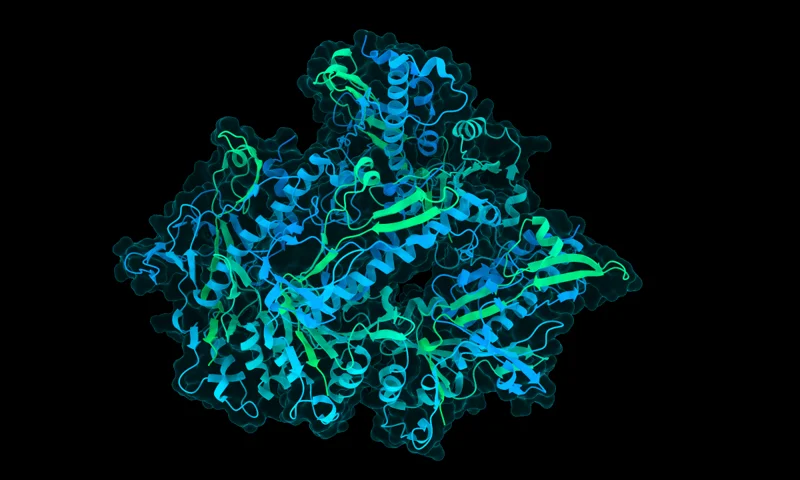
A sequence based method for optimizing protein solubility.
A sequence based method for detecting signal peptides.
Predicts subcellular localization sites from protein sequence.
Predict protein annotations from sequence using ProtNLM.
Predict potential post translational modification sites from sequence data.
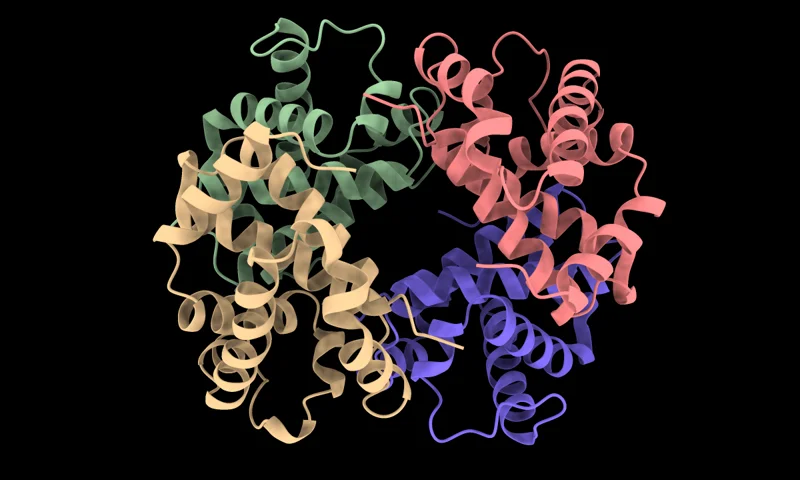
Enzbert predicts enzymatic classes of protein sequences in batch or individually.
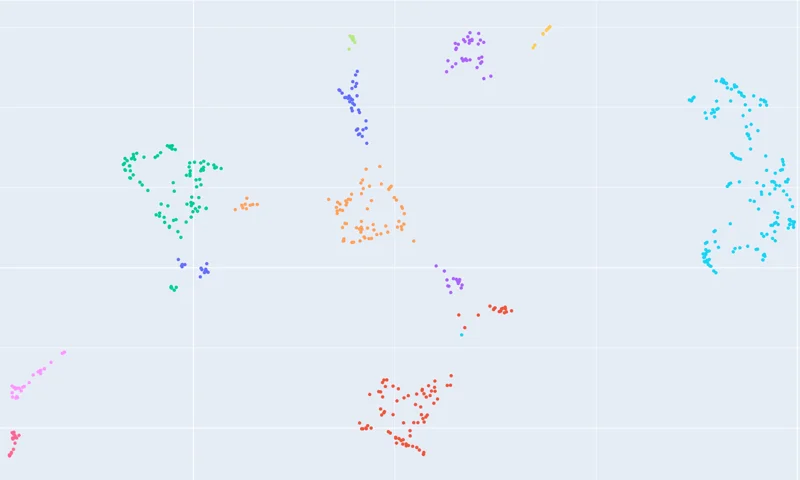
Cluster same length proteins using only their structures.
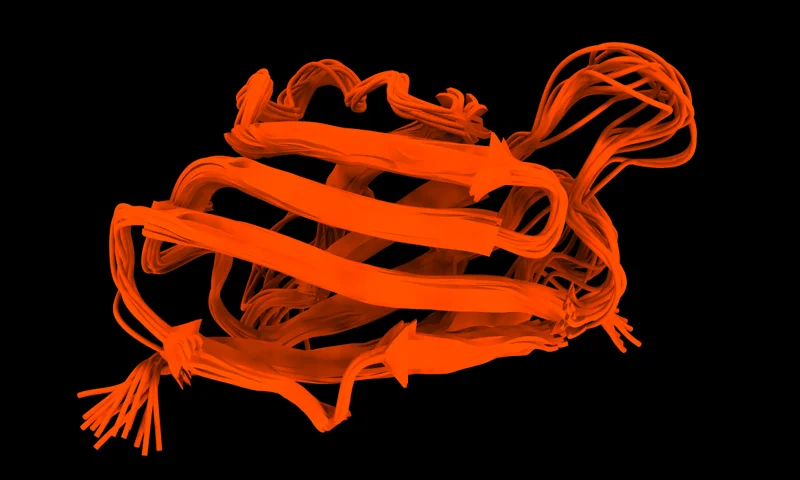
A deep learning tool that predicts the conformational flexibility of antibody and T cell receptor (TCR) CDR3 loops, classifying them as 'rigid' or 'flexible'.
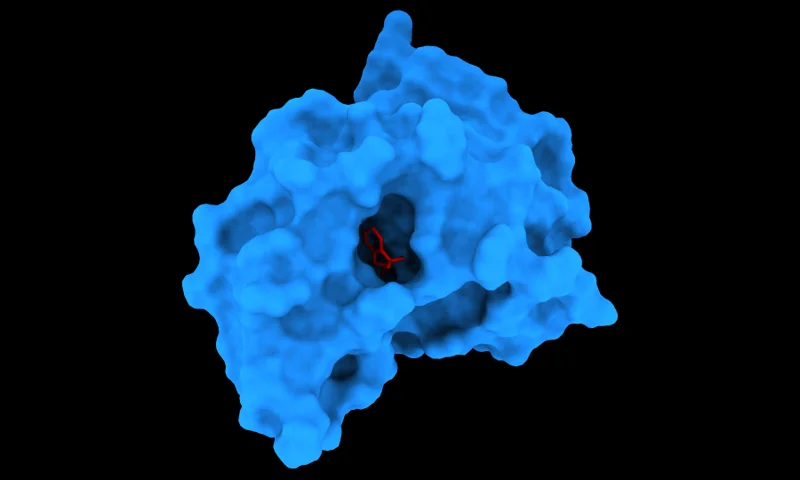
A deep learning framework for predicting enzyme kinetic parameters (kcat, Km, Ki).
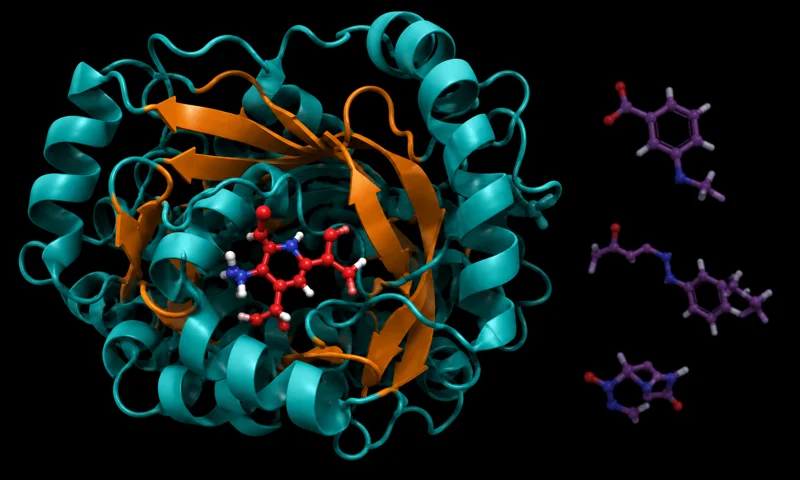
Predict kcat and Km class ranges from one enzyme sequence and a substrate panel.
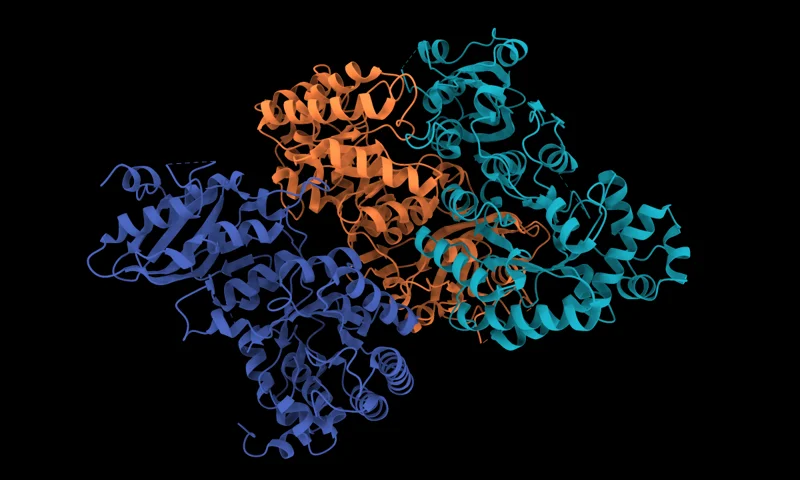
Predict Kcats of complexes using a protein sequence and compounds in SMILES format.
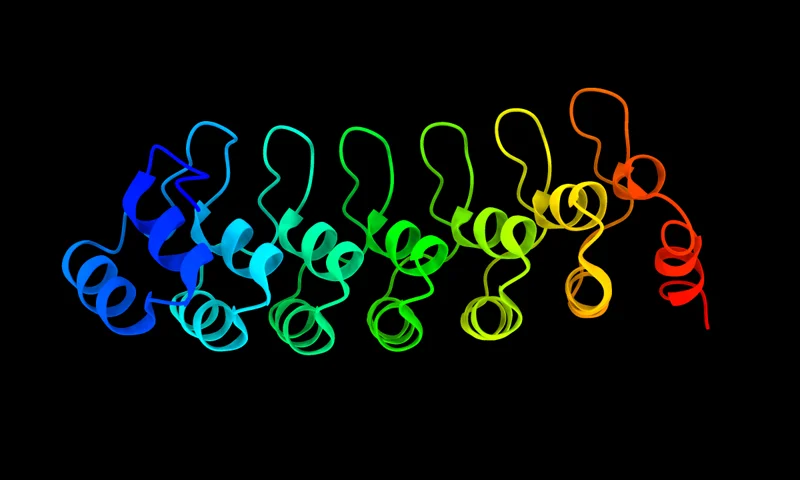
TemStaPro predicts protein thermostability from sequence at a range of temperatures.
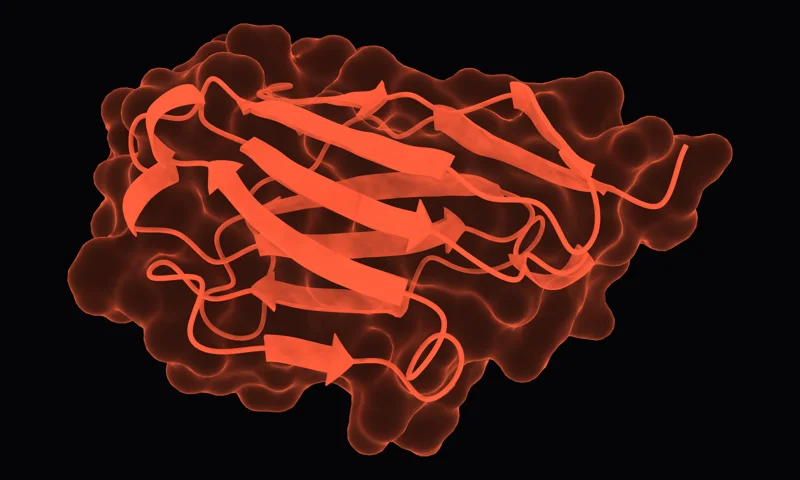
Predict nanobody melting temperature directly from amino-acid sequence.
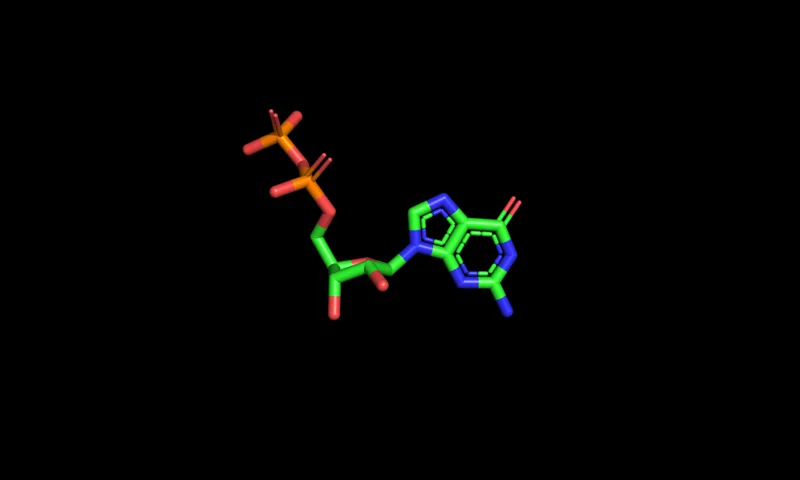
Predict Toxicity and Synthetic Accessibility from SMILES text or file inputs.
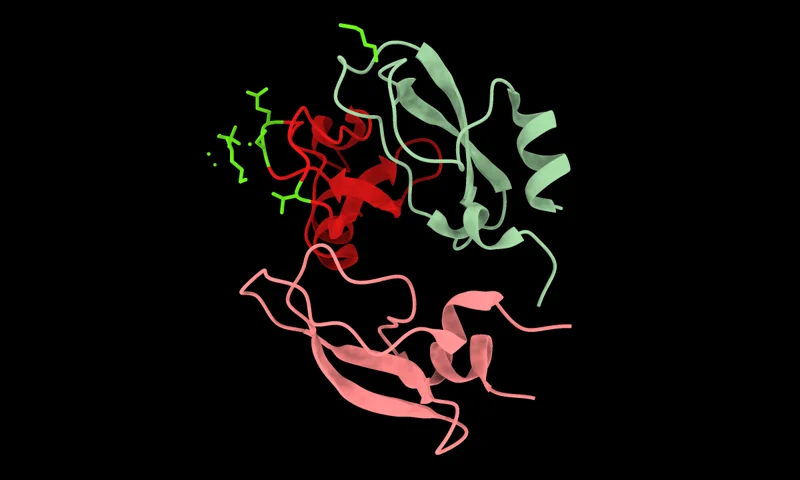
Predict peptide toxicity from single protein sequences or in batch using an accelerated algorithm.
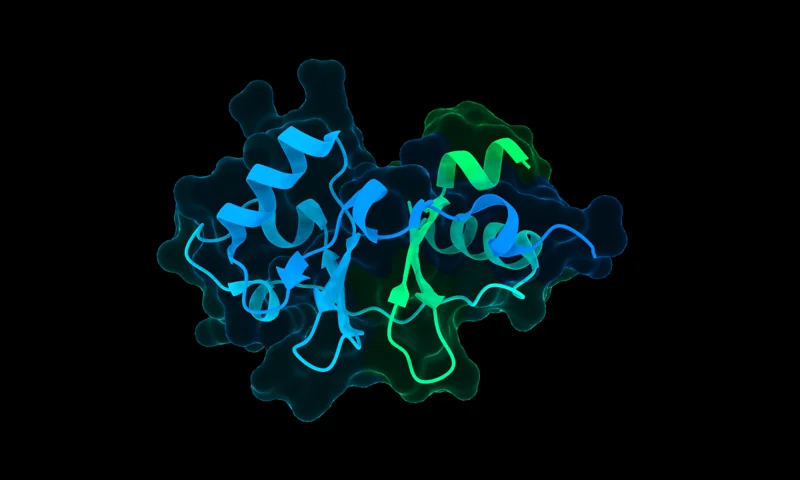
Use AlphaFlow to generate protein structures that closely reflect experimental and physiological conditions.
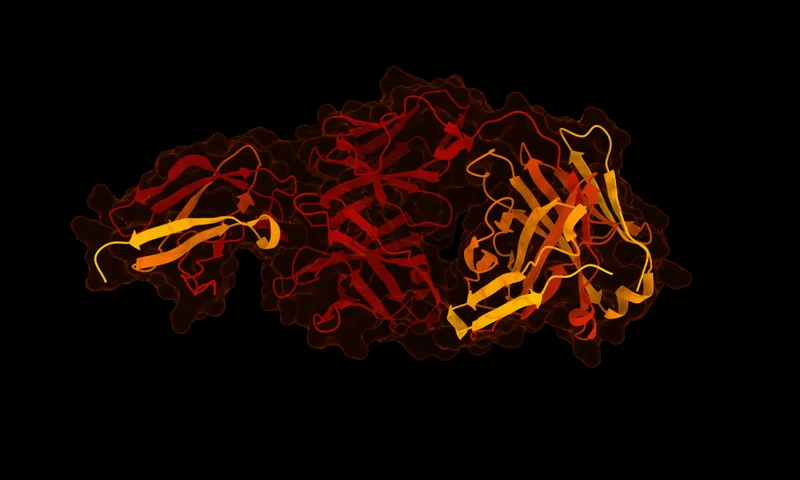
Relax a protein structure using an AMBER settling protocol.
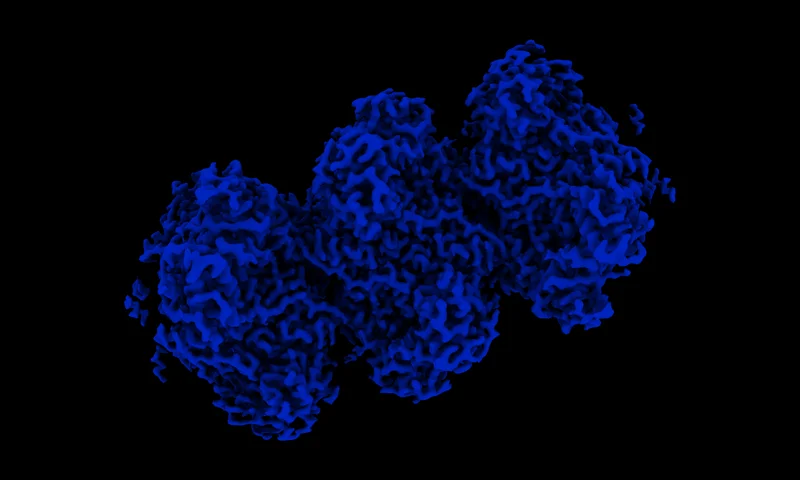
CryoAtom builds atomic models from cryo-EM maps using local attention and 3D rotary position embedding, improving model completeness and speed while lowering resolution requirements.
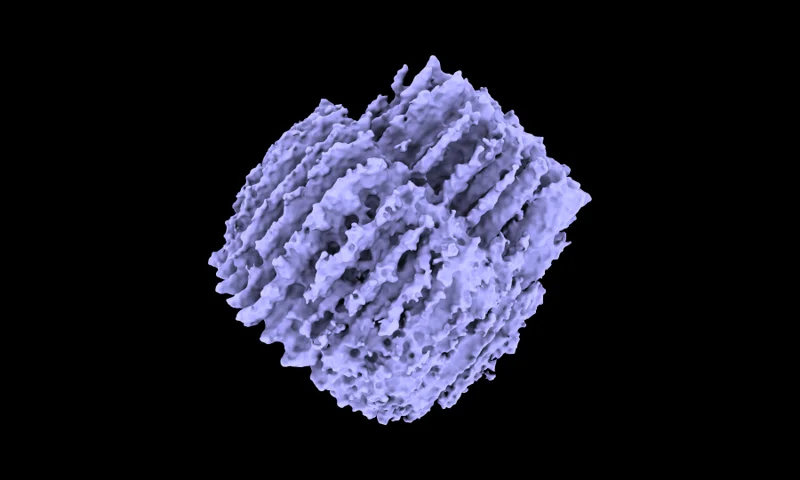
DeepEMhancer is a deep learning approach for automatic post-processing of cryo-EM maps, performing masking and sharpening in a single step to improve interpretability.
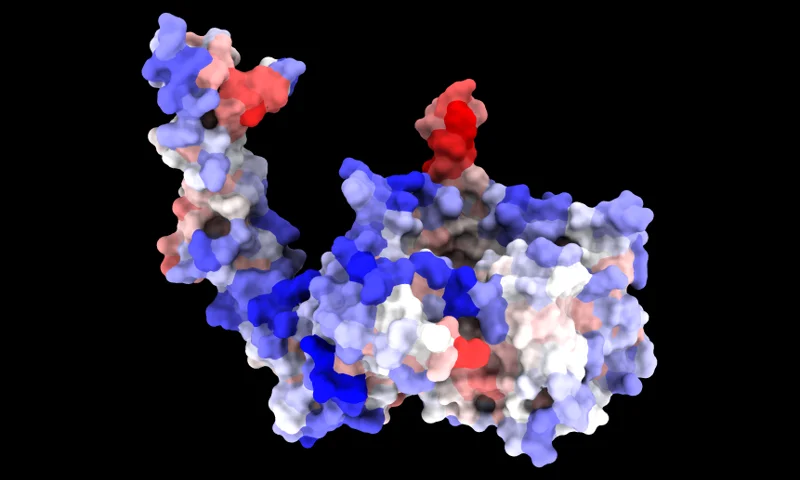
Structure-based aggregation profiling with Aggrescan3D
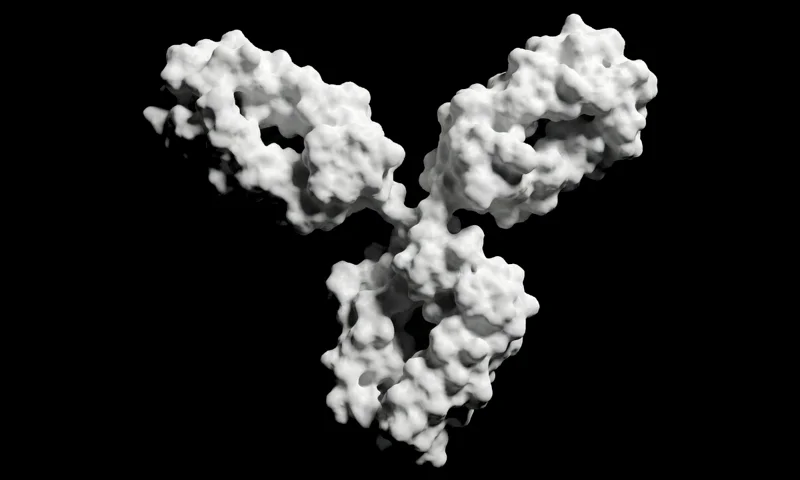
Predict high-concentration monoclonal antibody viscosity classes.
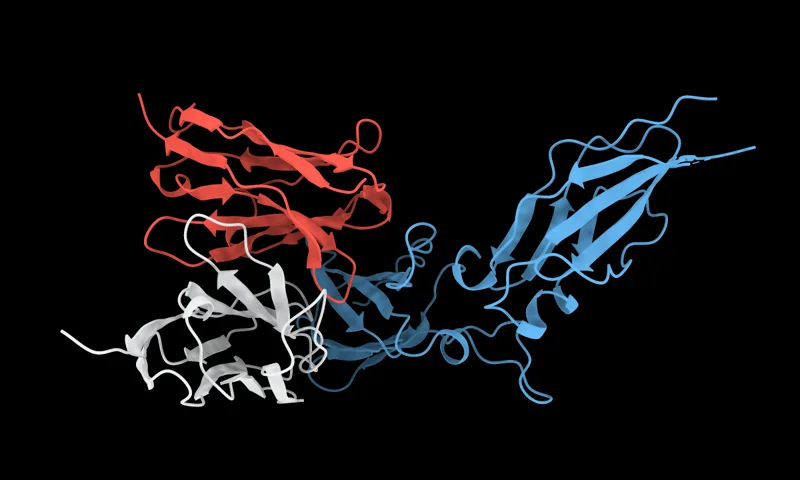
Assess the quality of protein-protein docking models using the native and predicted structure.
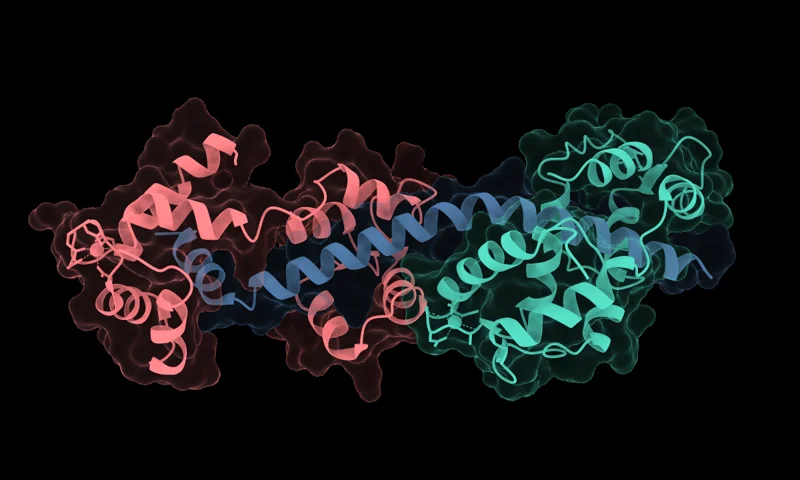
Predict protein stability from structure using ESM-IF.
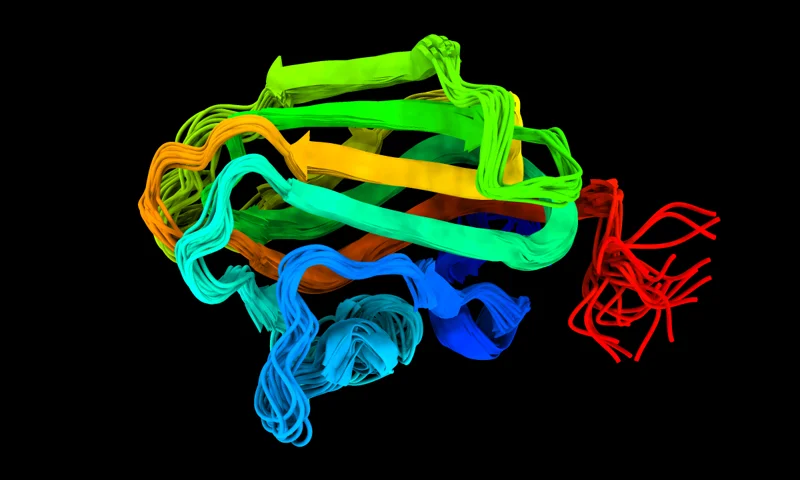
Use the Foldseek easy-cluster algorthim to cluster structures using a representative structure.
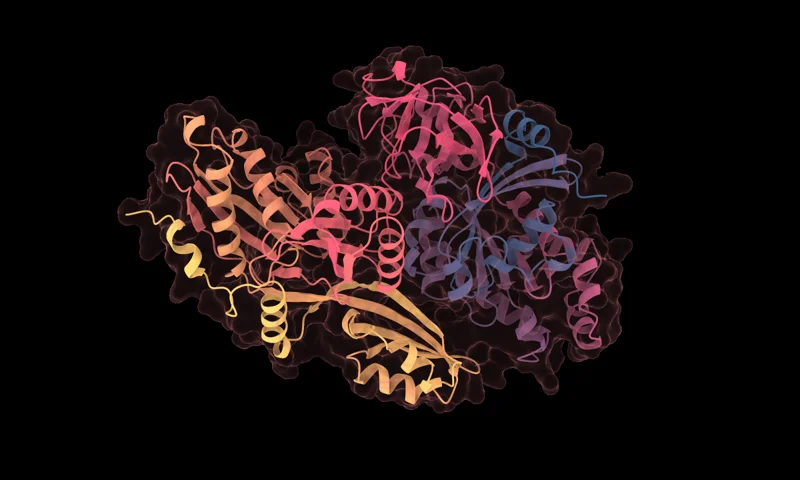
Construct phylogenetic trees from protein structures using Foldseek.
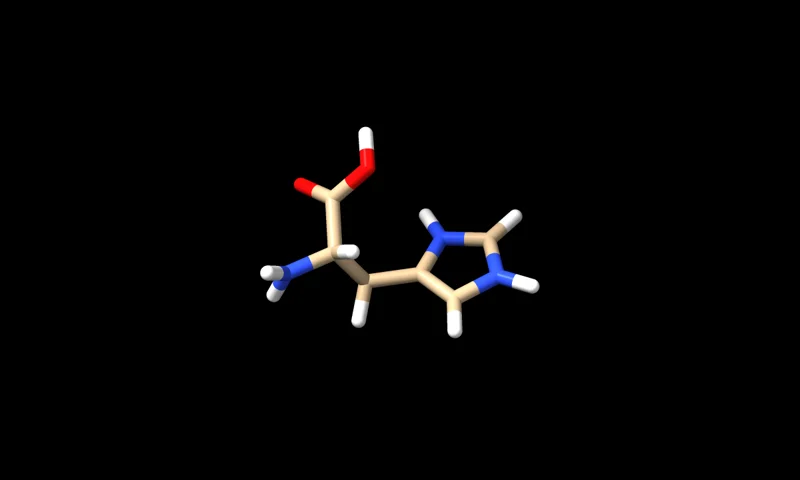
EpHod is a semi-supervised language model that predicts optimal pH for enzymes from sequence alone.
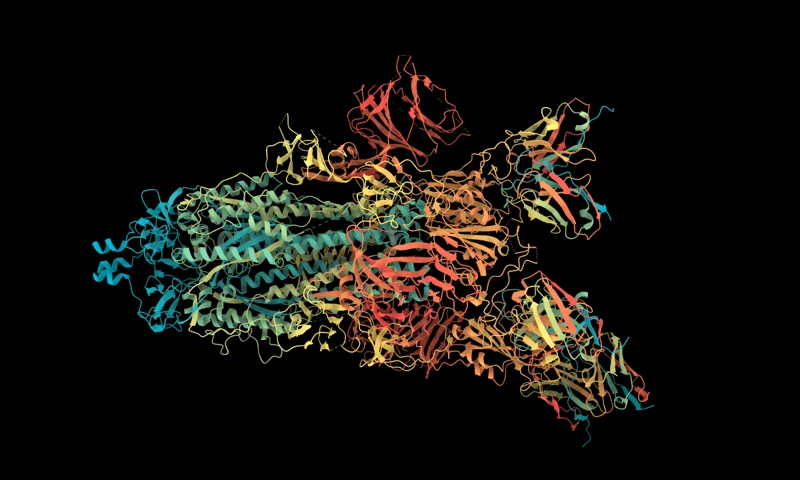
Design Antibodies, Nanobodies, and T-Cell Receptors using Immune Builder's state-of-the-art generative models.
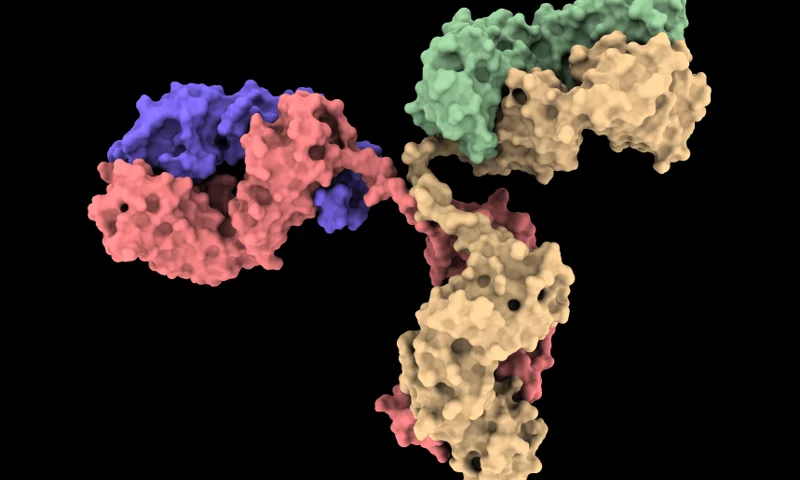
ANARCI provides standardized numbering and chain classification for antibody and TCR domains.
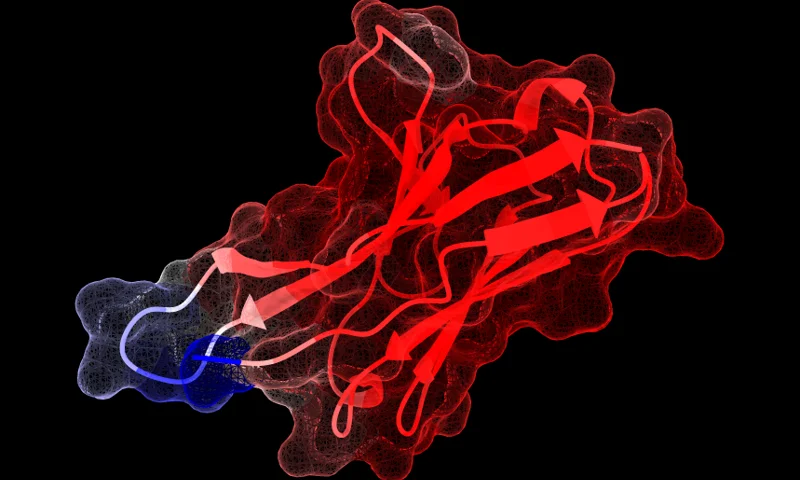
ANARCII is a language model–based tool for scalable, accurate numbering and classification of antibody and TCR repertoires.
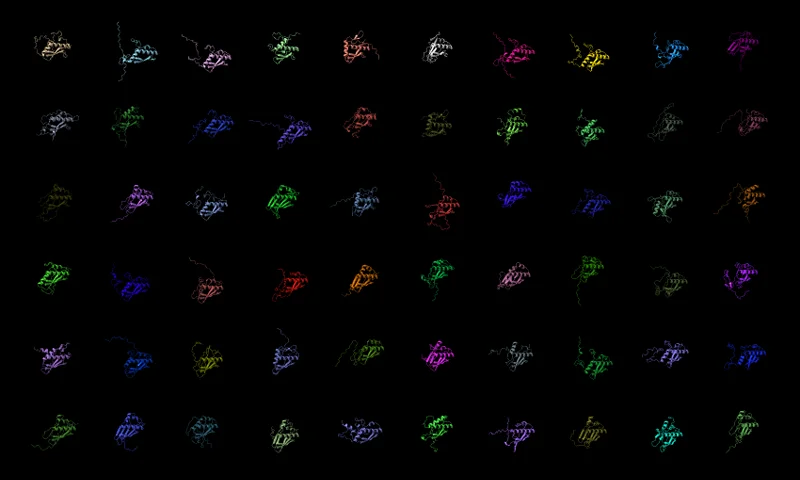
Render animated GIF and MP4 files from multi-model PDB structures.
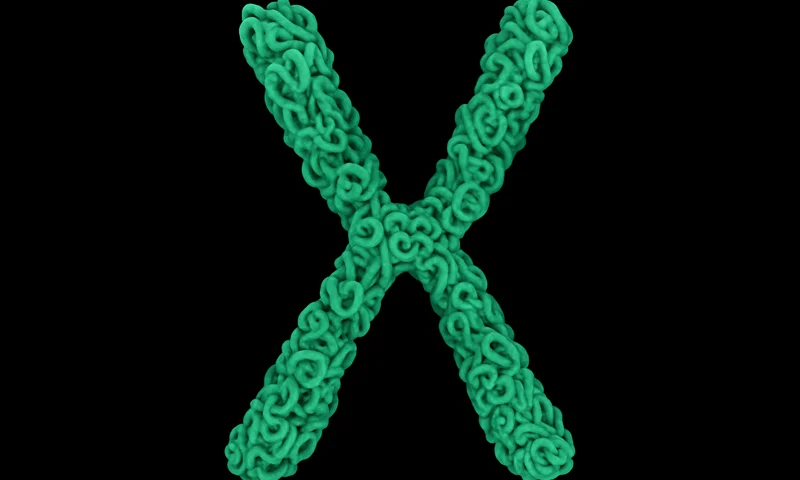
Pangolin is a deep learning model to predict splice site strength and the impact of genetic variants on RNA splicing in multiple tissues.
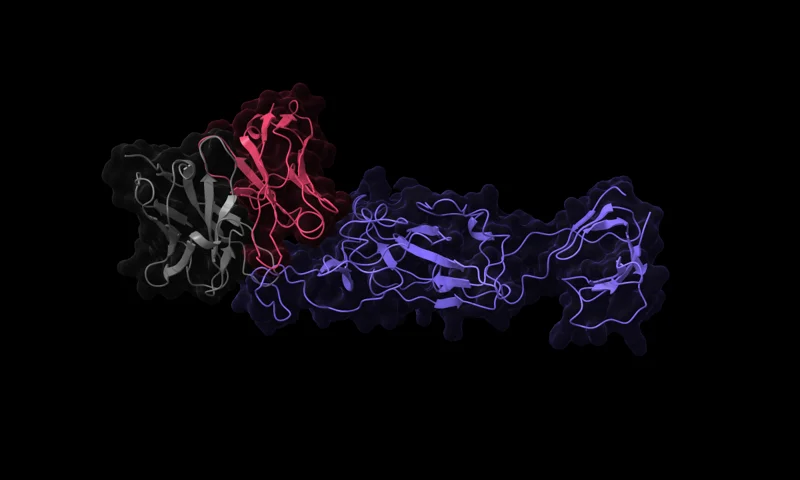
Design Antibodies for a target Antigen using the Antigen structure. DiffAb leverages a probabalistic diffusion model.
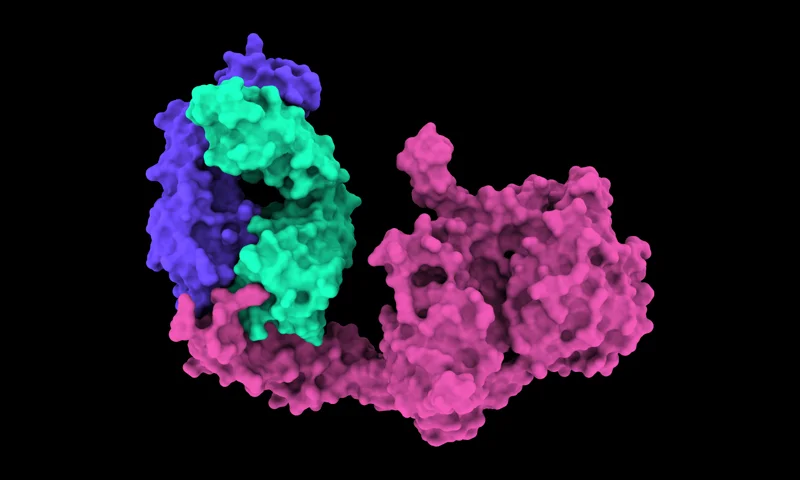
Reconstruct all-atom protein structures from C-alpha or reduced protein PDB models.
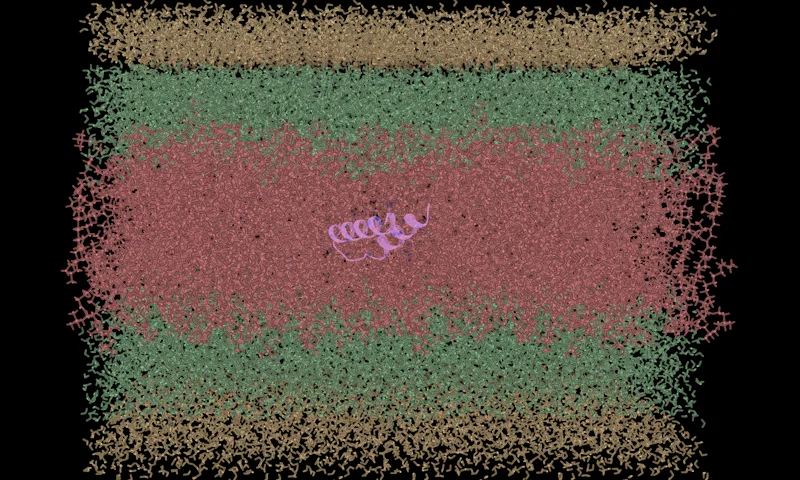
Fix common issues with PDB files such as missing atoms.
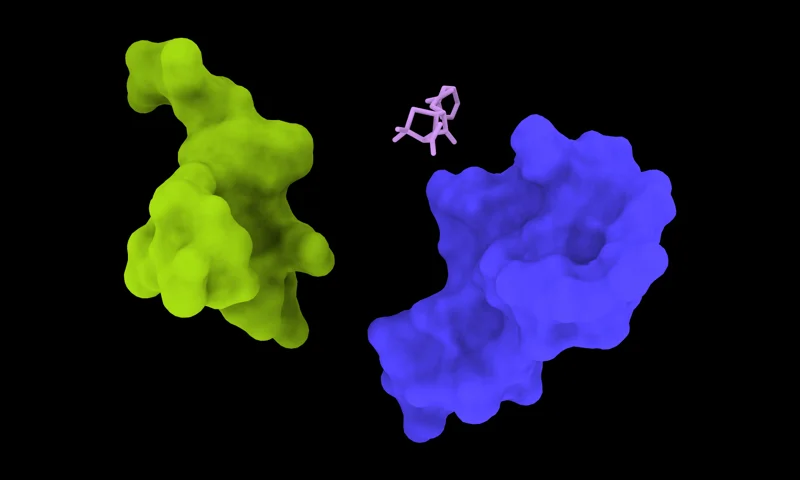
Converts PDB files to CIF / mmCIF files and vice versa
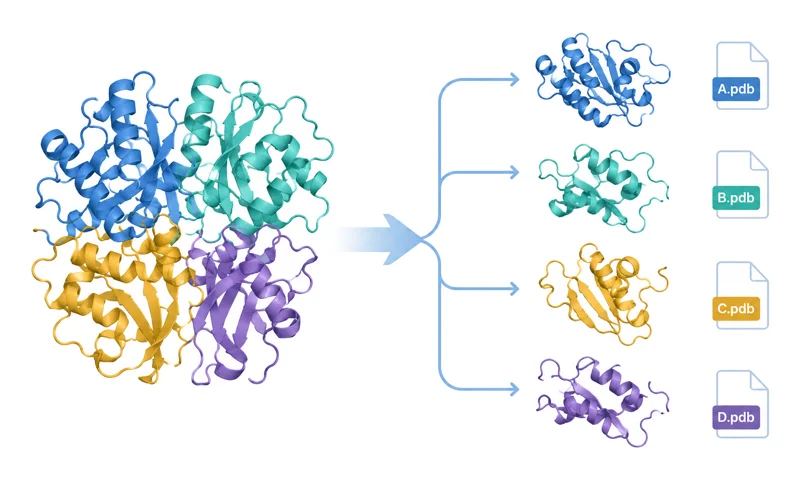
Split one structure into separate chain-level PDB or mmCIF files.
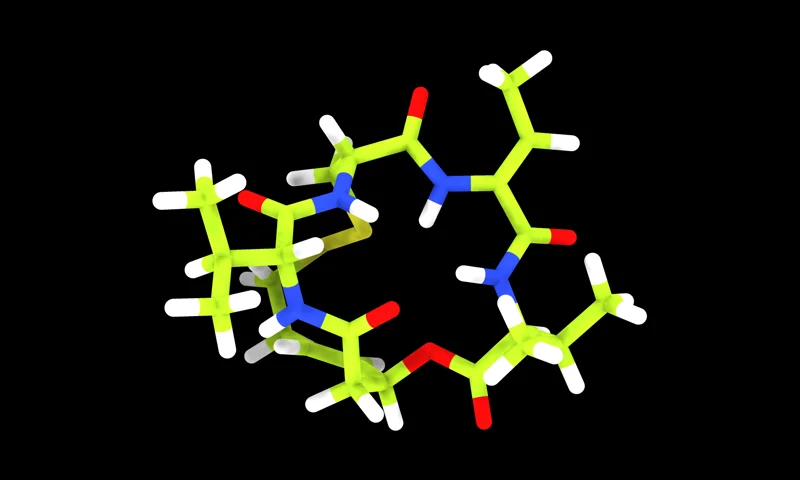
Converts PDB files to SDF files and vice versa
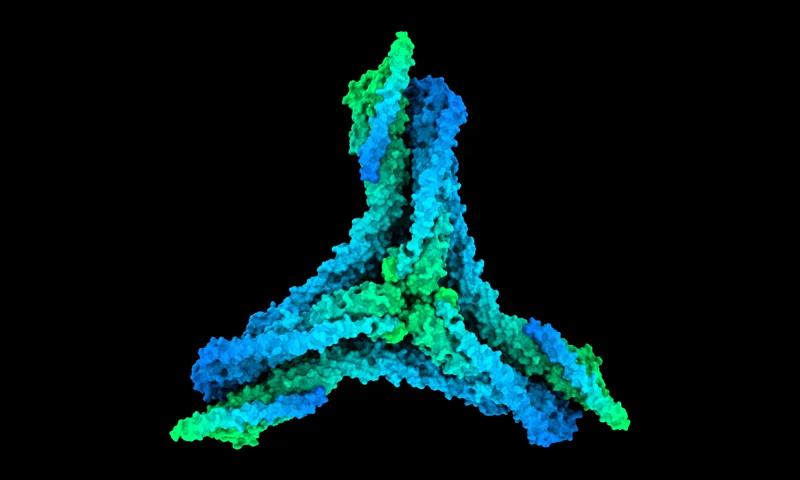
PDB2PQR converts PDB files to PQR format, adding missing atoms and assigning charges for electrostatics calculations.
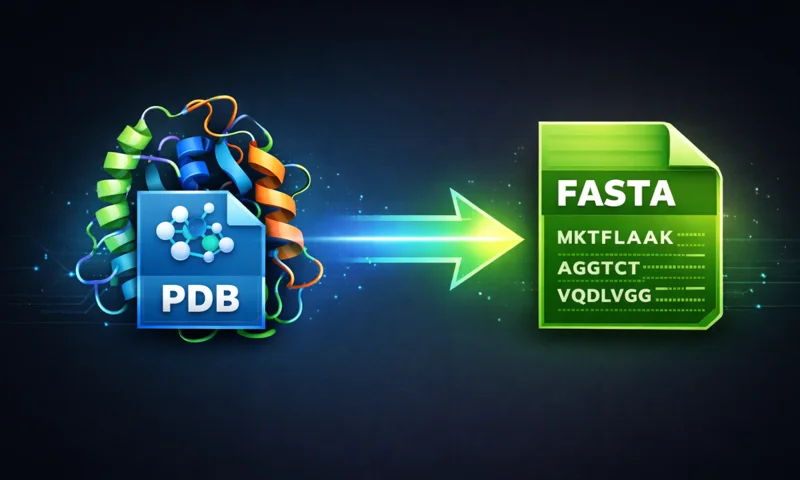
Convert a PDB structure into FASTA sequences for each valid protein chain.
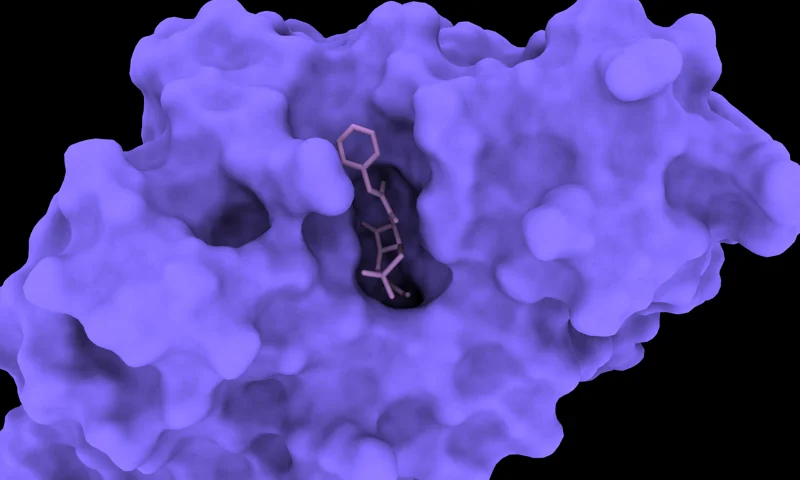
An enhanced fork of AutoDock Vina offering customizable scoring functions, improved sampling, and better performance for molecular docking simulations.
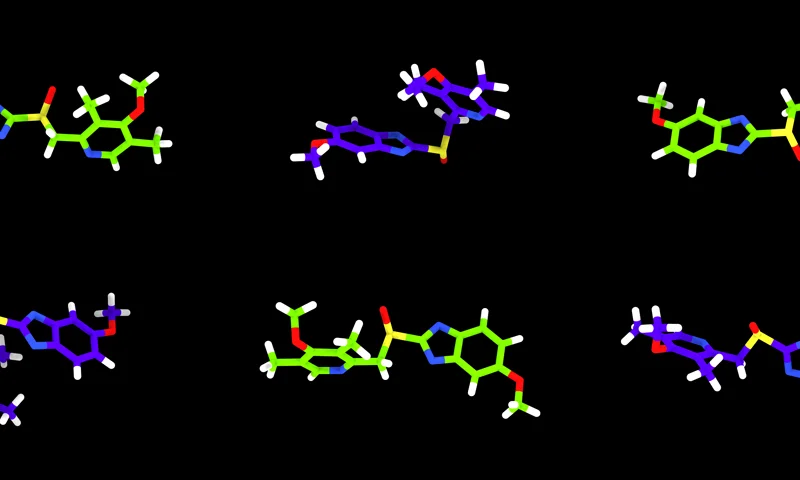
Generate conformers for small molecules and ligands using RDkit.
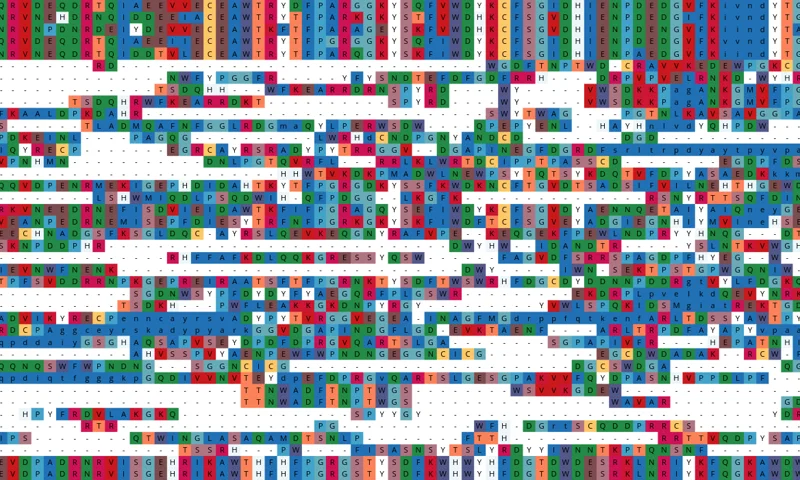
Rapidly generate diverse and quality MSAs with support for various pairing modes.
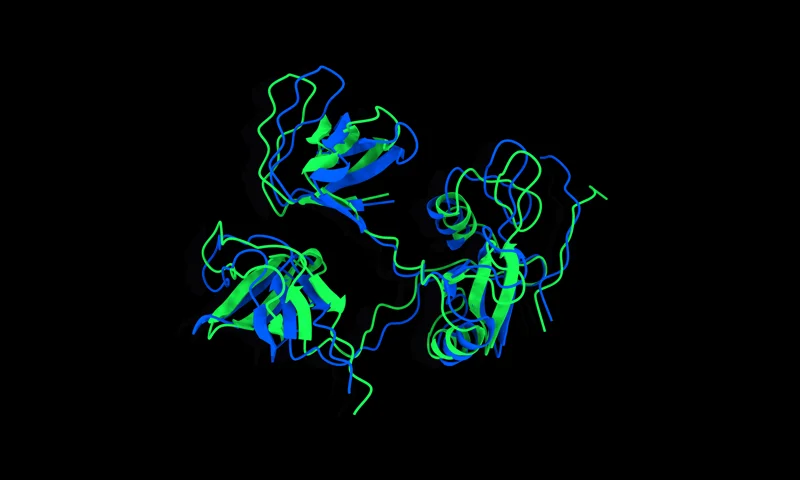
Align uploaded biomolecular structures to a shared reference while preserving complete complexes.
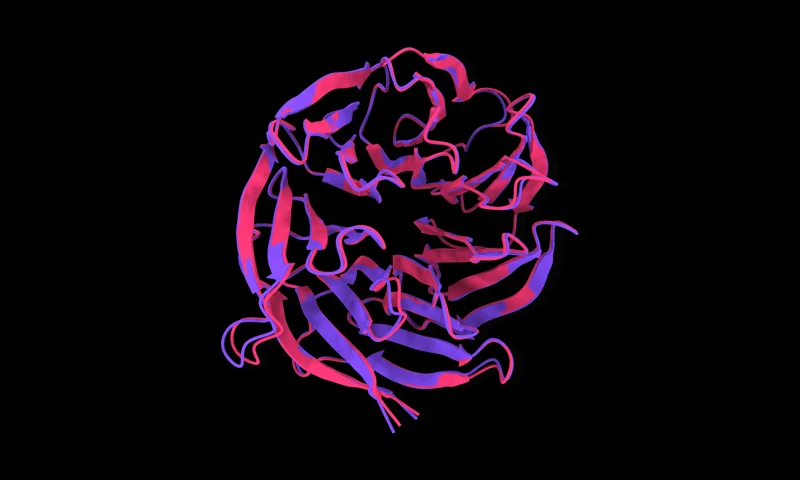
Calculate all-against-all backbone RMSD values between reference and mobile structure groups.
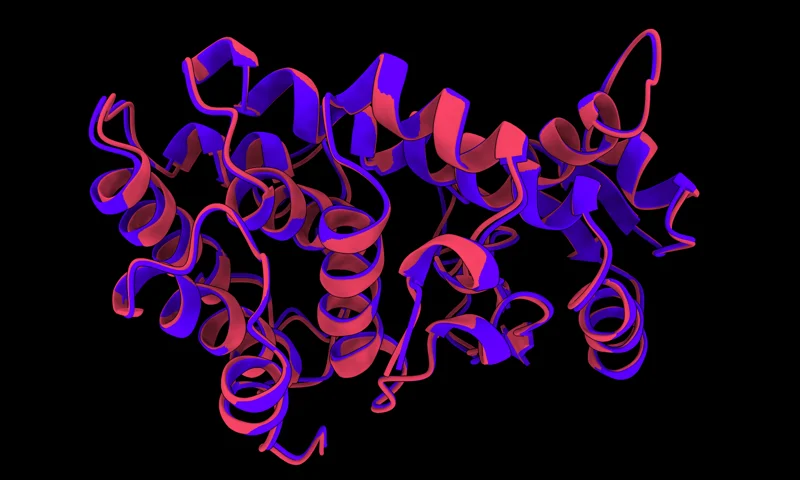
Efficiently produce accurate 3D structural alignments across diverse macromolecular forms and configurations
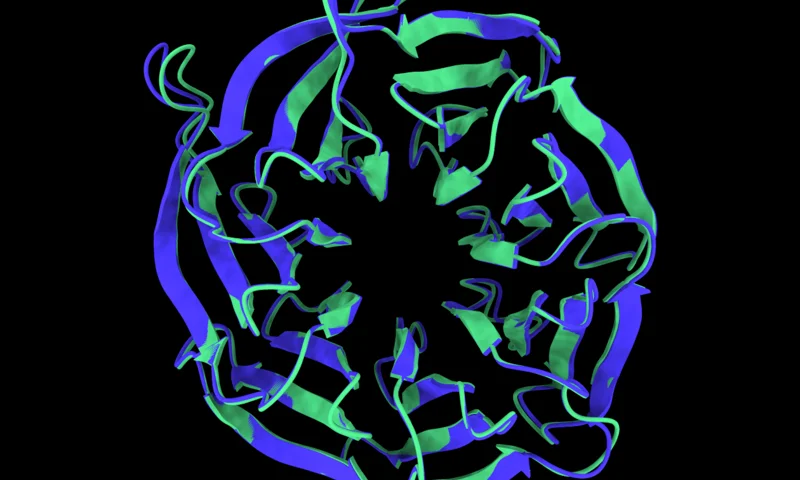
Evaluate protein structure quality with a superposition-free local distance difference score
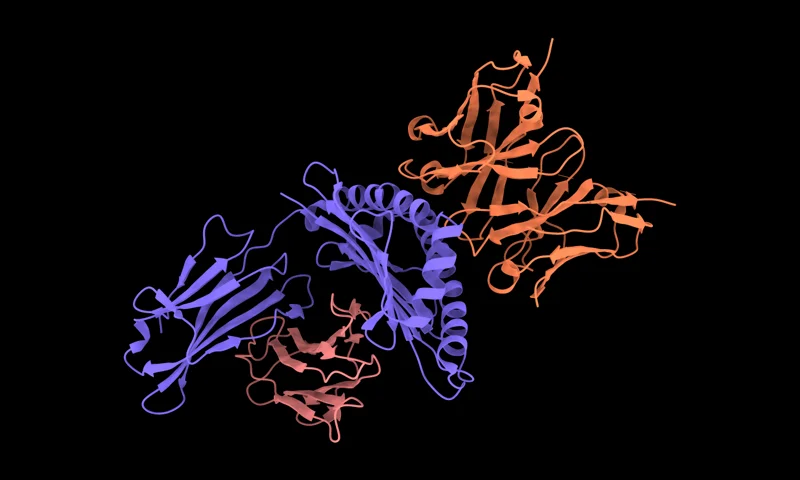
Fast & accurate deep learning model for predicting binding ∆∆G using folding energy principles and a ProteinMPNN-based inverse folding framework.
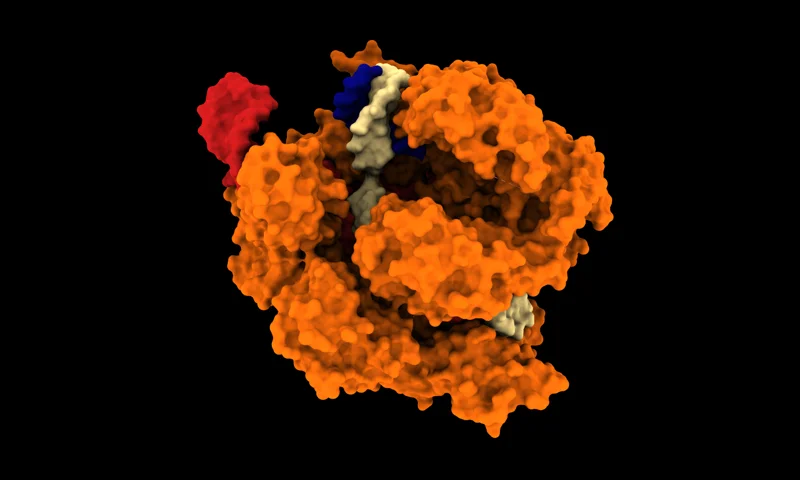
Machine learning models to predict SpCas9 PAM preference from amino acid sequence.
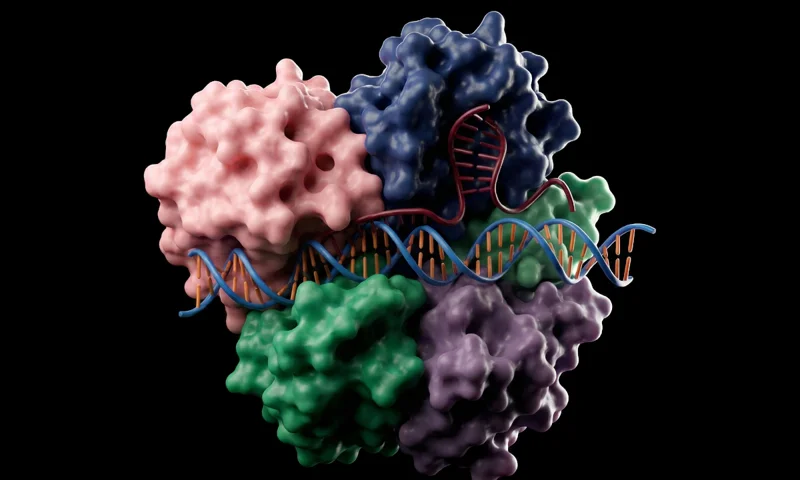
Evolve SpCas9 PAM preference using evolutionary algorithms.
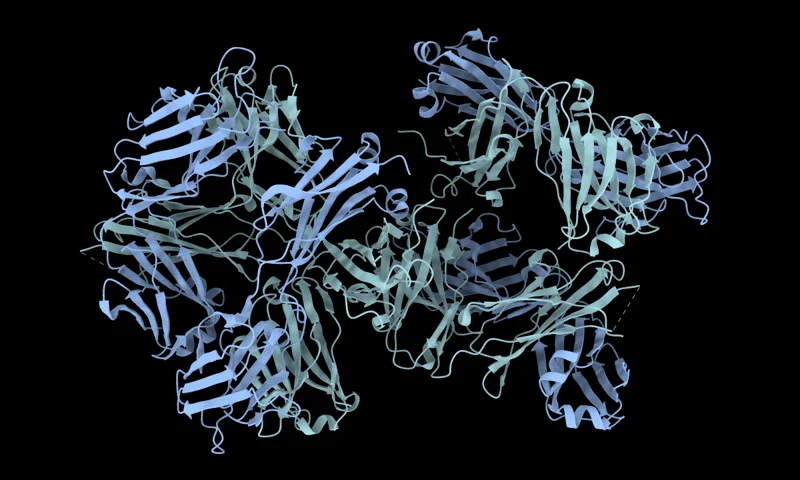
Predict alternative sequences for an input Antibodies, Nanobodies, and Antigen-Antibody structures with high accuracy.
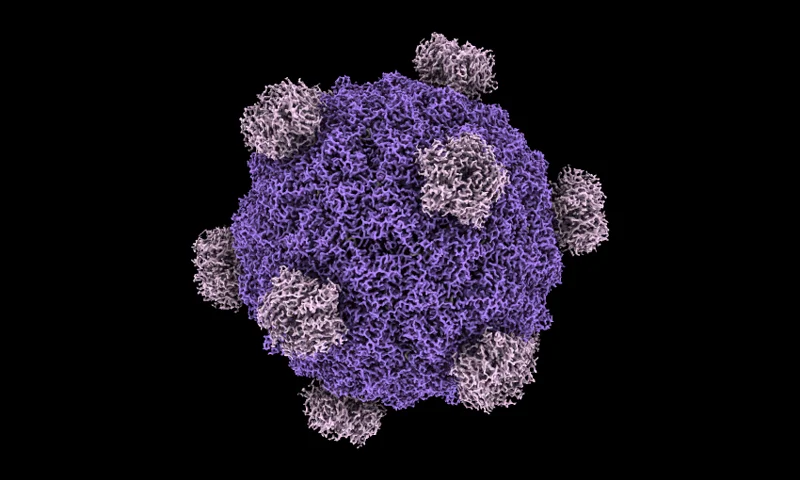
CryoSAMU enhances intermediate-resolution cryo-EM maps using a structure-aware multimodal U-Net, integrating map features with protein language model embeddings for faster, high-quality results.
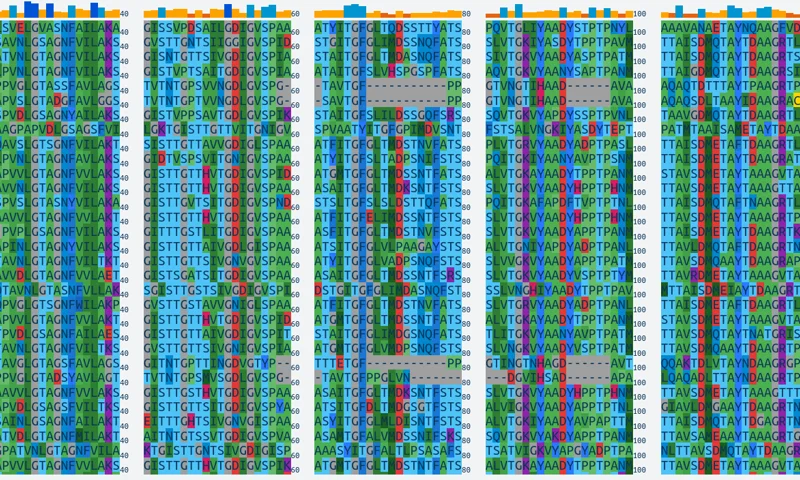
Align protein or nucleotide sequences to a profile HMM with HMMER.
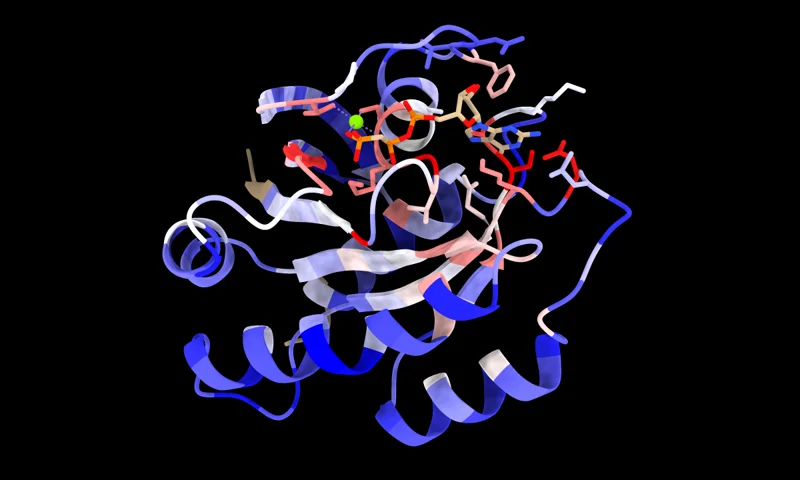
Rapidly generate high-quality multiple sequence alignments for protein sequences.
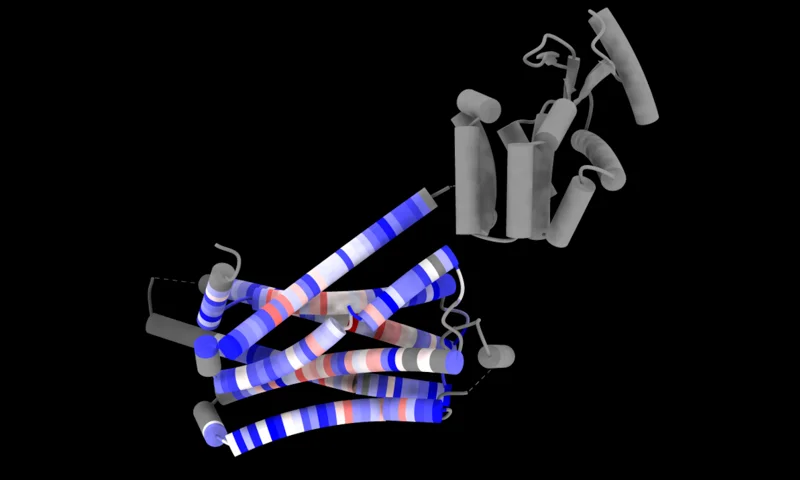
Rapidly generate multiple sequence alignments for protein sequences.
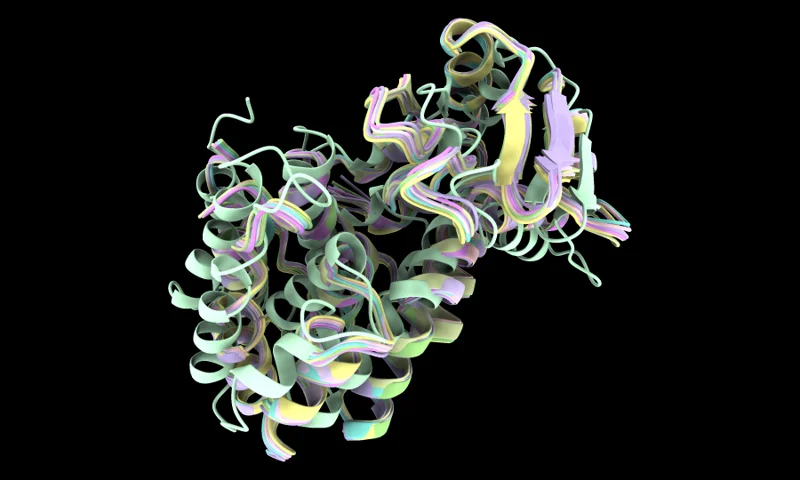
An unsupervised deep learning model for rapid and accurate prediction of protein stability changes upon mutation, based on an improved ProteinMPNN methodology.
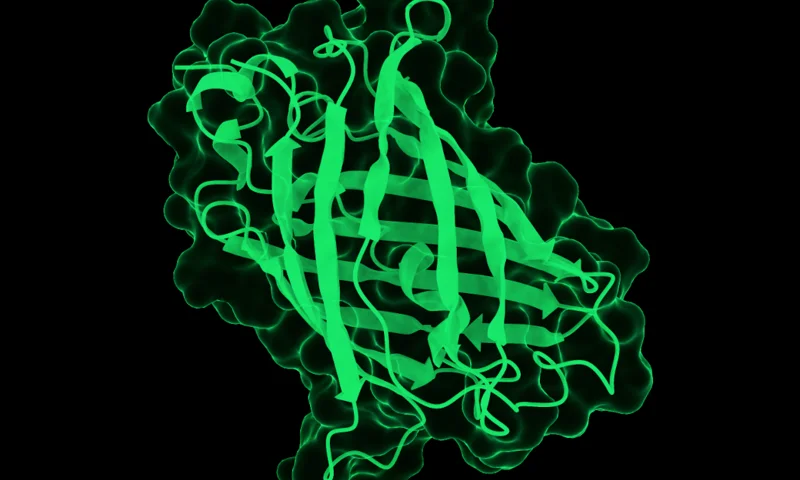
Accurate de novo protein structure prediction without reliance on MSAs.
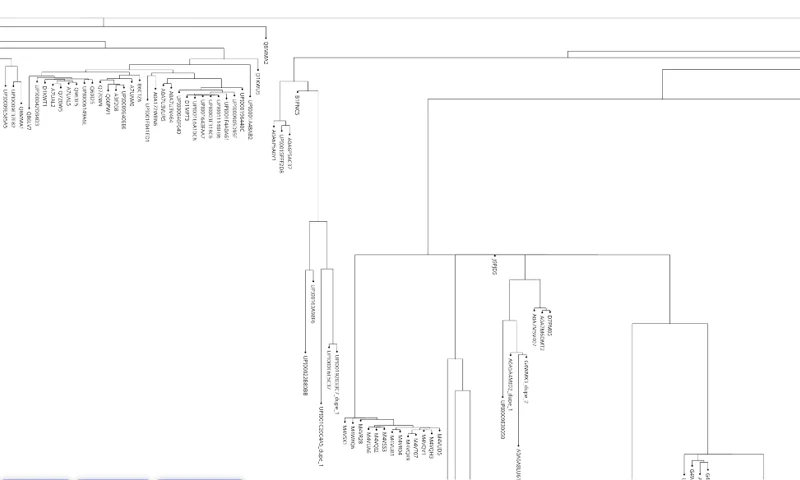
Rapidly infer maximum-likelihood phylogenetic trees for large sequence datasets.
High-throughput descriptor engine for ML-ready molecular fingerprints.
Predict ADMET properties swiftly and accurately using machine learning.
Estimate passive membrane permeability and insertion energy from 3D molecular structure.
Predict Caco-2 and MDCK permeability and efflux from small-molecule structures.
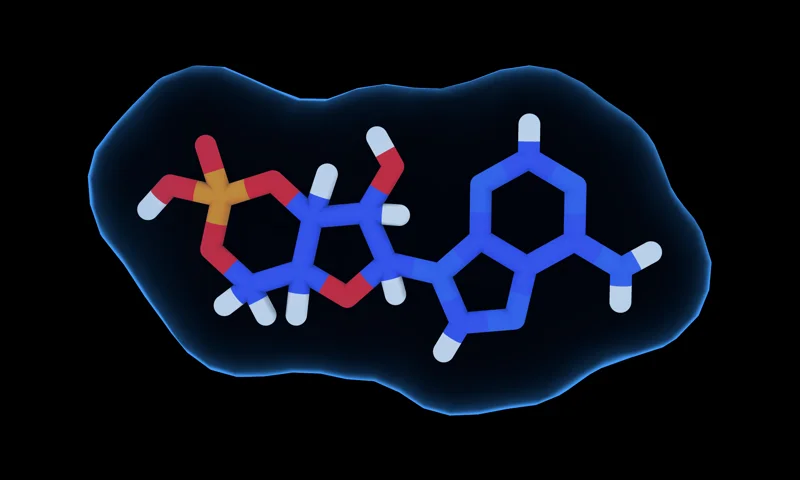
Open-source Chemprop ADMET prediction for small-molecule screening.
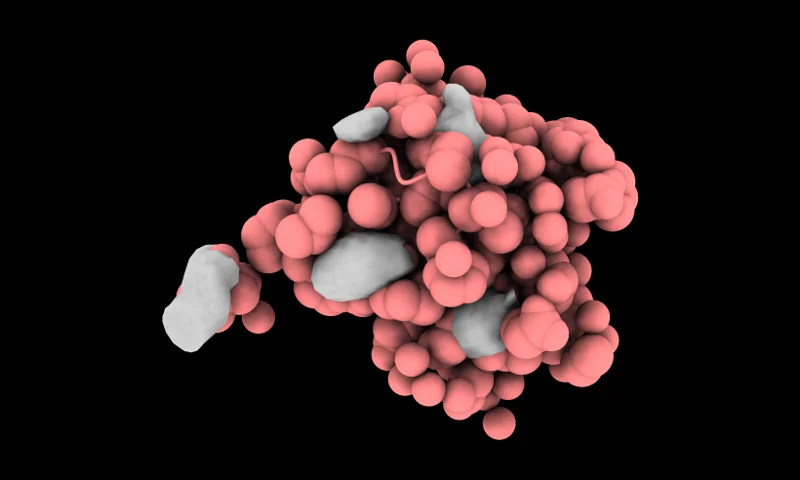
Identify likely metal and water binding sites from a protein structure.
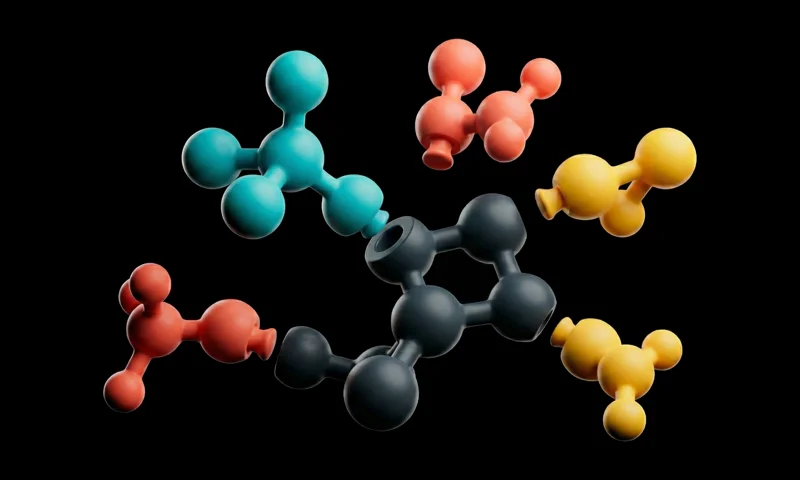
Interpretable R-group SAR modeling and analog prioritization for congeneric small-molecule series.
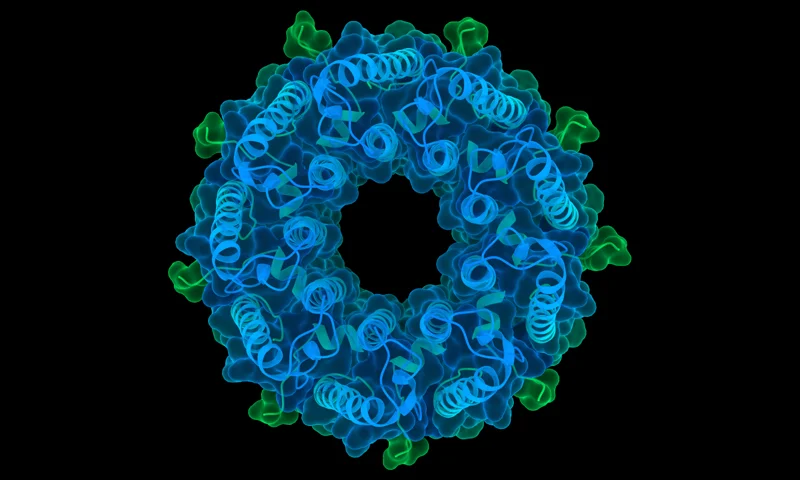
ThermoMPNN Predicts protein stability changes with precision and efficiency for mutation analysis and design.
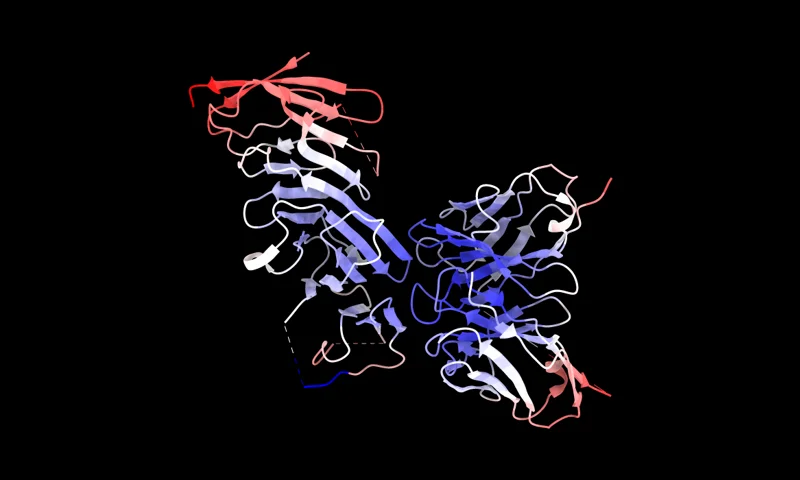
CAR-Toner is an AI tool for rapid prediction of CAR-T tonic signaling by calculating Positively Charged Patch (PCP) scores.
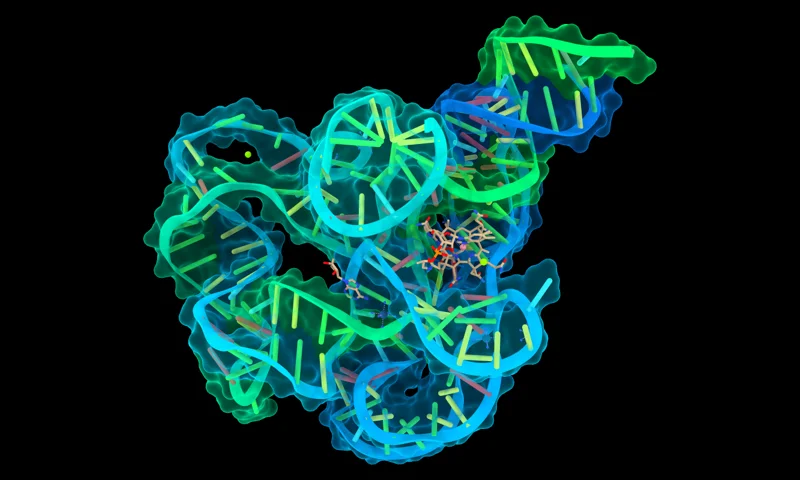
Generates RNA sequences with precise structural fidelity and functional diversity for targeted applications
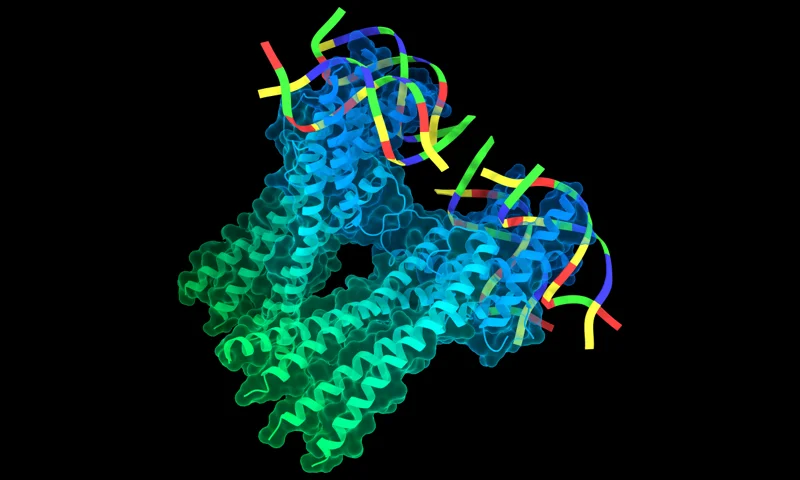
StrucTFactor leverages 3D protein structures for precise transcription factor prediction, outperforming existing methods.
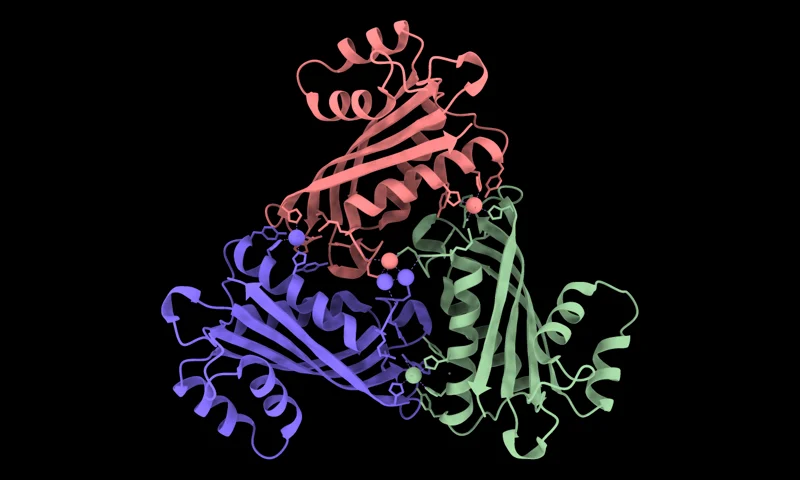
SaProt integrates sequence and structure information through a structure-aware vocabulary to predict protein properties accurately.
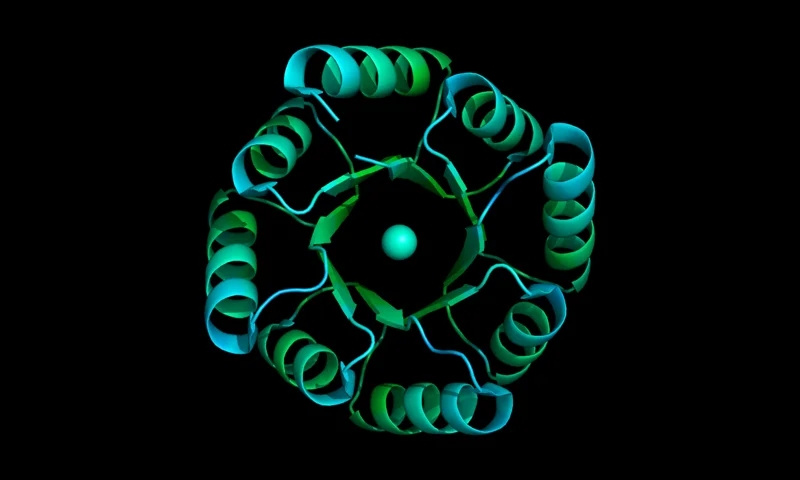
Create protein variants using nothing but the amino acid sequence.
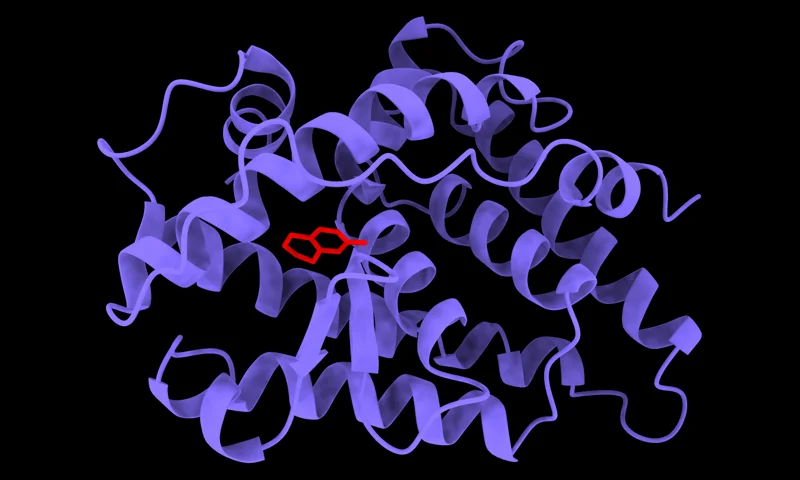
FlowDock predicts protein-ligand structures and binding affinities using geometric flow matching, enabling multi-ligand docking and fast virtual drug screening.
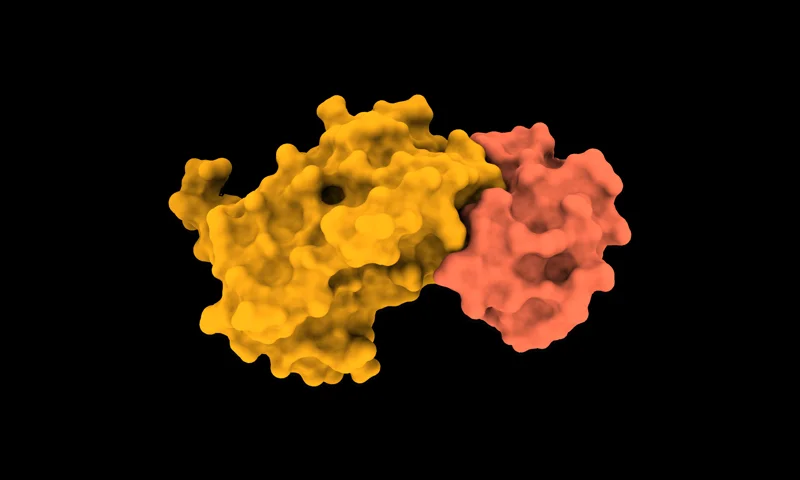
Predict protein-protein interaction probability from paired structures or sequences.
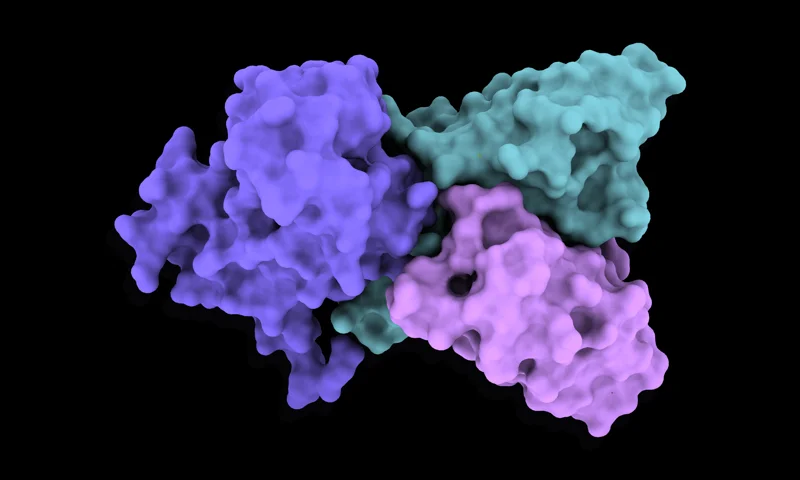
Rank antibody candidates with pretrained AlphaBind, optionally fine-tuned on target-specific measurements.
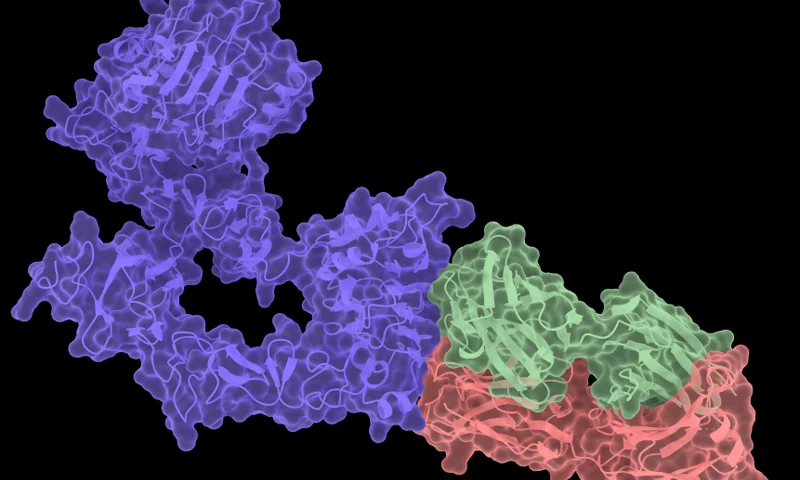
ImaPEp predicts binding probabilities for antibody–antigen pairs by representing their binding interfaces as 2D images and leveraging convolutional neural networks.
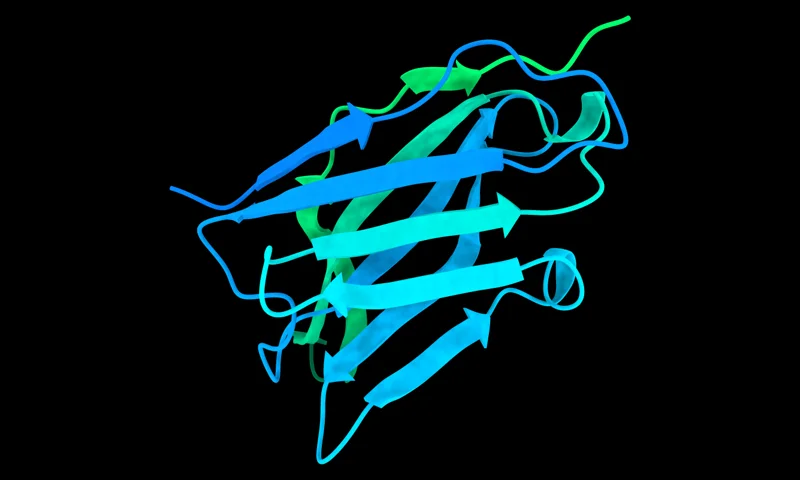
A protein language model-based tool for efficient, task-agnostic design of high-functionality protein variants.
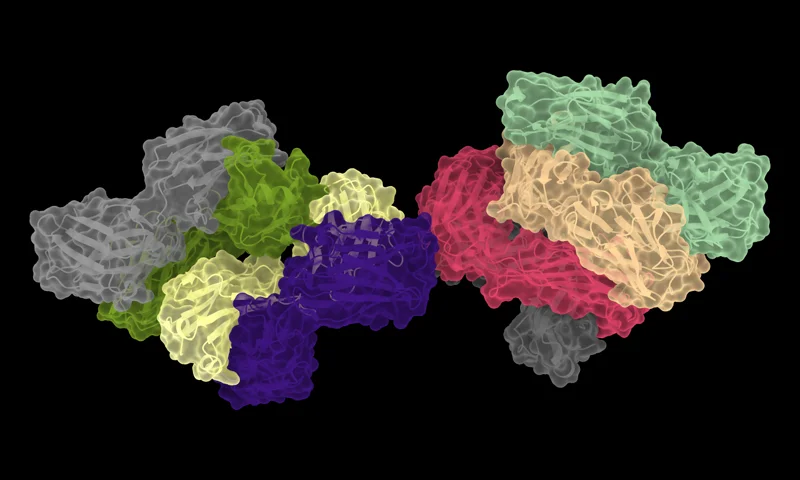
A CNN-based tool for rapid, gene-specific humanization and classification of antibody heavy and light chains.
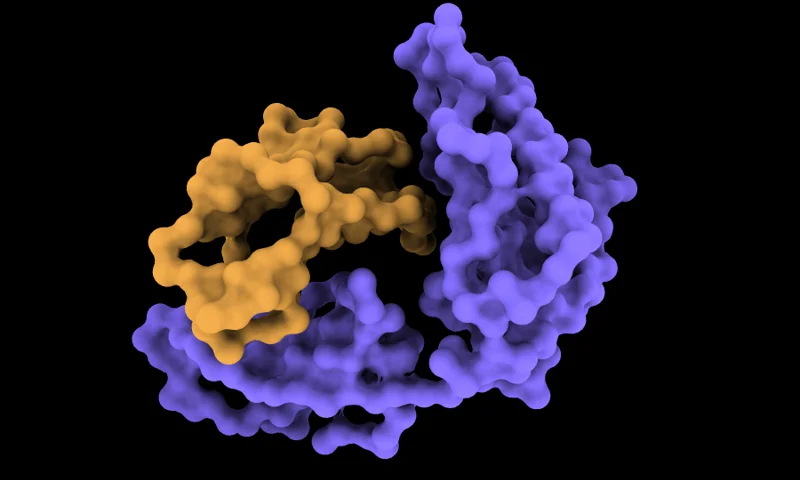
DeepImmuno is a CNN-based model for peptide immunogenicity prediction with state-of-the-art accuracy across viral and cancer datasets.
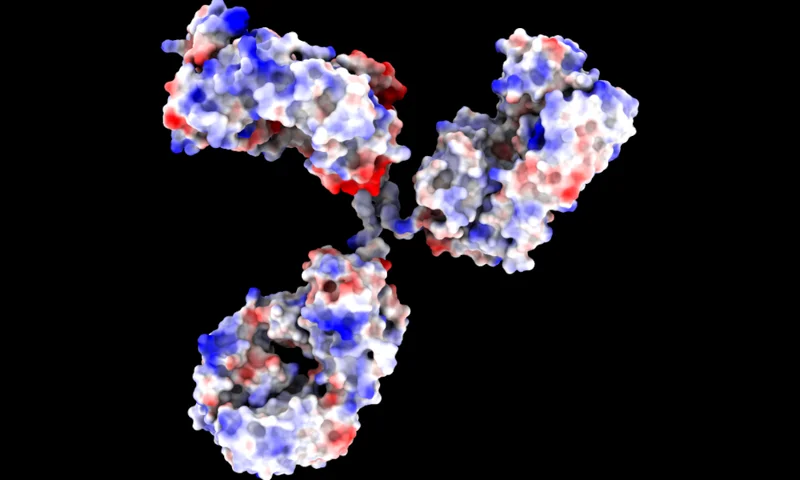
AI-driven antibody humanization + humanness scoring from natural repertoire data.
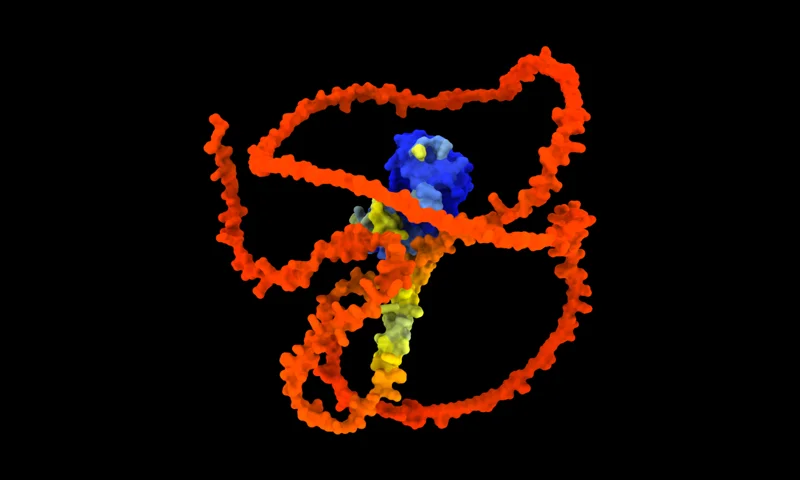
Efficiently annotate disordered protein regions with a compact language model.
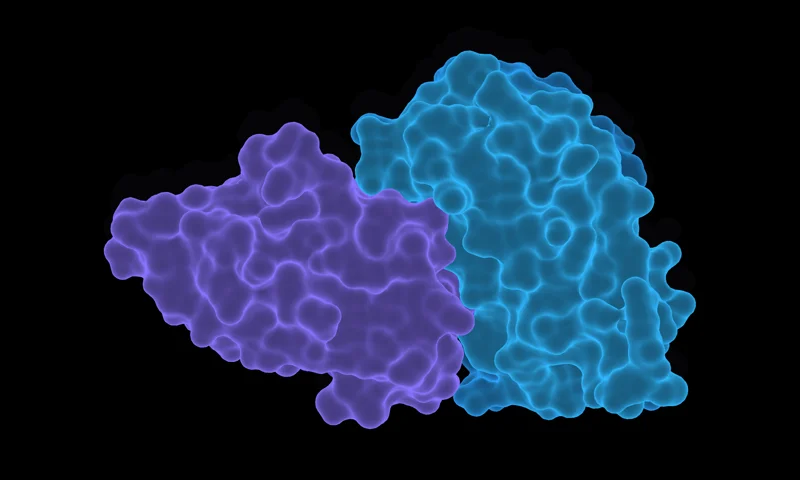
Analyze IDR molecular grammar features and GIN clusters from human IDs or custom IDR sequences.
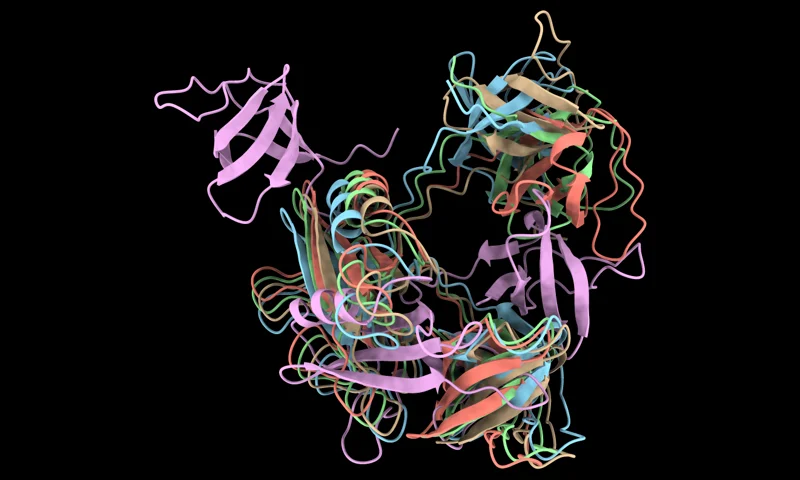
ProSST predicts protein mutation effects and functions by integrating sequence and structural data via quantized tokens and disentangled attention.
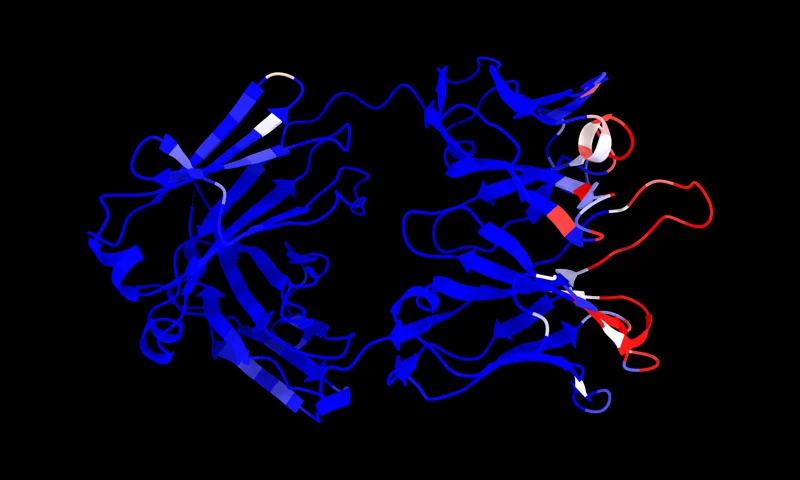
ParaSurf is a deep learning framework that predicts paratope binding sites by analyzing molecular surfaces of antibodies/nanobodies to identify antigen-binding regions across the entire Fab/Fv domain.
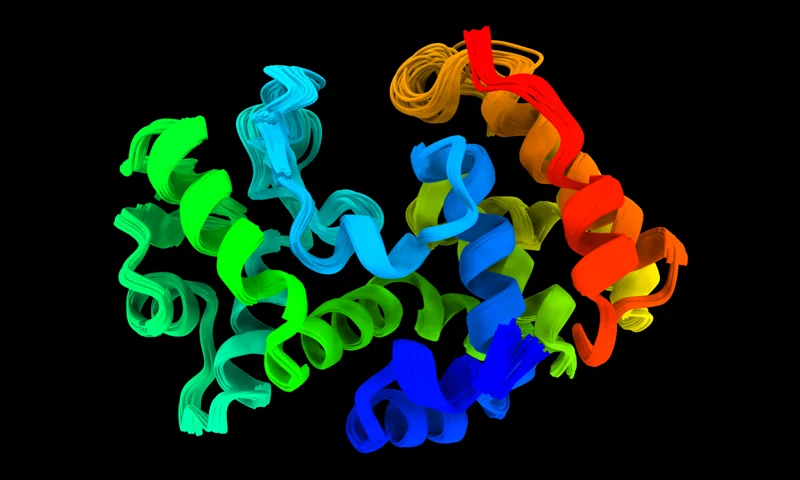
Protein structure clustering and visualization tool using TM-align/US-align structural alignment and dimensionality reduction techniques (UMAP, t-SNE, PCA).
Fast structure similarity search across AlphaFold DB.
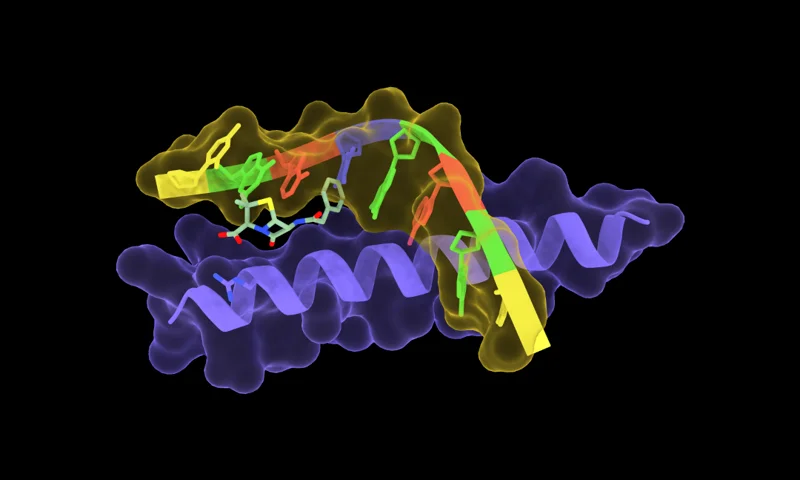
An open-source version of AlphaFold3 developed by an MIT lab.
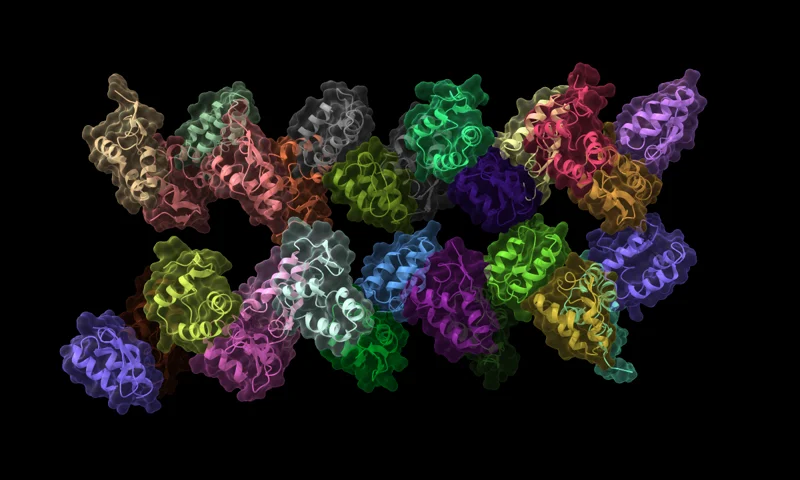
Use ABACUS-R to design protein sequences for a given backbone structure using an encoder-decoder model.
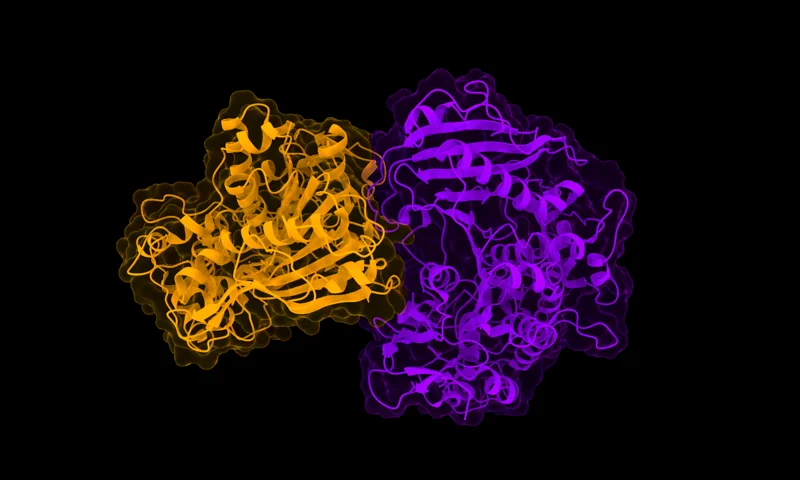
Optimize enzyme thermostability, pH stability, solubility, and reaction rate with high accuracy.
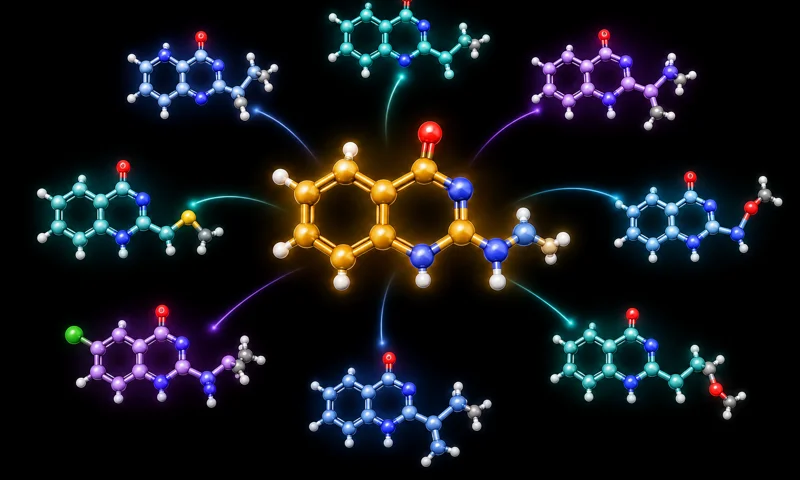
Find structurally similar compounds in PubChem from SMILES, SDF, or CCD queries.
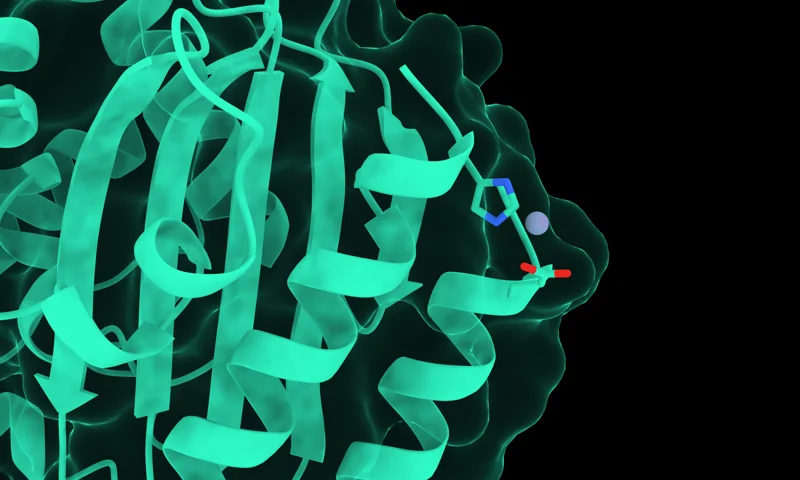
Predict zinc-binding sites from an uploaded protein structure.
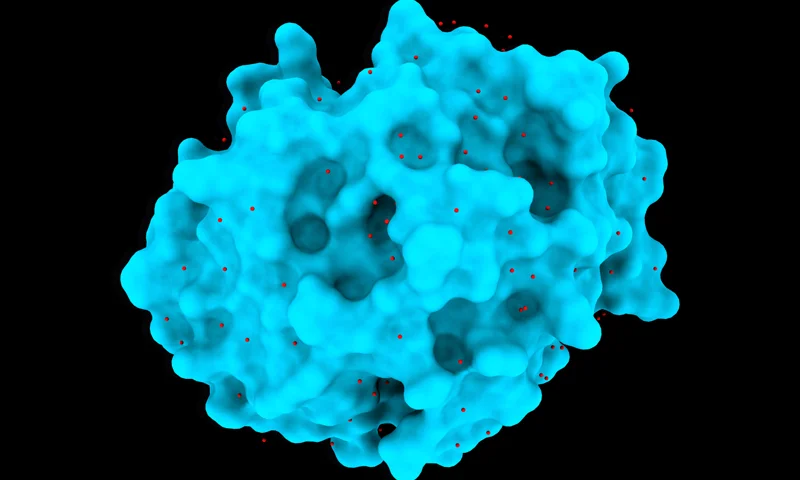
Predict protein surface hydration waters from uploaded PDB or mmCIF structures.
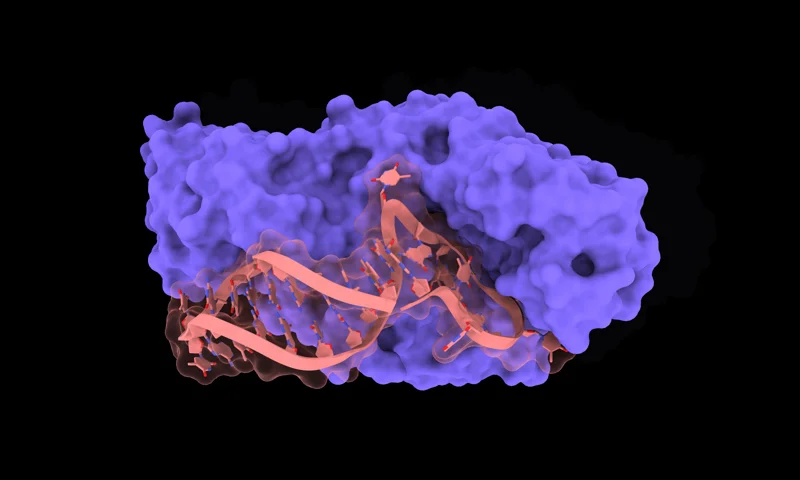
Calculate interface confidence metrics from a structure and PAE matrix.
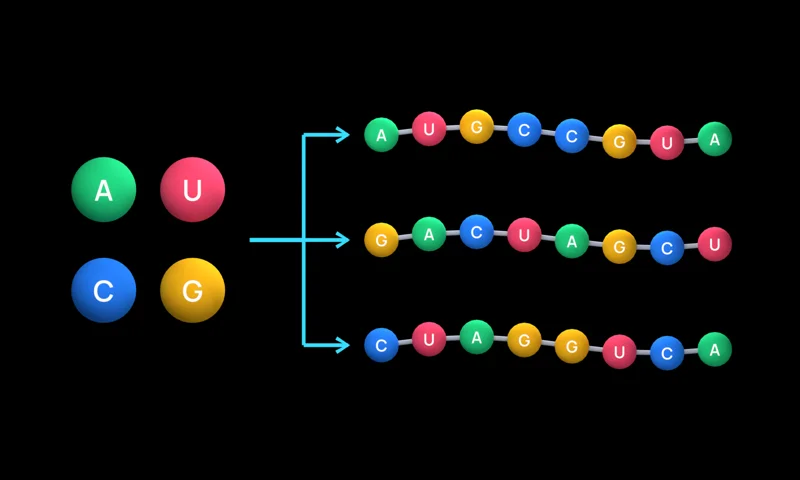
Generate customizable RNA sequences in FASTA format.
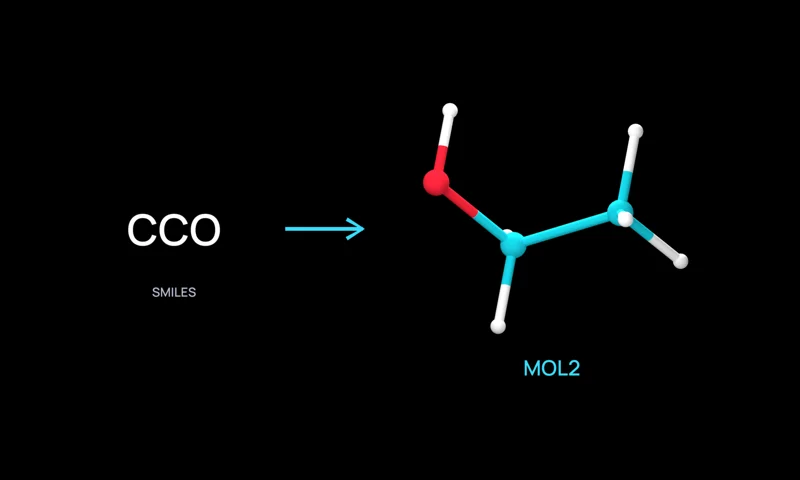
Generate bulk 3D MOL2 structures from SMILES.
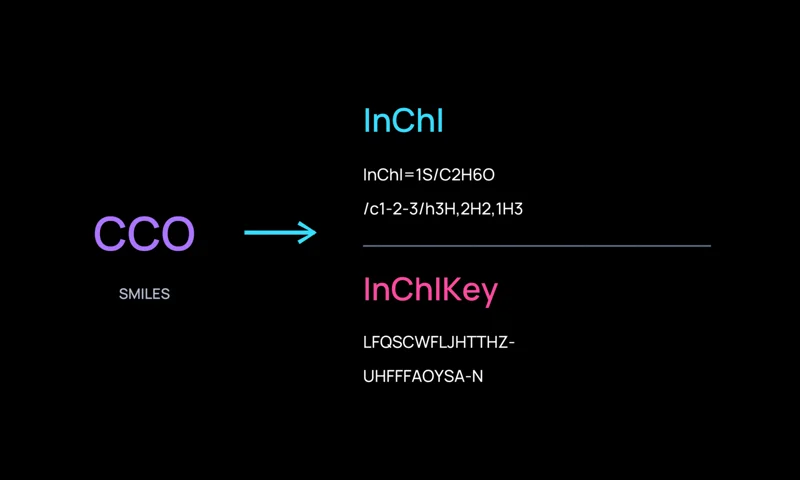
Convert bulk SMILES to standard InChI and InChIKey.
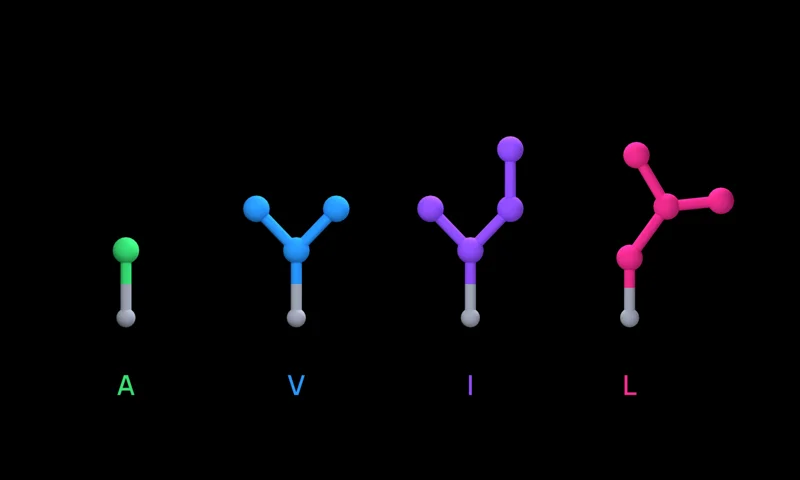
Compare the aliphatic index of protein sequences.
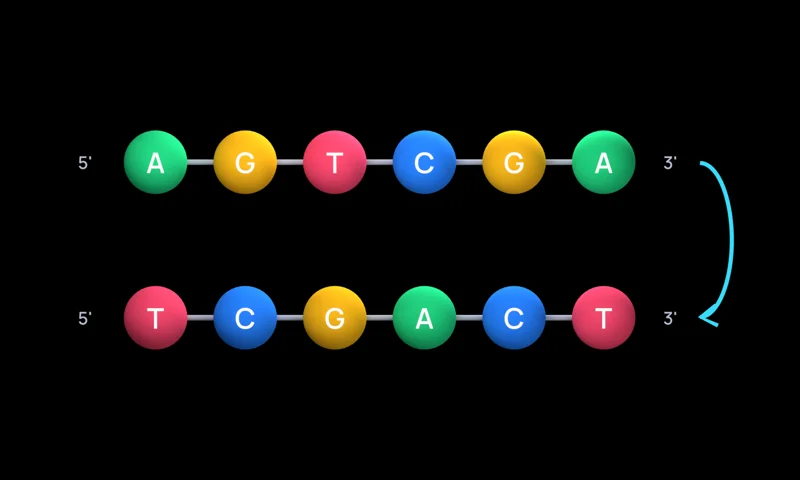
Convert DNA and RNA strands from text, FASTA, or FASTQ.
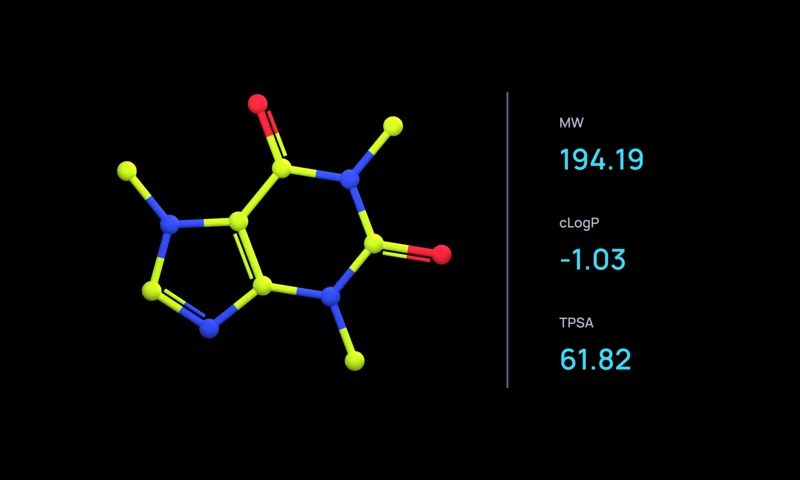
Calculate common molecular properties for small molecules.
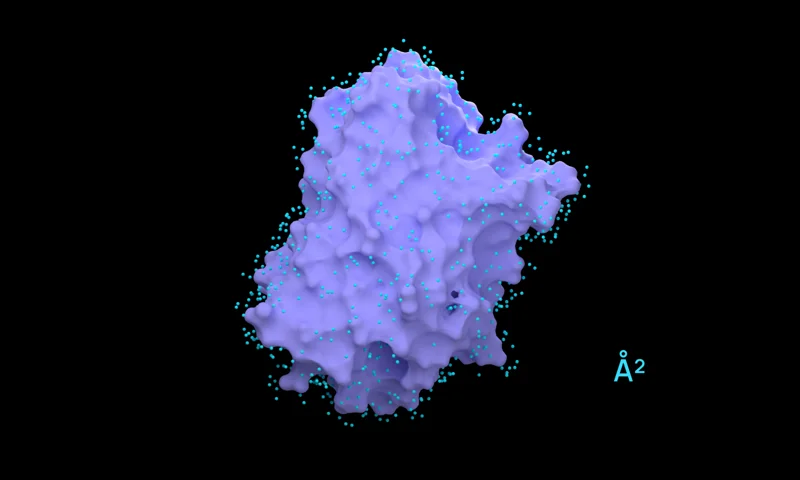
Measure protein surface exposure by structure, chain, and residue.
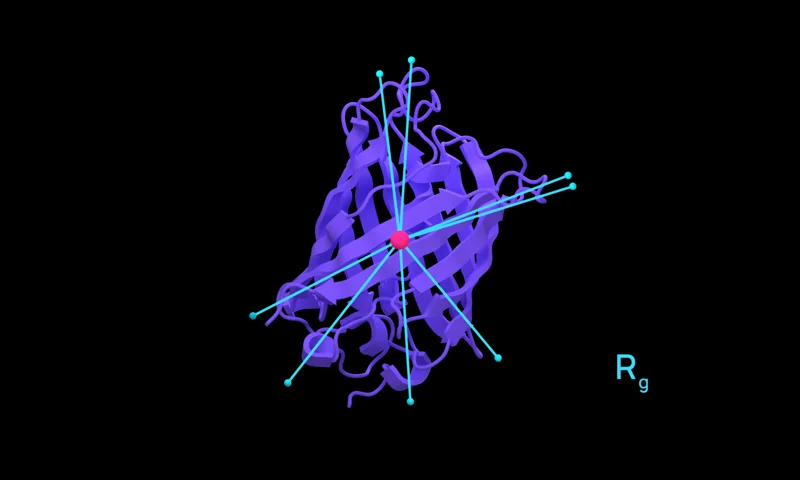
Measure protein compactness for a structure or selected chains.
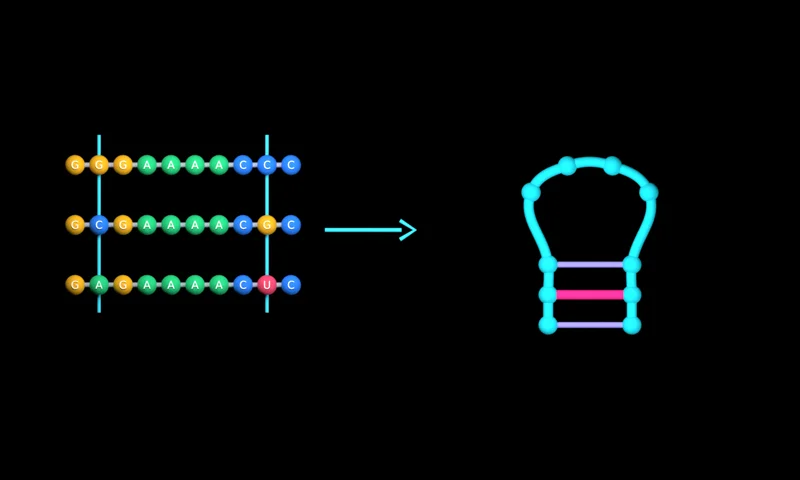
Predict a consensus RNA secondary structure and free energy from a prealigned RNA multiple-sequence alignment.
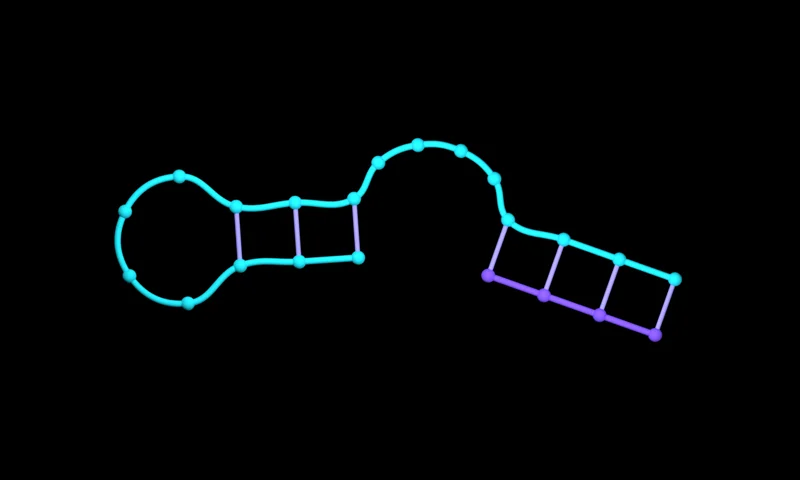
Predict the minimum-free-energy structure of two interacting RNA strands.
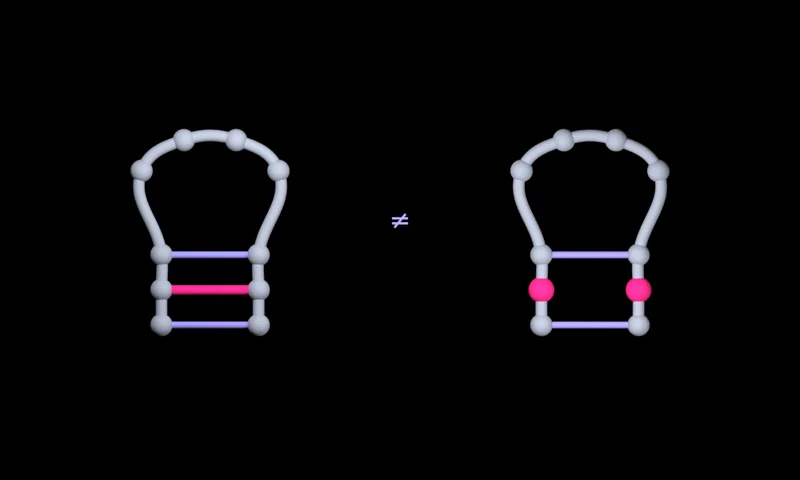
Compare RNA secondary structures using tree, string, or base-pair distance measures.
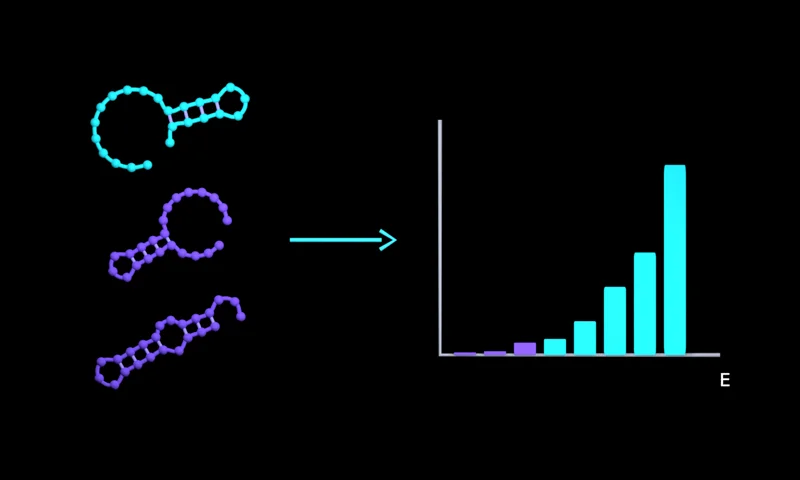
Count RNA secondary structures across discrete energy bands.
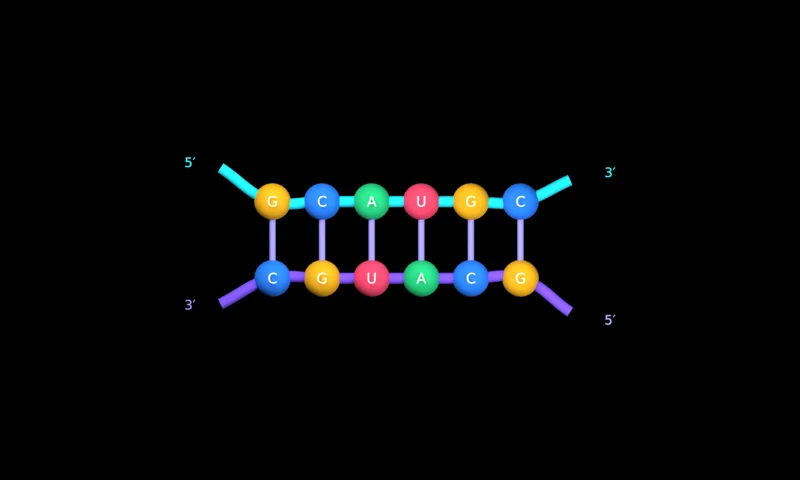
Find optimal RNA-RNA hybridization duplexes and their binding energies.
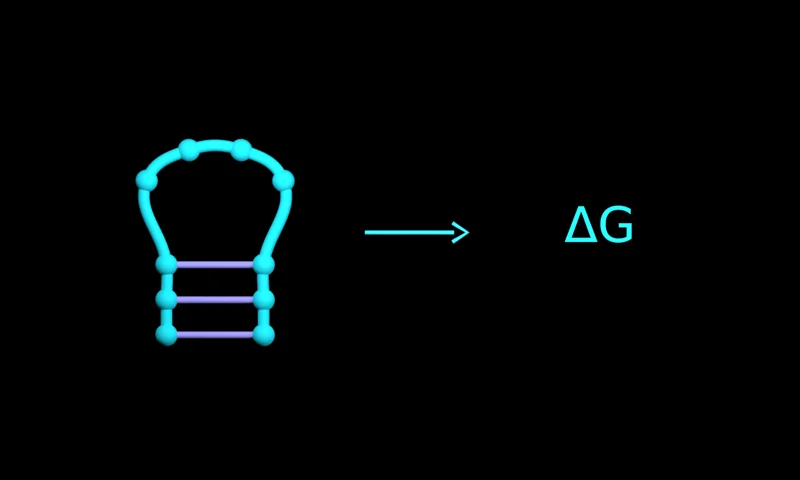
Evaluate the free energy of a supplied RNA sequence and secondary structure.
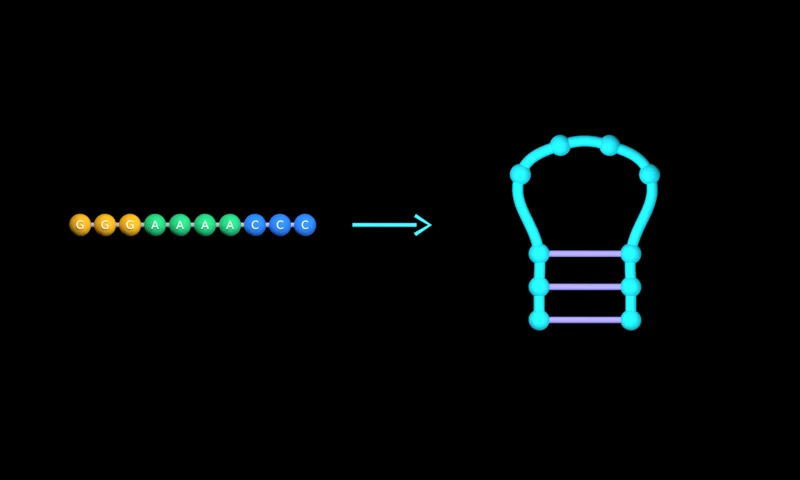
Predict RNA minimum-free-energy structures and optional base-pair probabilities.
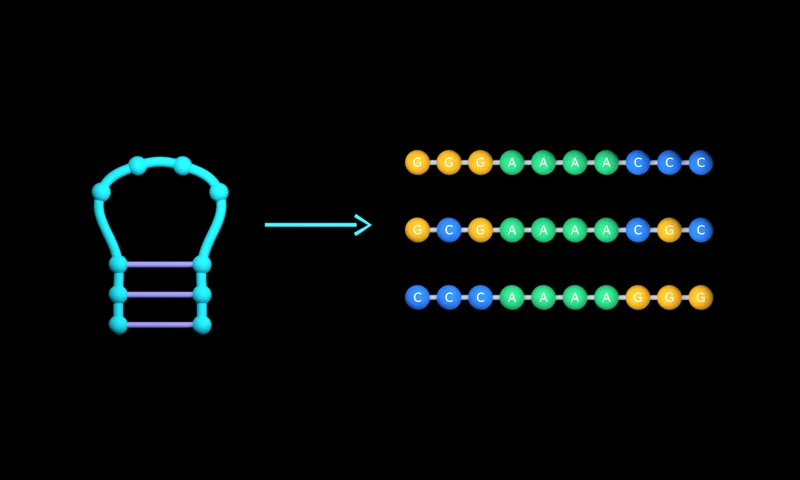
Design RNA sequences that fold toward a specified secondary structure.
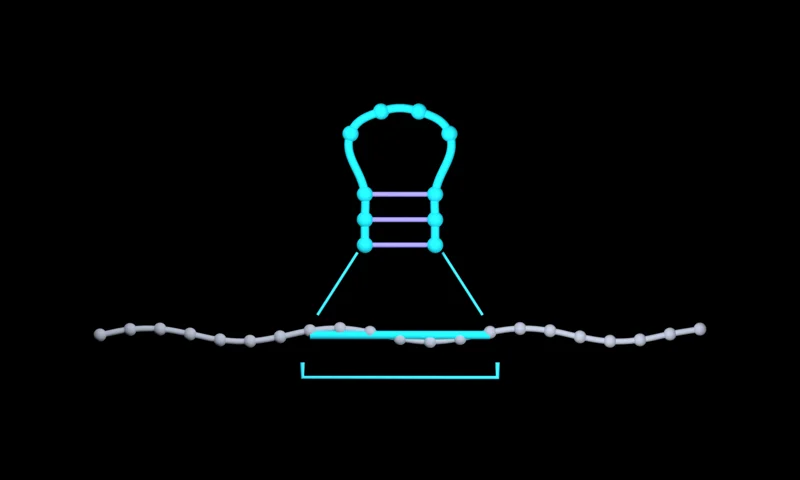
Identify locally stable RNA secondary structures within a selected window.
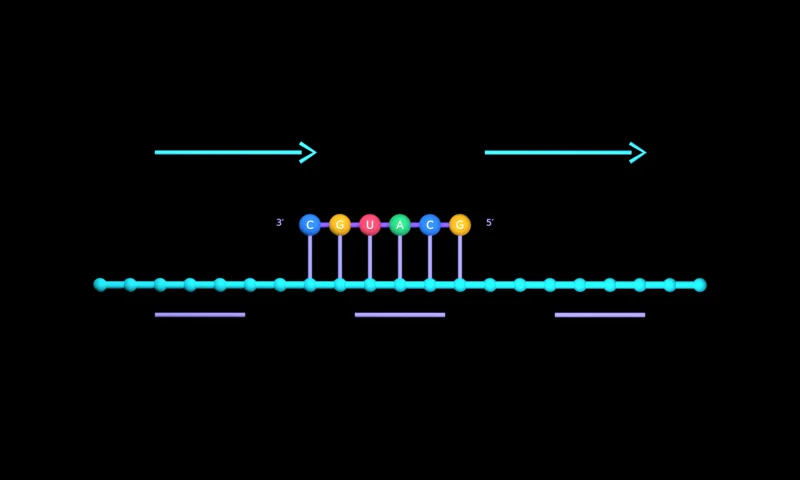
Scan for favorable RNA-RNA interaction sites and duplex energies.
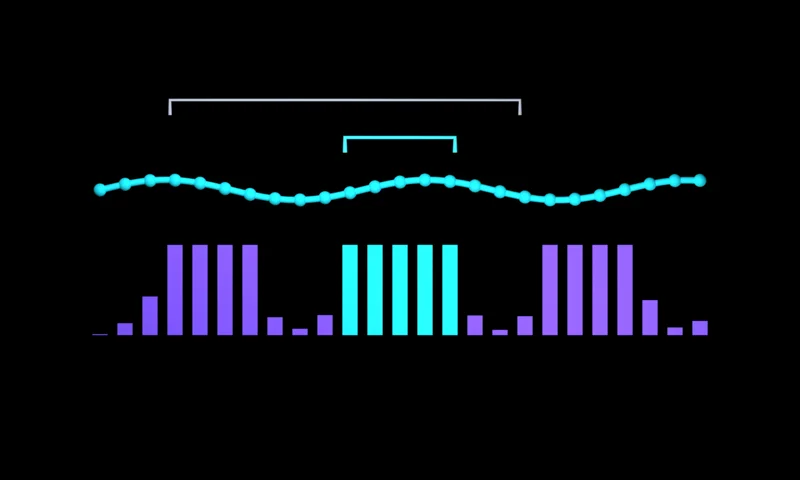
Estimate local RNA accessibility and base-pair probabilities along a sequence.
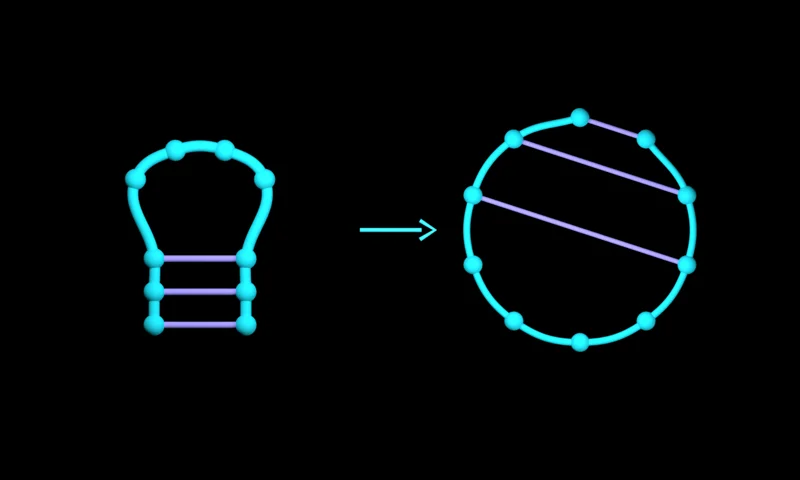
Draw a supplied RNA secondary structure as a radial, circular, or alternative layout.
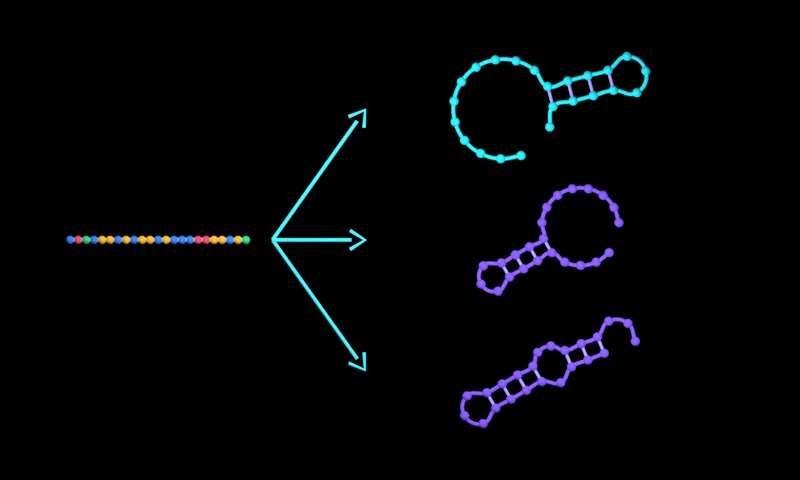
Enumerate RNA secondary structures near the minimum free energy.
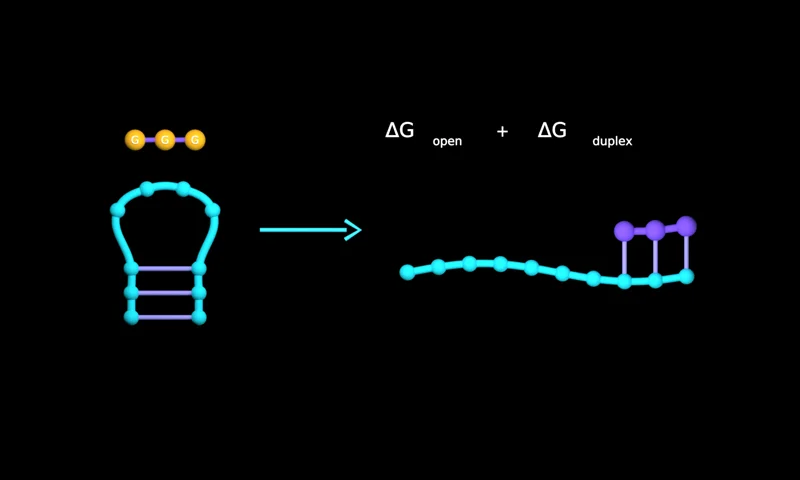
Calculate RNA-RNA interaction energies that include site accessibility.
No tools found matching your search. Try changing your filters or request the tool you are looking for.
Contact our support team and
we'll add it to our platform.