01
Define the structural problem
Prepare the target or scaffold, identify fixed residues and interaction sites, and establish the geometry the design must preserve.
Protein design
Generate backbones and sequences, design target-conditioned binders, evaluate mutations, and narrow candidate libraries in one computational workspace.
Trusted by researchers at leading biotech, pharmaceutical, academic, and materials organizations


From design brief to candidate library
Define the functional and structural constraints first, generate a diverse candidate set, and use orthogonal evidence to decide what deserves experimental testing.
Prepare the target or scaffold, identify fixed residues and interaction sites, and establish the geometry the design must preserve.
Create new backbones, target-conditioned binders, or sequences compatible with a known structure and protected functional residues.
Challenge fold compatibility, mutation effects, interface quality, and sequence diversity before selecting a practical library.
Designed around the research
Available now
Use generative models to explore, then apply independent structure, mutation, and interface checks to reduce model-specific bias.
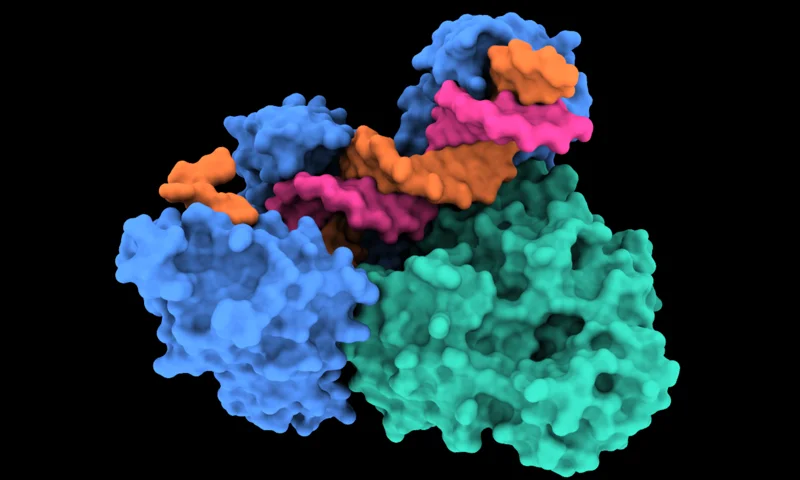
Generate all-atom protein and binder structures.
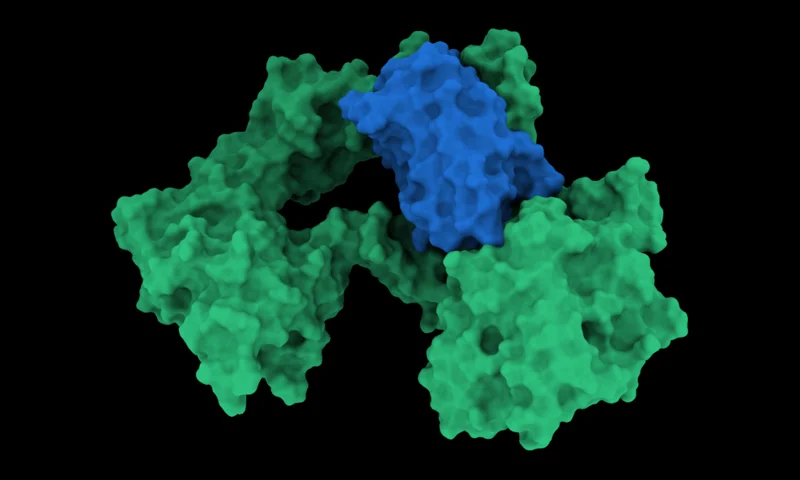
Design binders across several biomolecular modalities.
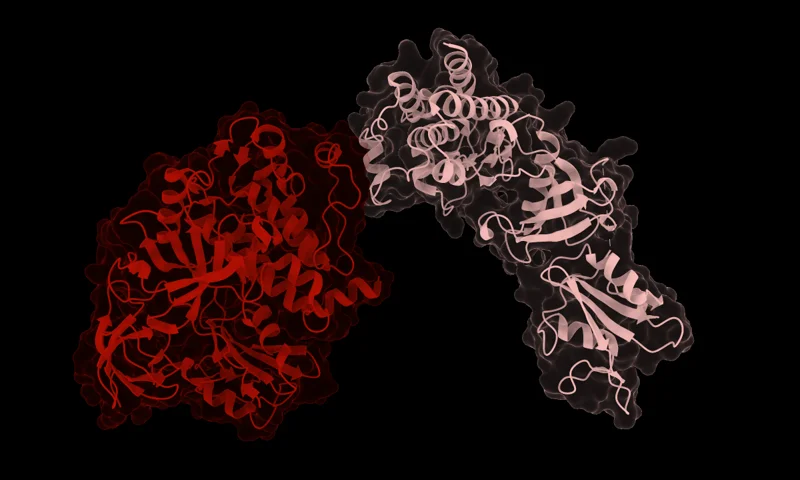
Design sequences around structures, ligands, and cofactors.
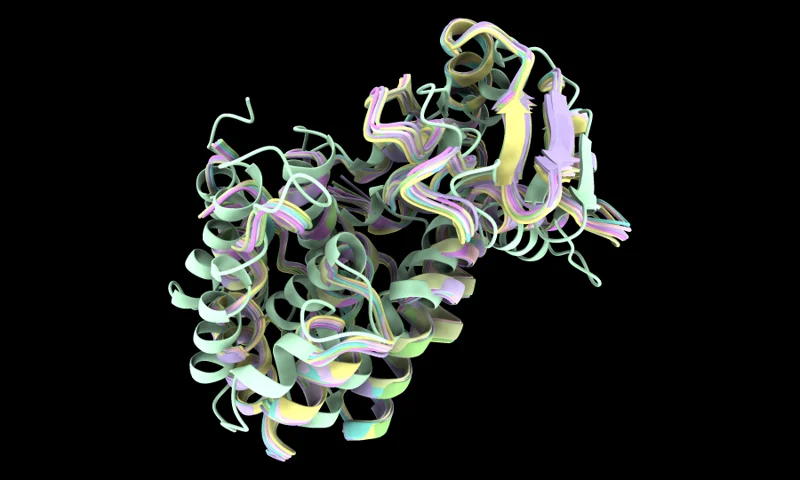
Estimate mutation effects and candidate stability.
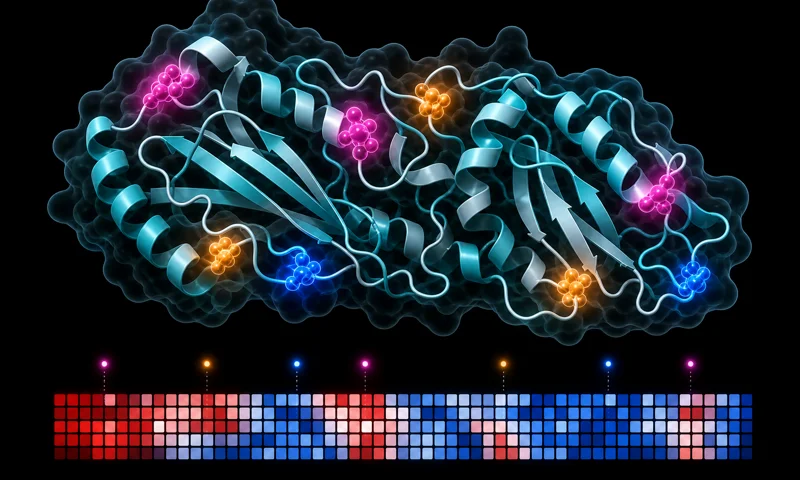
Rank substitutions using a protein language model.
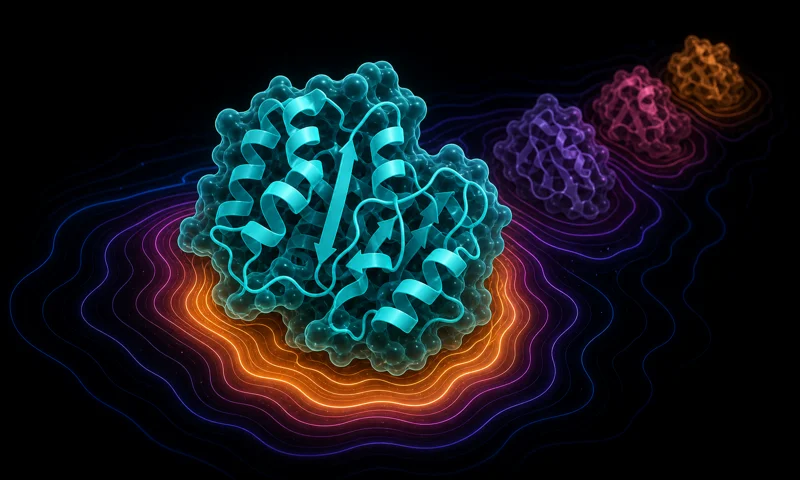
Evaluate structural plausibility with an energy-based model.
From the Neurosnap blog
Design guide
Review the all-atom design workflow, conditioning inputs, and evidence needed to evaluate generated candidates.
Read articleGeneration guide
Learn how target context, binder modality, sampling, and downstream filters shape a generative design campaign.
Read articleSecurity & privacy
Submitted data and generated results remain confidential, with ownership retained by your team.
Only you and authorized colleagues can access submitted data and results.
Your results and intellectual property remain yours. No royalties or equity.
Platform controls help protect sensitive computational research.
Onboarding and integration support help organizations scale confidently.
Design with constraints
Generate broadly, preserve the scientific constraints, and advance only candidates supported by complementary evidence.