01
Establish the protein and substrate context
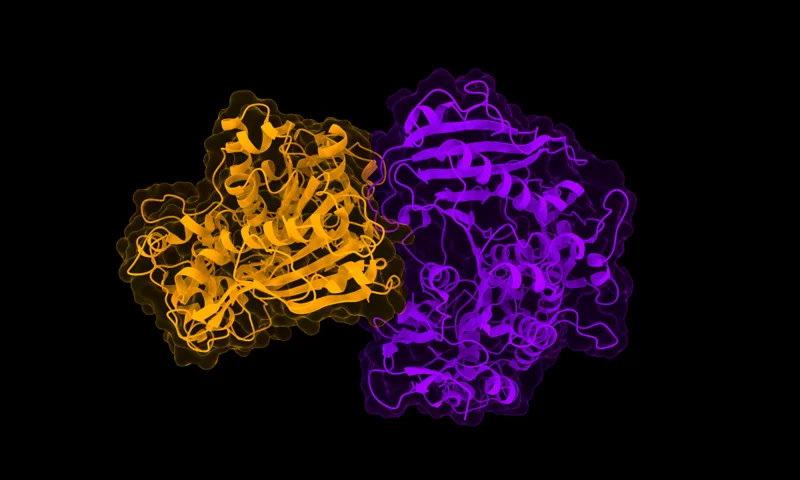
Model a protein's structure, inspect the region of interest, and compare enzyme-substrate kinetics hypotheses before choosing variants or conditions to test.
Agriculture & crop science
Investigate enzyme function, compare protein variants, and explore molecular interactions with hosted computational tools. Connect sequence and structure evidence to the assays your agricultural research team needs to plan next.
Trusted by researchers at leading biotech, pharmaceutical, academic, and materials organizations


From sequence to an assay-ready question
Start with a defined protein, substrate, or molecular interaction. Combine structural and property predictions to prioritize experimental comparisons for crop biochemistry, agricultural biotechnology, or enzyme research.
Model a protein's structure, inspect the region of interest, and compare enzyme-substrate kinetics hypotheses before choosing variants or conditions to test.
Score candidate substitutions and explore enzyme designs against explicit objectives. Keep catalytic context and the reference sequence connected to each proposed change.
Explore the placement of defined small molecules around a prepared protein target. Inspect pose families and molecular geometry to identify interactions worth testing in an assay.
Designed around the research
Explore by research task
Agricultural biochemistry
Connect sequence variation, kinetics, and operating-condition hypotheses.
Explore workflowStructural context
Choose a model for your protein and inspect confidence before downstream analysis.
Explore workflowMolecular interactions
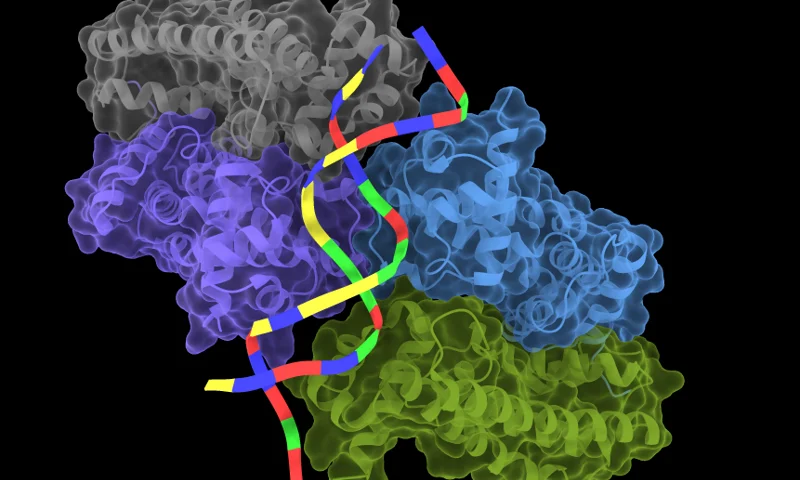
Prepare a defined target and compare molecular binding hypotheses.
Explore workflowAvailable now
Choose methods around a specific molecular question and retain the evidence needed for experimental follow-up. Crop performance and environmental behavior require their own studies beyond these molecular calculations.
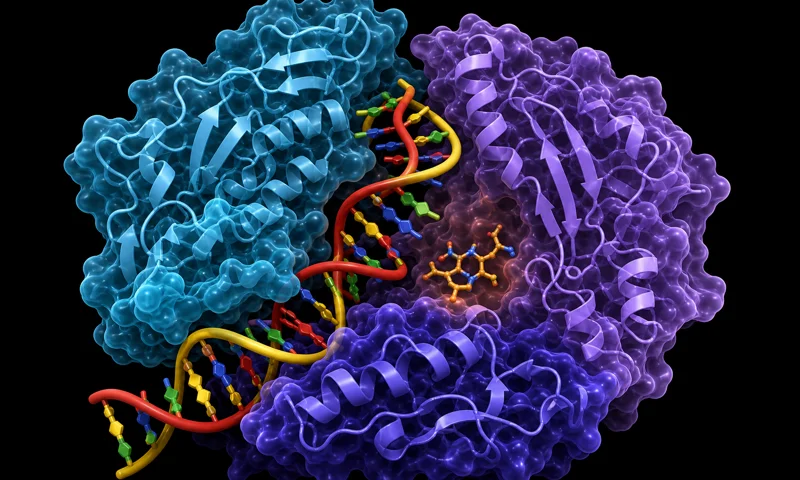
Predict structures for proteins and supported complexes.
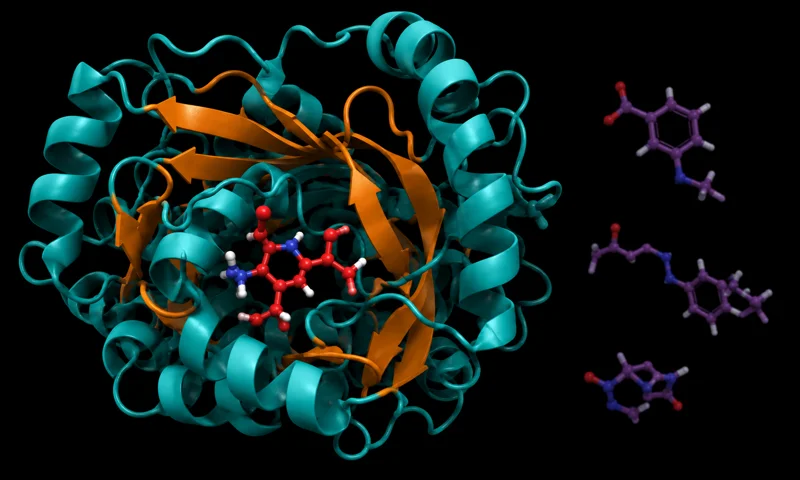
Compare enzyme-substrate kinetics predictions.
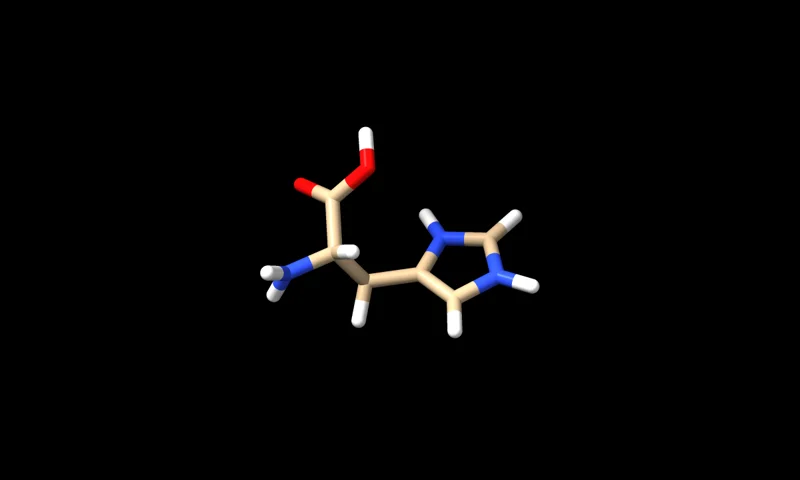
Estimate enzyme optimal operating pH.
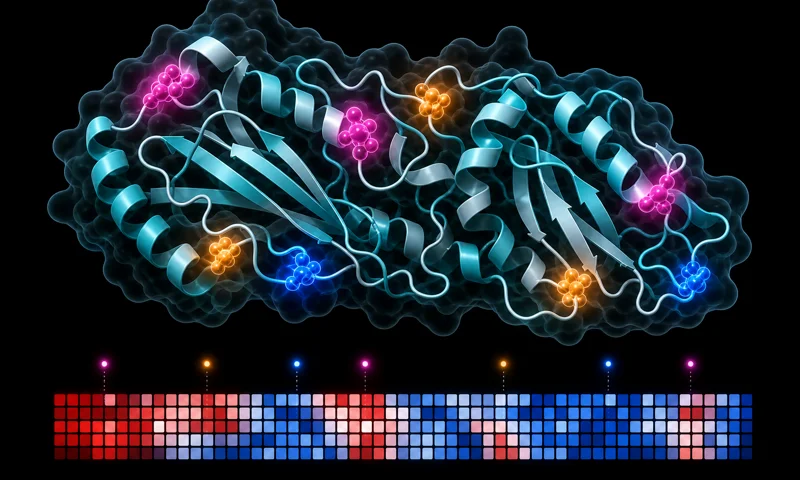
Score sequence variants with a protein language model.
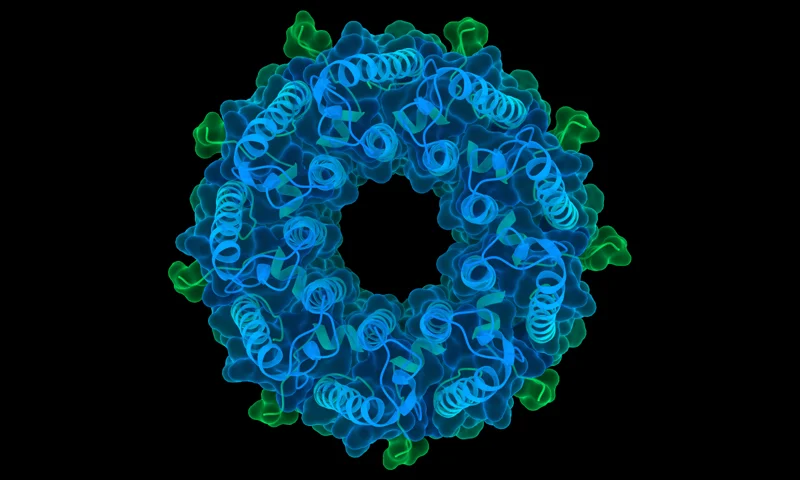
Estimate mutation effects on protein thermostability.
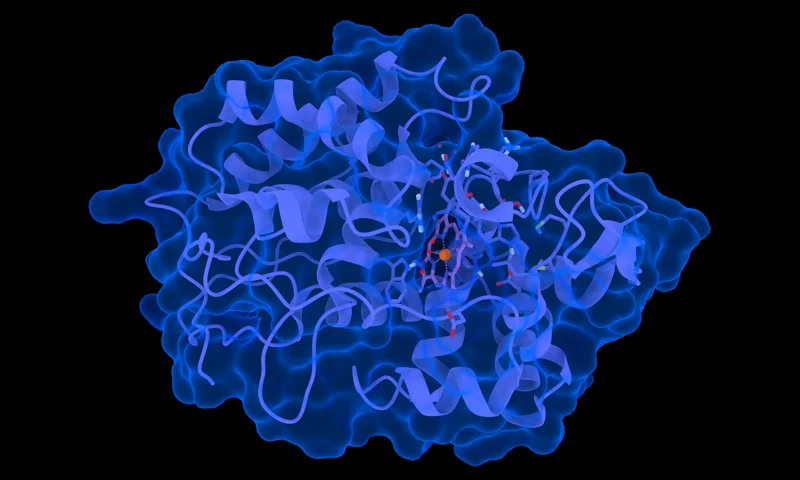
Investigate candidate protein-ligand binding modes.
From the Neurosnap blog
Molecular docking
Understand pose generation and the structural checks needed before interpreting a prediction.
Read articleSimulation planning
Assess the scope and cost of a molecular simulation follow-up.
Read articleSecurity & privacy
Submitted data and generated results remain confidential, with ownership retained by your team.
Only you and authorized colleagues can access submitted data and results.
Your results and intellectual property remain yours. No royalties or equity.
Platform controls help protect sensitive computational research.
Onboarding and integration support help organizations scale confidently.
From molecular evidence to experiment
Start with a protein, enzyme, or molecular interaction and connect the tools needed to plan your next experiment.