01
Model peptide structure
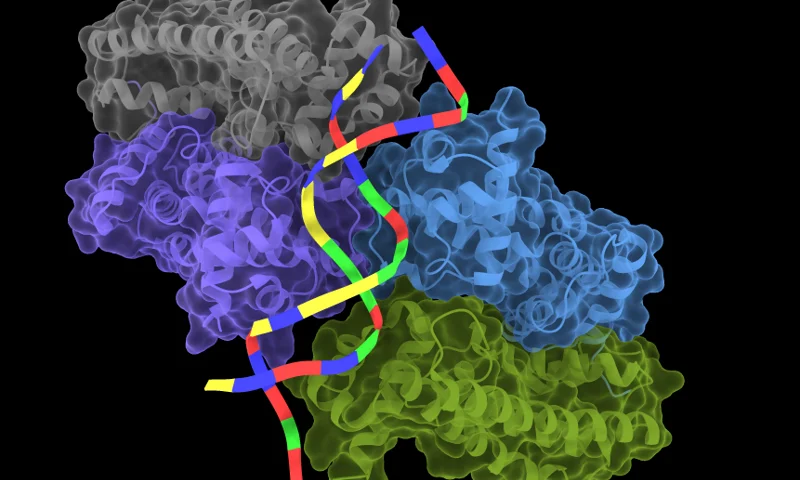
Predict peptide conformations and protein-peptide complexes with methods suited to linear, cyclic, or target-bound states.
Peptide discovery
Model linear and cyclic peptides, generate target-conditioned binders, inspect protein-peptide complexes, and screen candidate quality at scale.
Trusted by researchers at leading biotech, pharmaceutical, academic, and materials organizations


From peptide idea to binding hypothesis
Treat each designed peptide as a hypothesis. Use cyclic-aware modeling, target-conditioned generation, docking, and downstream filters to select a bounded experimental set.
Predict peptide conformations and protein-peptide complexes with methods suited to linear, cyclic, or target-bound states.
Design linear or cyclic peptide candidates around a target surface, known pocket, motif, or starting scaffold.
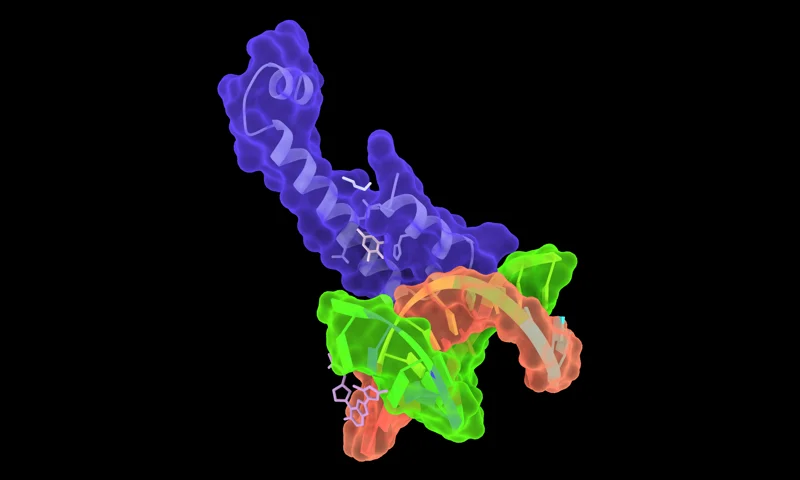
Inspect proposed binding modes, compare interface evidence, and flag toxicity or instability before synthesis.
Designed around the research
Available now
Use peptide-aware models where possible and validate designed interfaces with orthogonal structural and property evidence.
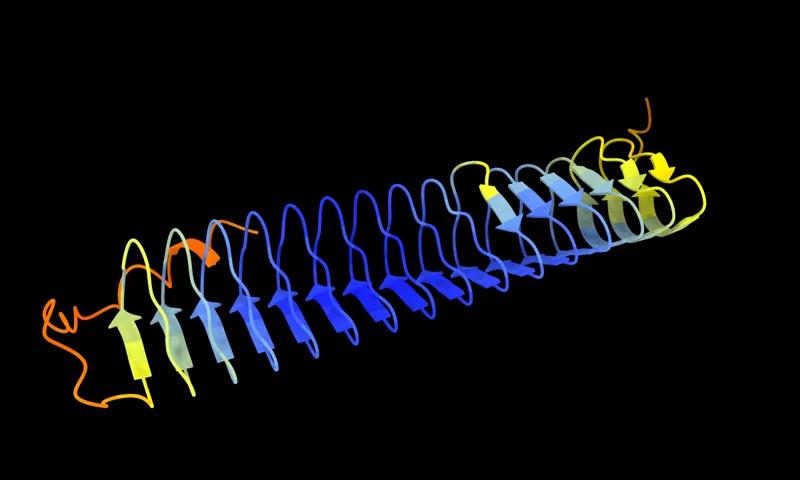
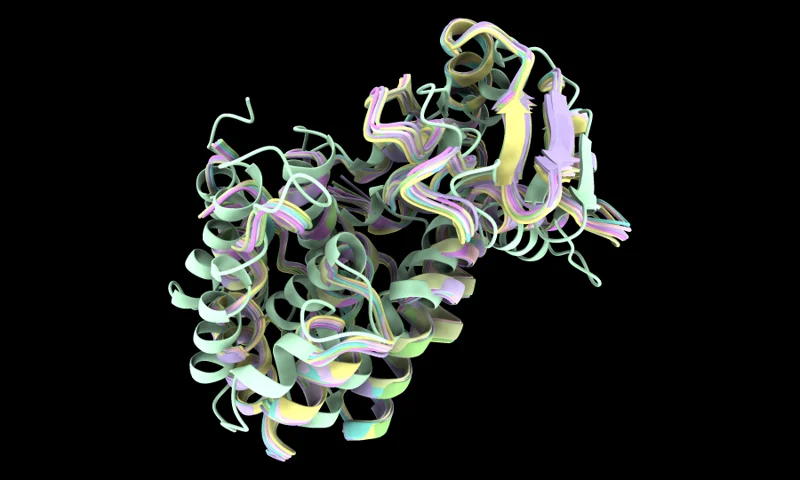
Predict and design macrocyclic peptide structures.
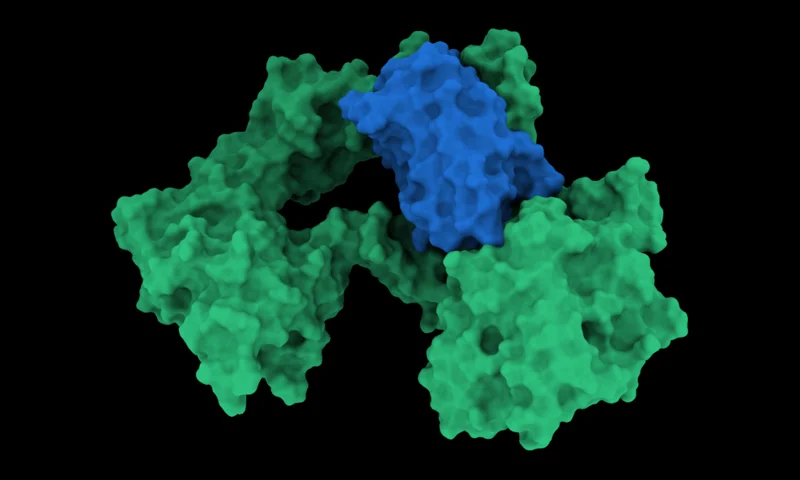
Generate target-conditioned peptide binders.
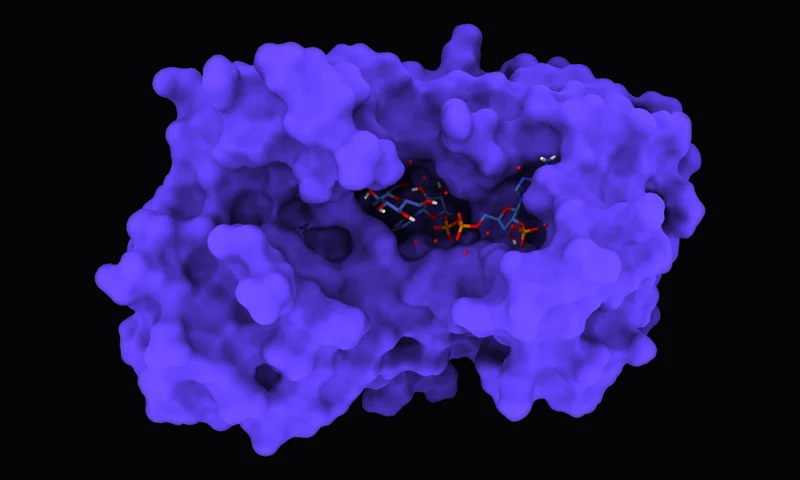
Design peptides directly within a receptor pocket.
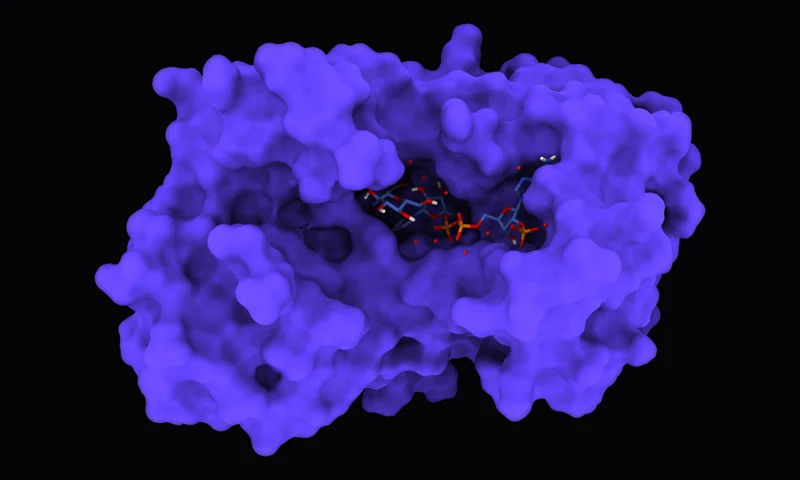
Dock peptide structures or sequences into a defined pocket.
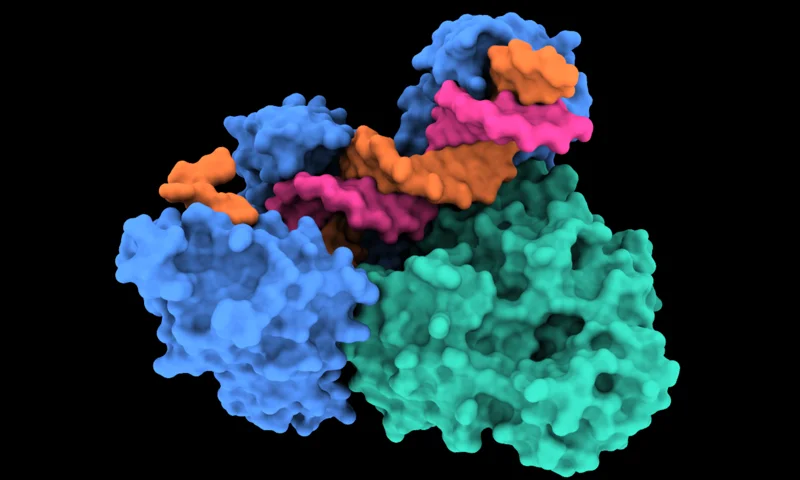
Design all-atom peptide and protein binders.
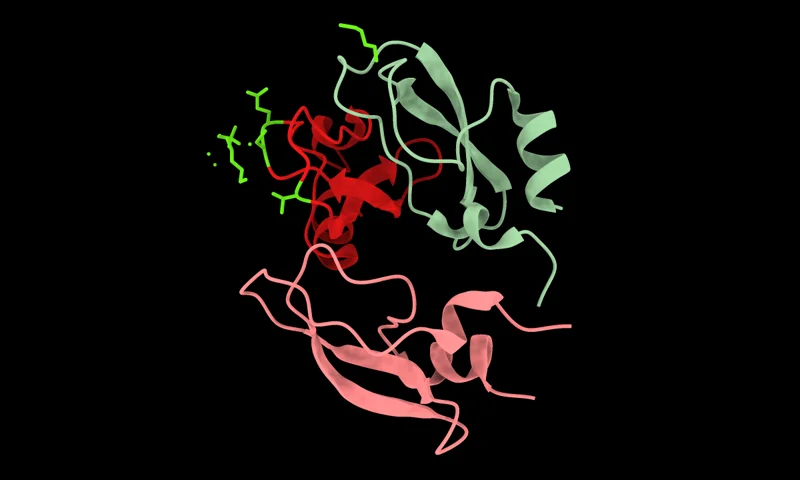
Screen peptide candidates for predicted toxicity.
From the Neurosnap blog
Design tutorial
Follow the generation, sequence design, structure validation, and metric interpretation workflow for cyclic binders.
Read articleMethod guide
Learn how cyclic positional encoding supports template-guided and de novo macrocycle design.
Read articleSecurity & privacy
Submitted data and generated results remain confidential, with ownership retained by your team.
Only you and authorized colleagues can access submitted data and results.
Your results and intellectual property remain yours. No royalties or equity.
Platform controls help protect sensitive computational research.
Onboarding and integration support help organizations scale confidently.
Design the experiment
Connect generation, structure, docking, and peptide-specific filters before committing to synthesis.