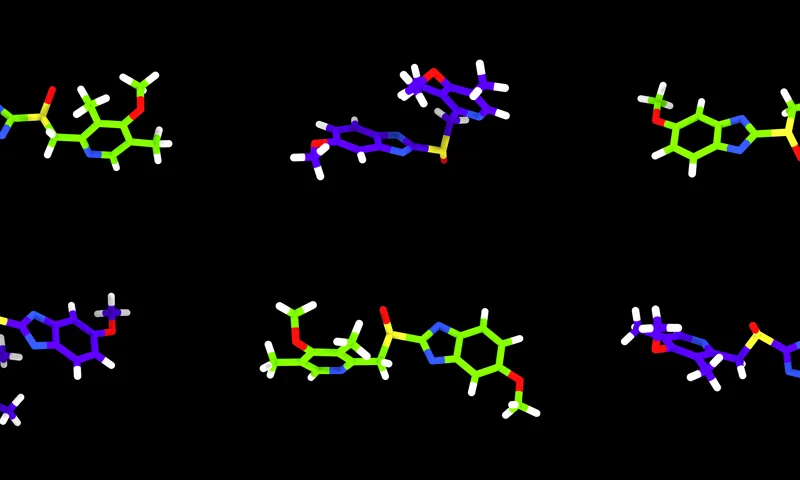
Characterize individual ingredients
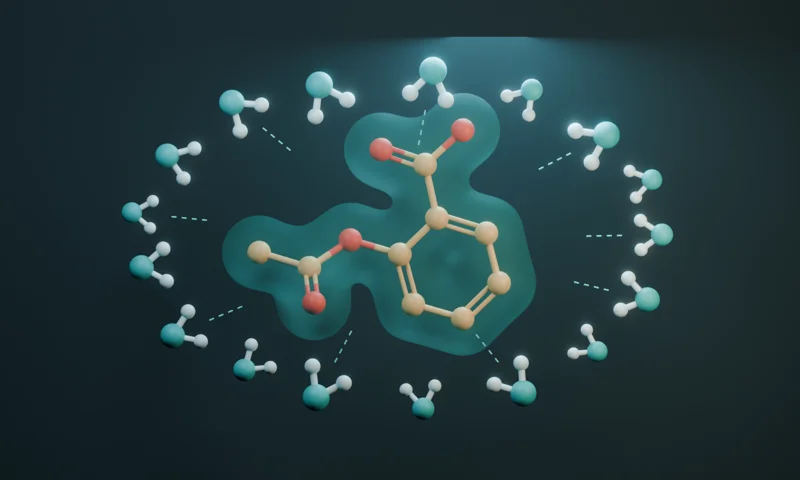
Screen suitable neutral organic ingredients for aqueous solubility and identify ionizable sites. Separate intrinsic molecular properties from the behavior of salts, dispersions, and finished products.
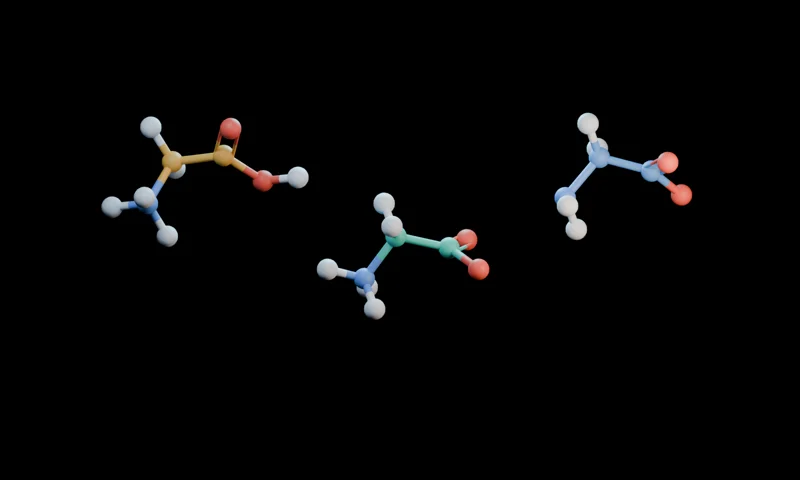
Personal care & cosmetics
Investigate molecular properties, compare ionization hypotheses, and explore defined mixture behavior in one computational workspace. Turn ingredient questions into focused formulation experiments.
Trusted by researchers at leading biotech, pharmaceutical, academic, and materials organizations
From ingredient identity to test conditions
Begin with defined molecular ingredients and the conditions you want to compare. Use solubility, ionization, and thermodynamic models where their assumptions fit, then carry the results into bench measurements.
Screen suitable neutral organic ingredients for aqueous solubility and identify ionizable sites. Separate intrinsic molecular properties from the behavior of salts, dispersions, and finished products.
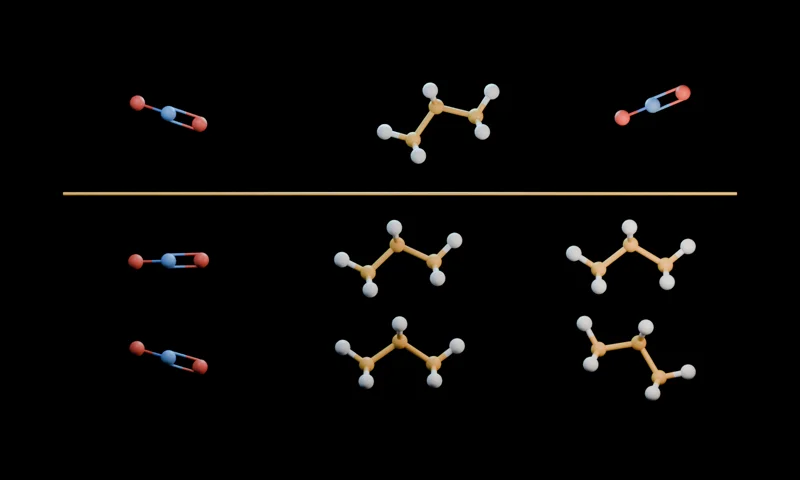
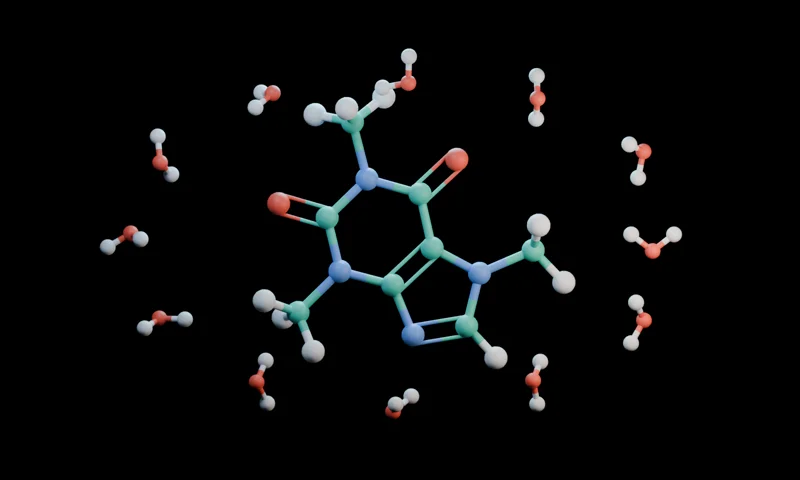
Compare supported mixing and phase-equilibrium calculations at explicit composition, temperature, and pressure. Supply appropriate component and interaction parameters for the chosen model.
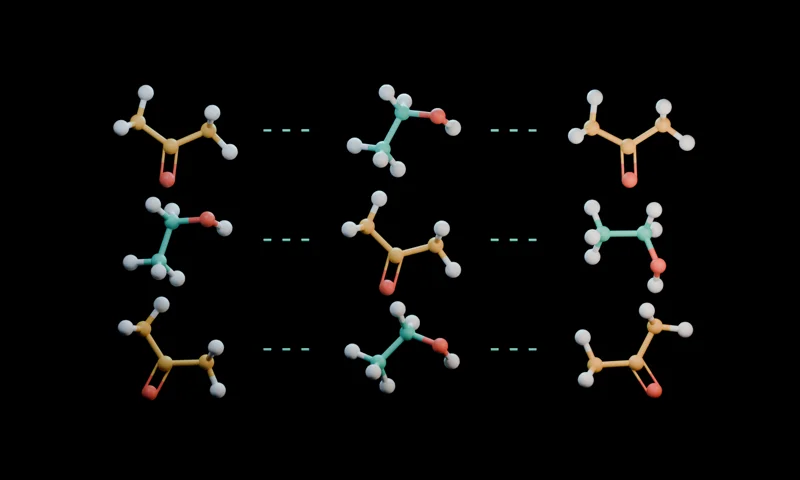
Explore conformers and fixed-conformer solvent effects when you need a closer look at a molecular ingredient. Use consistent geometries and settings when comparing candidate environments.
Designed around the research
Explore by research task
Formulation research
Map a solubility, ionization, or mixture question to an appropriate calculation.
Explore workflowProtein-based ingredients
Investigate enzyme properties and operating conditions for enzyme-based ingredient research.
Explore workflowPractical setup
Review input requirements and interpretation for focused formulation models.
Explore workflowAvailable now
These models address specific molecular and mixture questions. Use the outputs to prioritize stability, compatibility, and performance measurements; they do not establish finished-product safety or regulatory compliance.
Estimate aqueous solubility for suitable neutral organic ingredients.
Predict acidic and basic sites in a molecular ingredient.
Enumerate candidate protonation states over a pH range.
Investigate mixture thermodynamics from supplied parameters.
Explore phase equilibrium for supported fluid mixtures.
Compare molecular conformations before further calculations.
From the Neurosnap blog
Formulation methods
Distinguish solubility, ionization, mixture behavior, and molecular thermodynamics calculations.
Read articleSimulation planning
Understand how system size and simulation scope affect a molecular follow-up study.
Read articleSecurity & privacy
Submitted data and generated results remain confidential, with ownership retained by your team.
Only you and authorized colleagues can access submitted data and results.
Your results and intellectual property remain yours. No royalties or equity.
Platform controls help protect sensitive computational research.
Onboarding and integration support help organizations scale confidently.
Plan the next formulation trial
Compare molecular properties and supported mixture behavior while keeping assumptions, settings, and results together.