01
Characterize a candidate enzyme or protein
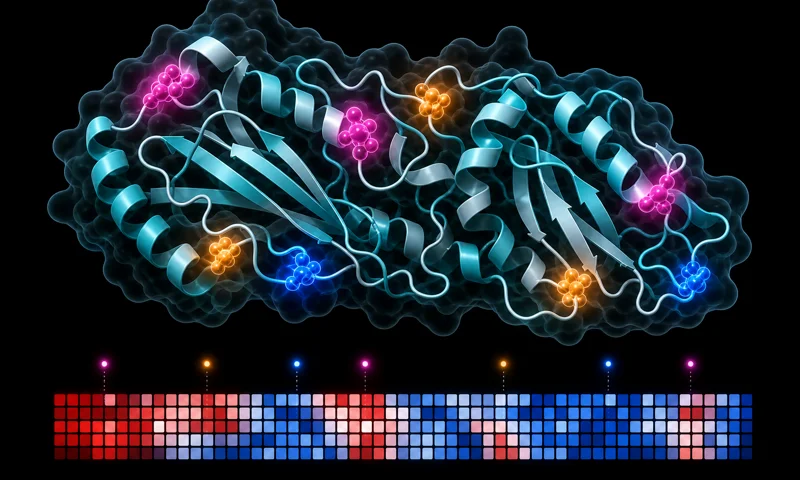
Establish structural context and compare predicted kinetics, optimal pH, and thermostability against the conditions you intend to test.
Food & nutrition
Connect enzyme performance, protein properties, and ingredient formulation with focused computational methods. Use molecular evidence to choose better experiments for food and nutrition research.
Trusted by researchers at leading biotech, pharmaceutical, academic, and materials organizations


From ingredient question to test plan
Start with a measurable objective, such as enzyme performance under a target pH, protein stability, or the solubility of a defined ingredient. Choose a molecular model that represents that question.
Establish structural context and compare predicted kinetics, optimal pH, and thermostability against the conditions you intend to test.
For enzyme development, define properties to improve and positions to preserve. Compare sequence variants with structural and stability evidence before selecting a library to express and assay.
Screen neutral organic ingredients for aqueous solubility or study a parameterized mixture. Use these focused calculations to plan measurements, rather than to infer the behavior of an entire food matrix.
Designed around the research
Explore by research task
Biocatalysis
Design variant panels around kinetics, stability, and operating conditions.
Explore workflowProtein characterization
Compare solubility, stability, and other candidate property signals.
Explore workflowIngredient research
Match solubility, ionization, and mixture models to a specific experiment.
Explore workflowAvailable now
Review model scope for each ingredient and system. These calculations do not establish food safety, allergenicity, sensory performance, or regulatory suitability.
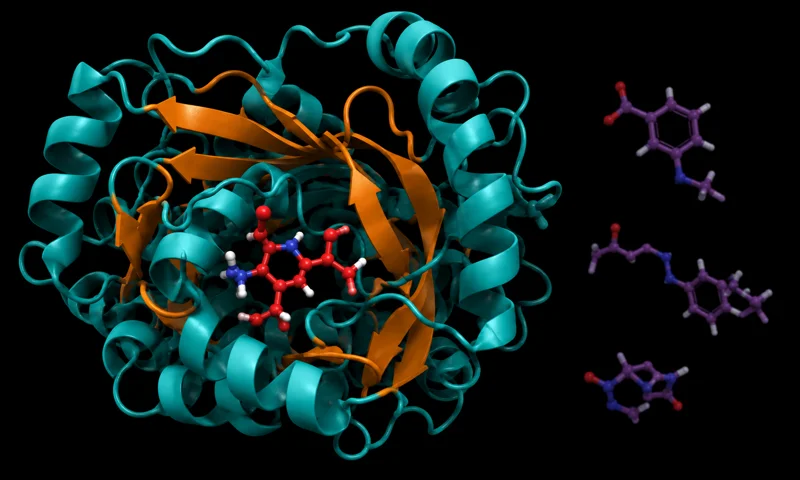
Compare predicted enzyme-substrate kinetics ranges.
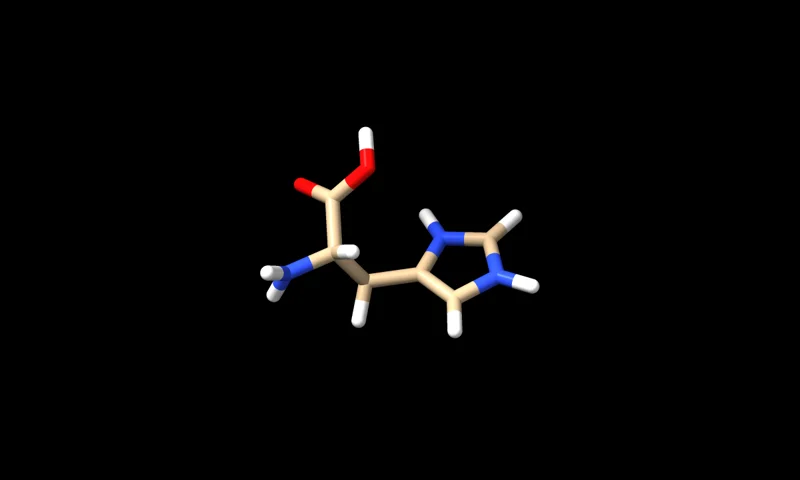
Estimate an enzyme's optimal operating pH.
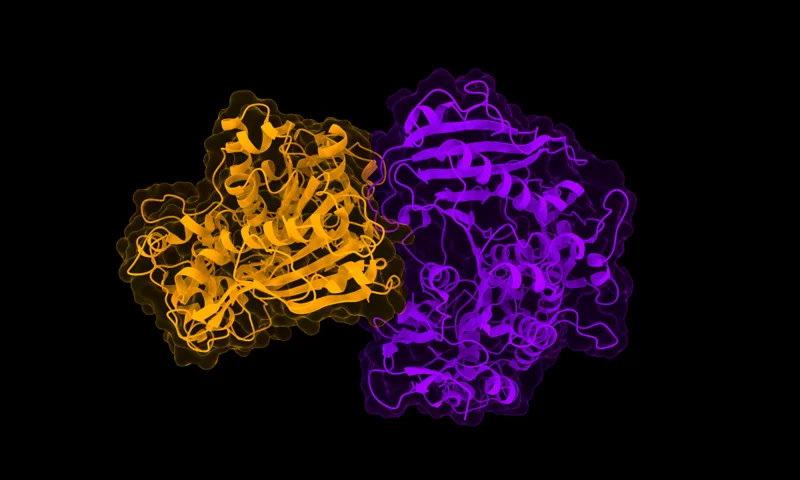
Explore enzyme variants against defined property objectives.
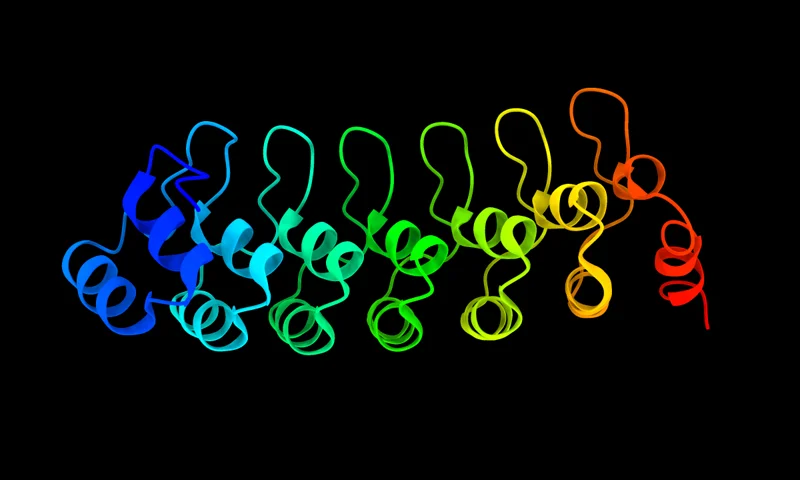
Screen sequence-based thermostability signals.
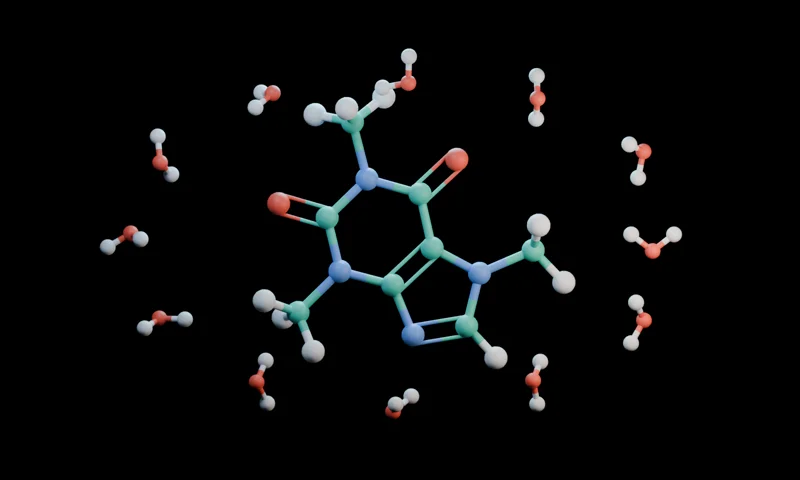
Estimate aqueous solubility for suitable neutral organic molecules.
Calculate mixture properties using supplied interaction parameters.
From the Neurosnap blog
Formulation methods
Explore the individual questions that solubility, ionization, and mixture calculations can address.
Read articleSimulation planning
Understand how system size and simulation setup affect a follow-up calculation.
Read articleSecurity & privacy
Submitted data and generated results remain confidential, with ownership retained by your team.
Only you and authorized colleagues can access submitted data and results.
Your results and intellectual property remain yours. No royalties or equity.
Platform controls help protect sensitive computational research.
Onboarding and integration support help organizations scale confidently.
Make the next experiment count
Investigate a focused enzyme, protein, or formulation question with tools your team can run and review together.