01
Establish the molecular context
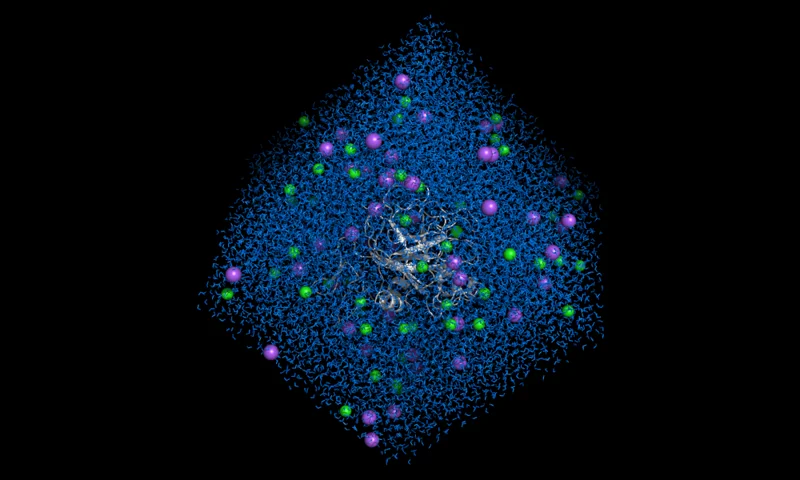
Prepare target structures and model the interactions your program needs to investigate before launching a design or screening campaign.
Biotech & pharmaceuticals
Design biologics, investigate small-molecule candidates, and compare structural and property evidence in one private research workspace. Keep the computational handoffs connected as your program moves toward experimental testing.
Trusted by researchers at leading biotech, pharmaceutical, academic, and materials organizations


From target to experimental shortlist
Choose the branch that fits your program—biologics or small molecules—and connect design with independent characterization. Preserve inputs, settings, and job IDs as candidates move between methods.
Prepare target structures and model the interactions your program needs to investigate before launching a design or screening campaign.
Generate and refine protein binders for biologics programs, or investigate compound binding modes for small-molecule discovery. Select workflows around your target and assay strategy.
Review protein stability, compound property risks, and molecular motion alongside the original design hypothesis. Advance a traceable set of candidates into assays.
Designed around the research
Explore by research task
Biologics
Connect antigen preparation, design, affinity, and developability review.
Explore workflowSmall molecules
Move from a prepared target and library to a documented compound shortlist.
Explore workflowCharacterization
Investigate stability, solubility, and sequence liabilities before experimental follow-up.
Explore workflowAvailable now
Use the methods relevant to your modality and biological question. Computational rankings support research decisions; they do not establish efficacy or clinical safety.
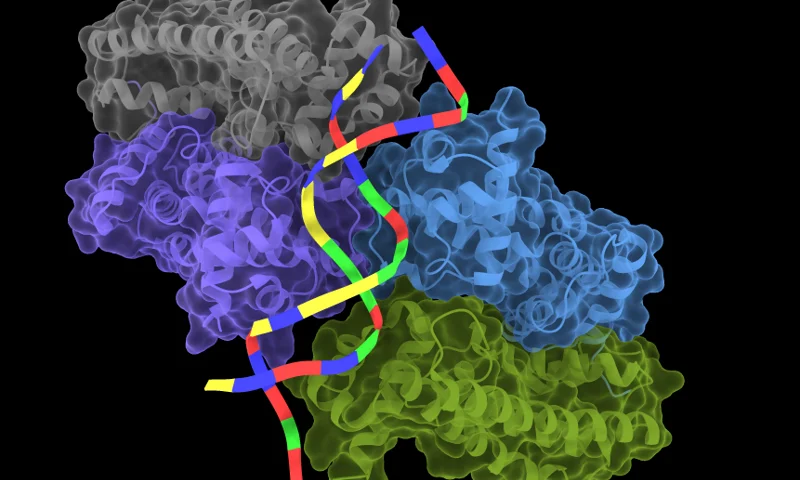
Predict biomolecular structures and review confidence.
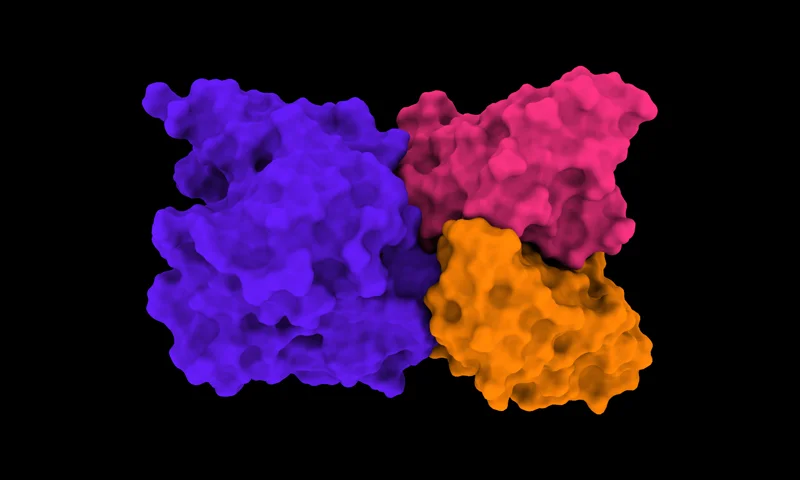
Design and mature target-conditioned binders.
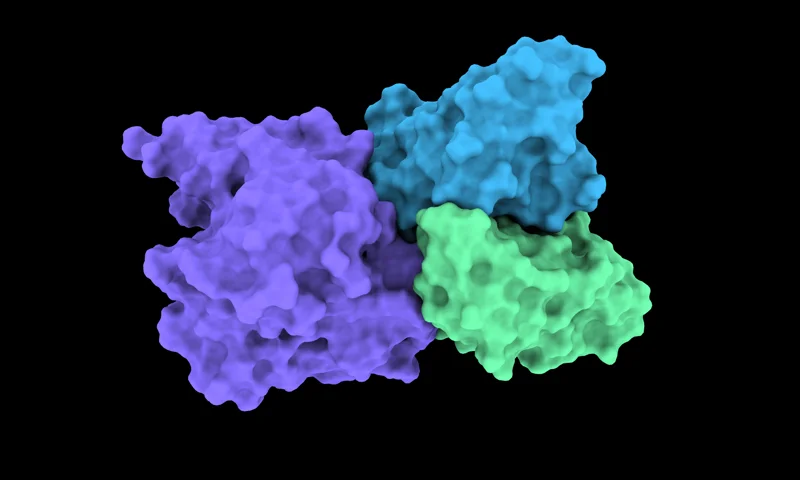
Generate antibody candidates around an antigen.
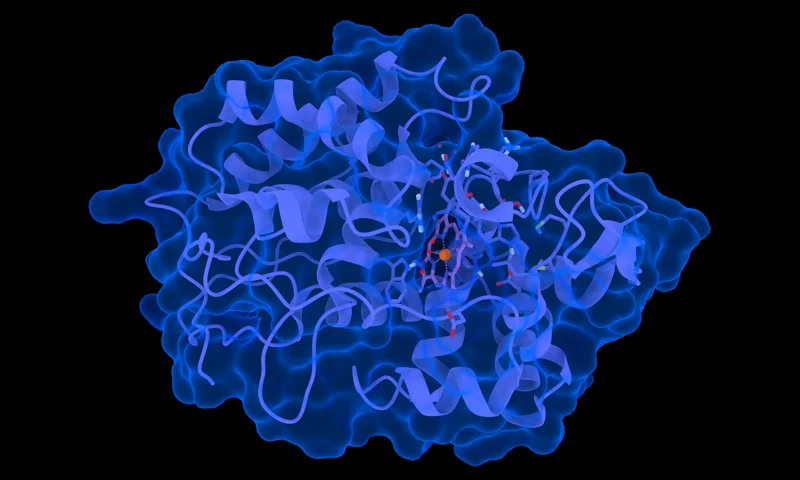
Compare predicted ligand binding modes.
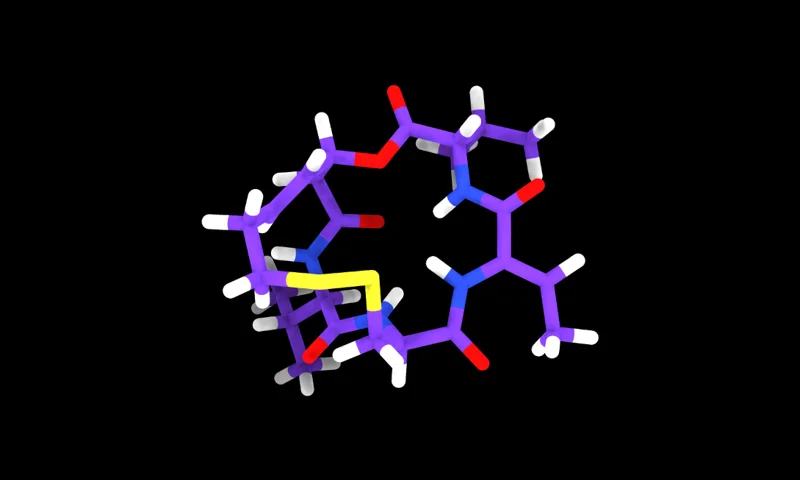
Review multiple predicted ADMET endpoints.
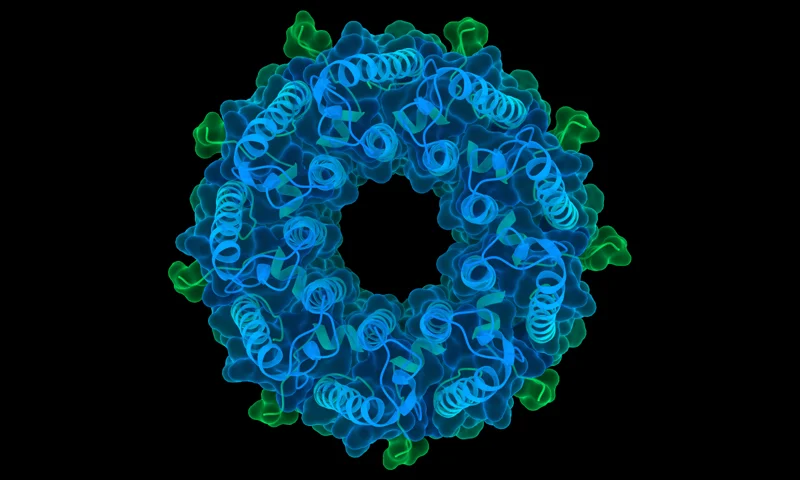
Score mutation effects on protein stability.
From the Neurosnap blog
Security & privacy
Submitted data and generated results remain confidential, with ownership retained by your team.
Only you and authorized colleagues can access submitted data and results.
Your results and intellectual property remain yours. No royalties or equity.
Platform controls help protect sensitive computational research.
Onboarding and integration support help organizations scale confidently.
Keep discovery connected
Start with one research question, connect the methods it requires, and share the evidence with your team.