01
Prepare sequencing inputs
Validate and convert paired-end FASTQ layouts so downstream transcript workflows receive the expected data organization.
Multi-omics
Prepare RNA-seq data, quantify transcripts, compare conditions, and investigate genomic variation without maintaining a fragmented analysis stack.
Trusted by researchers at leading biotech, pharmaceutical, academic, and materials organizations


From reads to hypotheses
Use explicit inputs and reproducible settings at each stage, then carry results into downstream biological interpretation.
Validate and convert paired-end FASTQ layouts so downstream transcript workflows receive the expected data organization.
Assemble or quantify transcripts, then identify condition-associated expression changes with transparent thresholds.
Investigate how variants may affect splicing and connect high-dimensional results to focused biological questions.
Designed around the research
Available now
Build a traceable path from raw files to interpretable results while keeping experimental design and statistical assumptions visible.
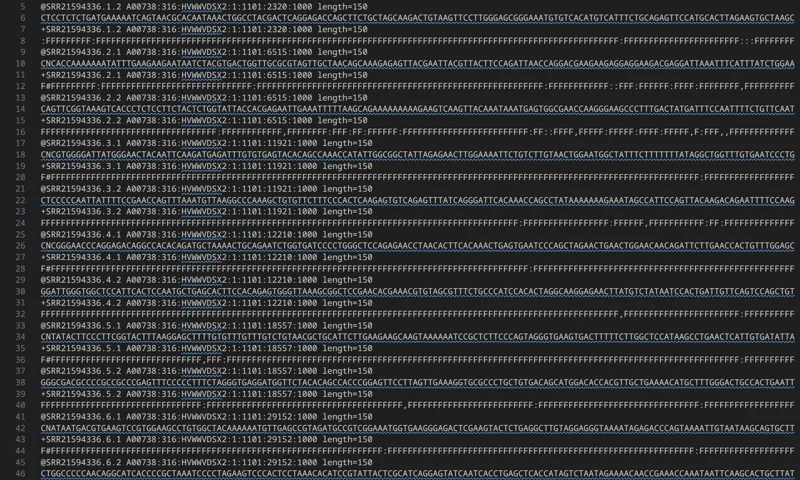
Prepare paired reads for transcript workflows.
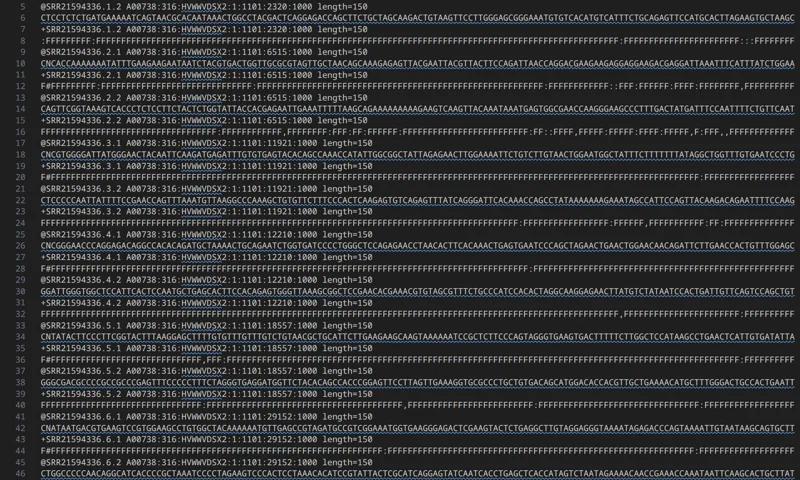
Recover and validate paired FASTQ files.

Perform transcript quantification from sequencing reads.

Compare expression across two experimental conditions.

Estimate variant effects on splice-site strength.
From the Neurosnap blog
Analysis guide
Understand how PCA, t-SNE, and UMAP help scientists explore high-dimensional biological datasets.
Read articleGenomics guide
An introduction to sequence comparison, high-throughput sequencing, and biological interpretation across species.
Read articleSecurity & privacy
Submitted data and generated results remain confidential, with ownership retained by your team.
Only you and authorized colleagues can access submitted data and results.
Your results and intellectual property remain yours. No royalties or equity.
Platform controls help protect sensitive computational research.
Onboarding and integration support help organizations scale confidently.
Connect the evidence
Run focused analyses in one workspace and preserve the context needed to interpret every result.